1 hr 30 min
Oahu Humpback Whale Watching Adventure
- Entry ticket
- Mobile voucher
- Valid same day
- Free cancellation
Oahu Whale Watching Cruise — Humpback Season Sailings
December through April, witness breaching giants off Waikiki's coast
Compare fares, pick the fit — all bookings are mobile-voucher and eligible for free cancellation where shown.
1 hr 30 min
2 hr
2 hr
Worth it during humpback season only
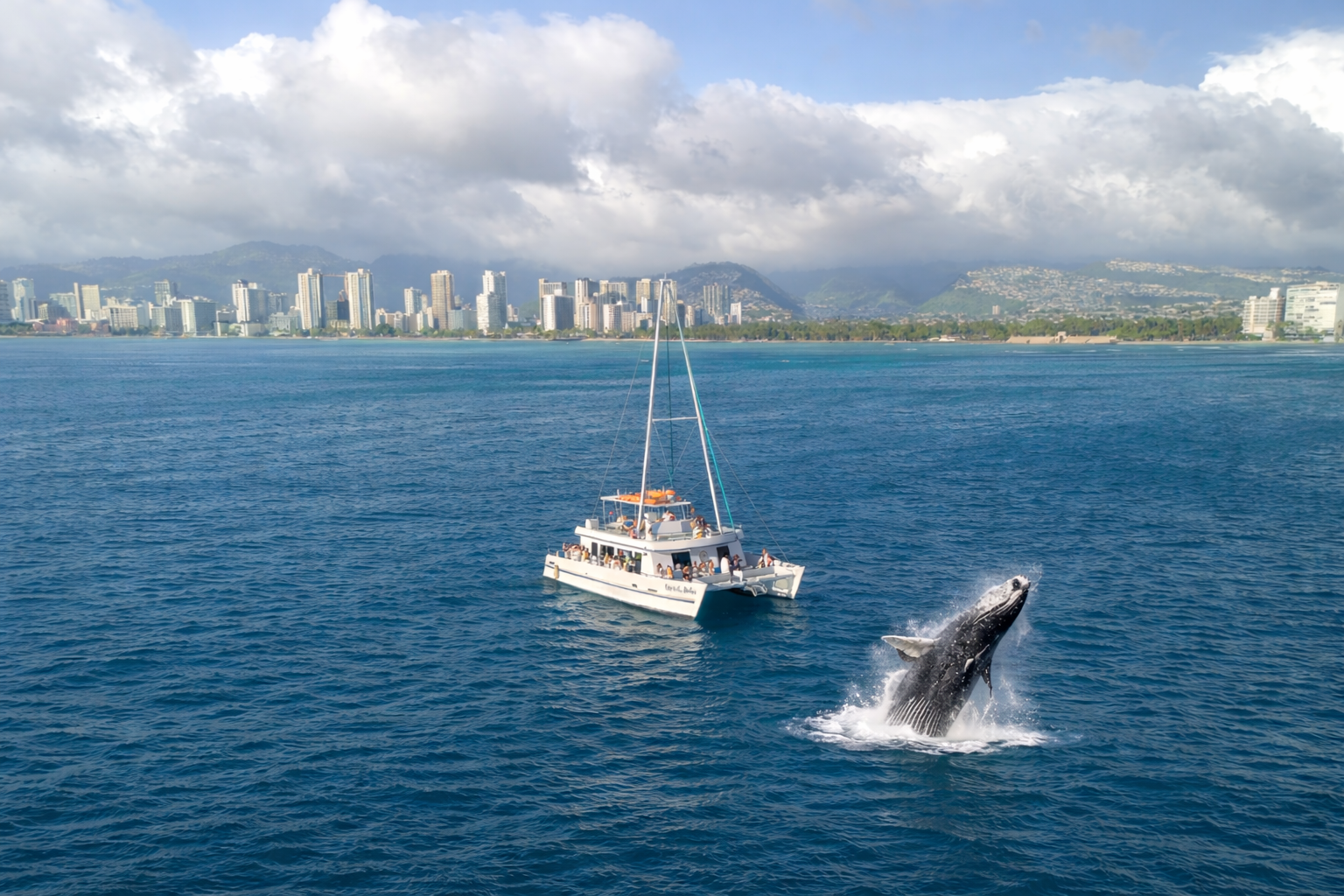
An oahu whale watching cruise delivers solid value between December and April when North Pacific humpback whales migrate to Hawaiian waters for calving. During peak season (January through March), sighting rates exceed 90% on most departures, particularly on morning tours when seas are calmer and visibility is clearest. The difference between luxury catamarans and smaller rafts comes down to comfort versus proximity—larger vessels offer stable platforms and onboard naturalists who interpret breach behavior and pod dynamics, while rigid-hull inflatables get closer to the action but sacrifice amenities. Educational commentary from marine biologists adds genuine depth, transforming sightings from spectacle into understanding of migratory patterns and conservation challenges. Outside whale season, these same oahu whale watching cruise tours pivot to dolphin encounters and snorkeling, but the core value proposition disappears. Book morning departures from Waikiki Beach or Kewalo Basin Harbor during peak migration months for the highest probability of extended surface activity.
Bottom line: Book oahu whale watching cruise tickets between January and March for near-guaranteed humpback encounters, but skip entirely outside migration season when the experience lacks its defining feature.
They complement each other; most visitors who do both find the seasonal whale watching cruise to be the more awe-inspiring, while snorkeling offers a more personal, hands-on connection to marine life.
|
Top pick Oahu Whale Watching Cruise |
Oahu Snorkeling Tour | |
|---|---|---|
| Primary focus | Humpback whale spotting | Reef and sea turtle encounters |
| Seasonality | Winter (Dec–Apr) only | Year-round availability |
| Typical duration | 1.5–2 hours | 2–3 hours |
| Average price | 40–150 USD | 70–200 USD |
| Intensity | Relaxed viewing | Active, hands-on swimming |
| Best arrival window | 07:00–10:00 | 07:00–10:00 |
| Who it suits | Photographers and couples | Families and swimmers |
| Water interaction | Dry deck experience | In-water snorkeling |
| See tickets & prices |
Verdict: Choose an oahu whale watching cruise tour for unique winter wildlife sightings, or opt for a snorkeling tour if you prefer an active reef adventure; many travelers book oahu whale watching cruise tickets for their bucket-list potential while relying on oahu whale watching cruise tours for reliable coastal scenery.
Hand-picked experiences loved by thousands of travelers
2 hours
Free Cancellation
Set sail from Waikiki to observe magnificent humpback whales breaching and playing in Hawaiian waters
2.5 hours
Free Cancellation
Observe majestic humpback whales in their natural breeding grounds aboard a modern vessel with expert commentary
2 hours
Free Cancellation
Two-hour guided ocean adventure with underwater viewing and whale sighting guarantee on Oahu
2 hours
Free Cancellation
Two-hour ocean voyage to observe humpback whales breaching and playing in Hawaiian waters
2 hours
Free Cancellation
Set sail on Hawaii's largest vessel to observe majestic humpback whales while enjoying coffee and pastries
2 hours
Free Cancellation
Set sail on a comfortable trimaran to observe humpback whales breaching and tail slapping in Hawaiian waters.
2 hours
Free Cancellation
Spot migrating humpback whales aboard a sailing yacht or power catamaran with drinks and snacks included
2.5 hours
Free Cancellation
Intimate marine safari seeking humpback whales along Waianae's pristine coastline with expert guides
Check in at the designated pier
Crew provides marine safety instructions
Vessel navigates to active whale areas
Return transit to the harbor
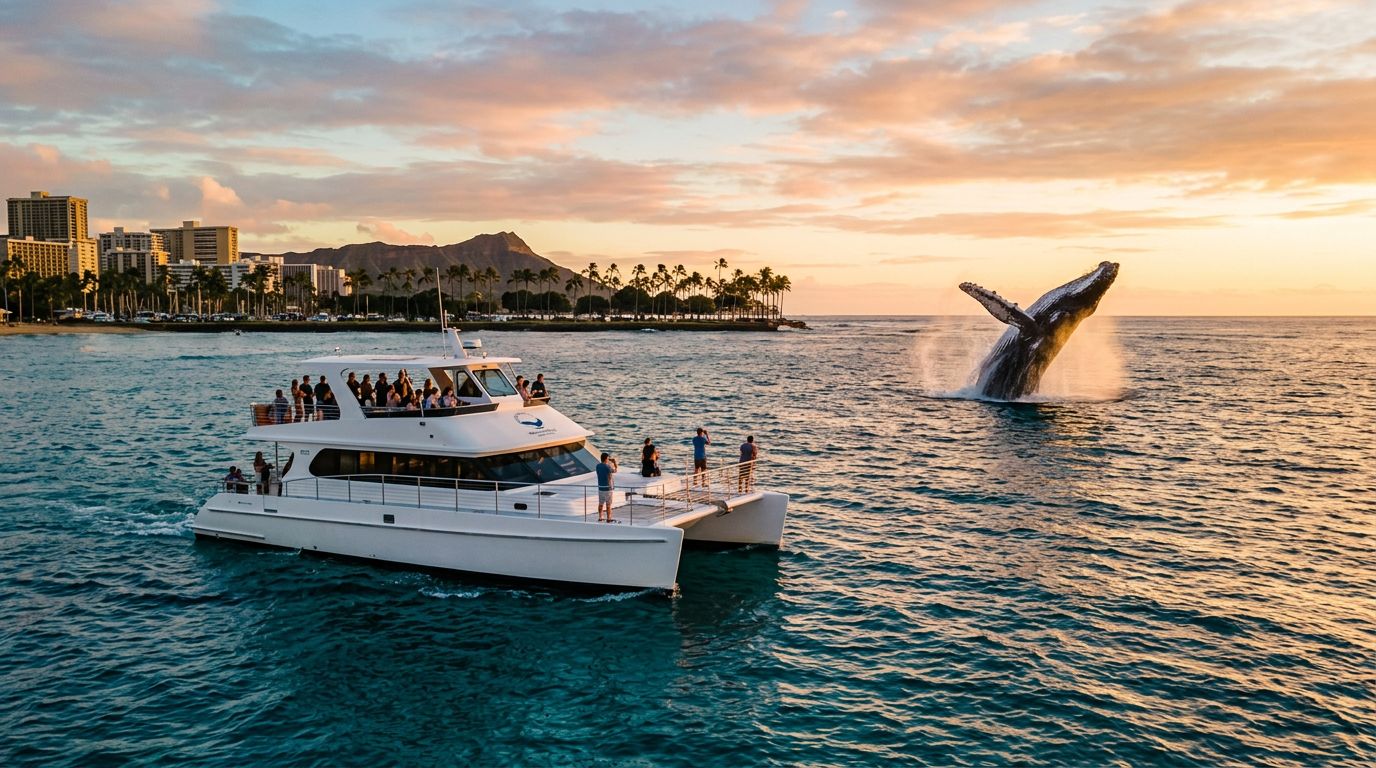
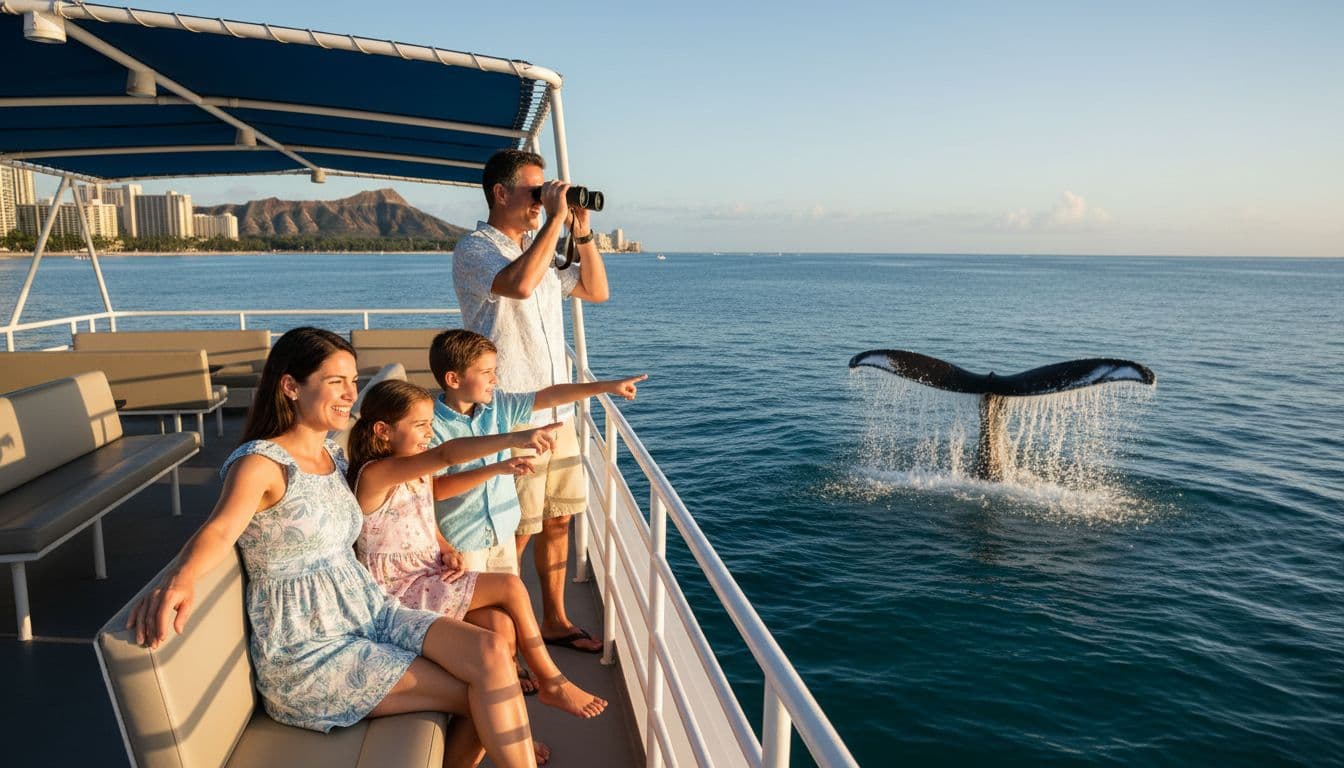
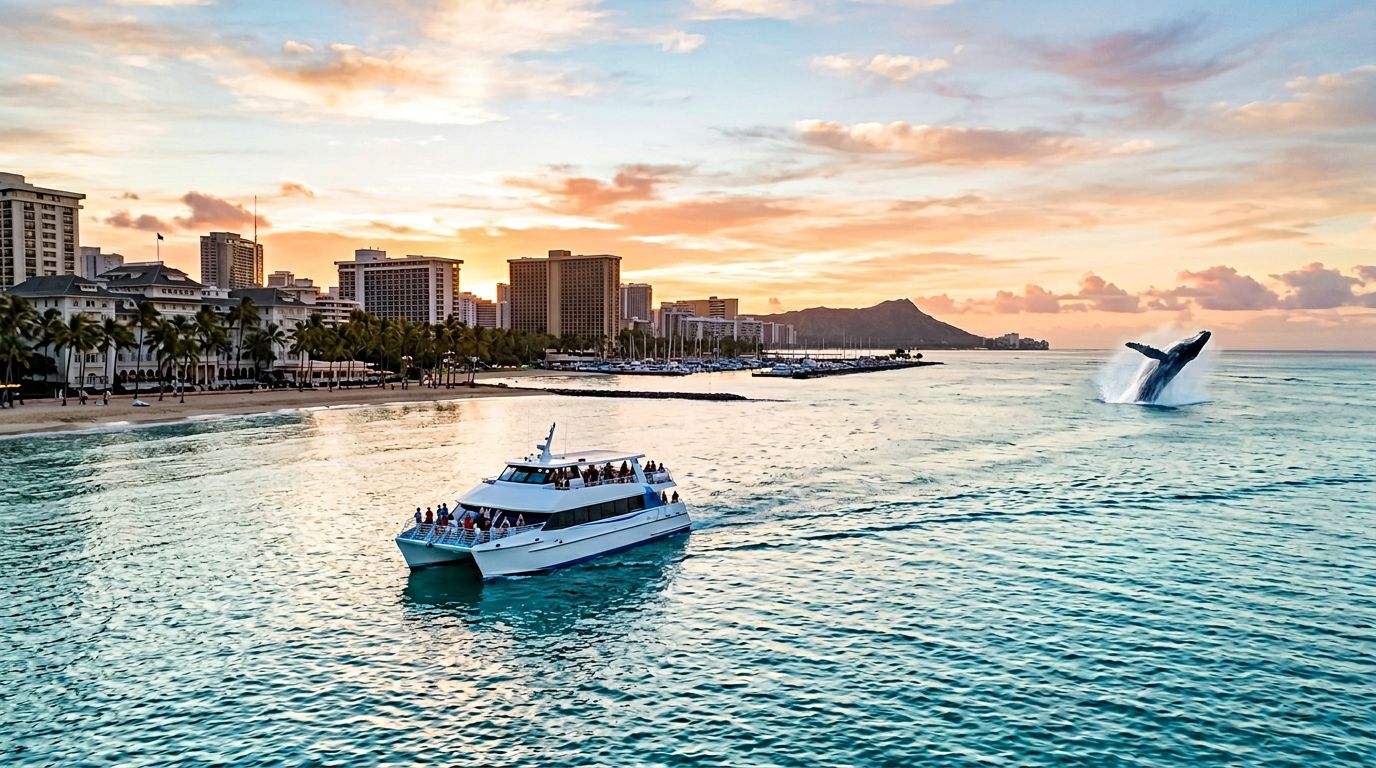
You board at Kewalo Basin Harbor just after dawn, the catamaran's twin hulls rocking gently against the dock. The crew secures your spot on the shaded upper deck, and within ten minutes the boat clears the breakwater, Diamond Head's silhouette receding to starboard.
The captain cuts the engine a mile offshore, and the naturalist raises binoculars, scanning the horizon for blows — the telltale mist of exhaled breath that marks a surfacing whale.
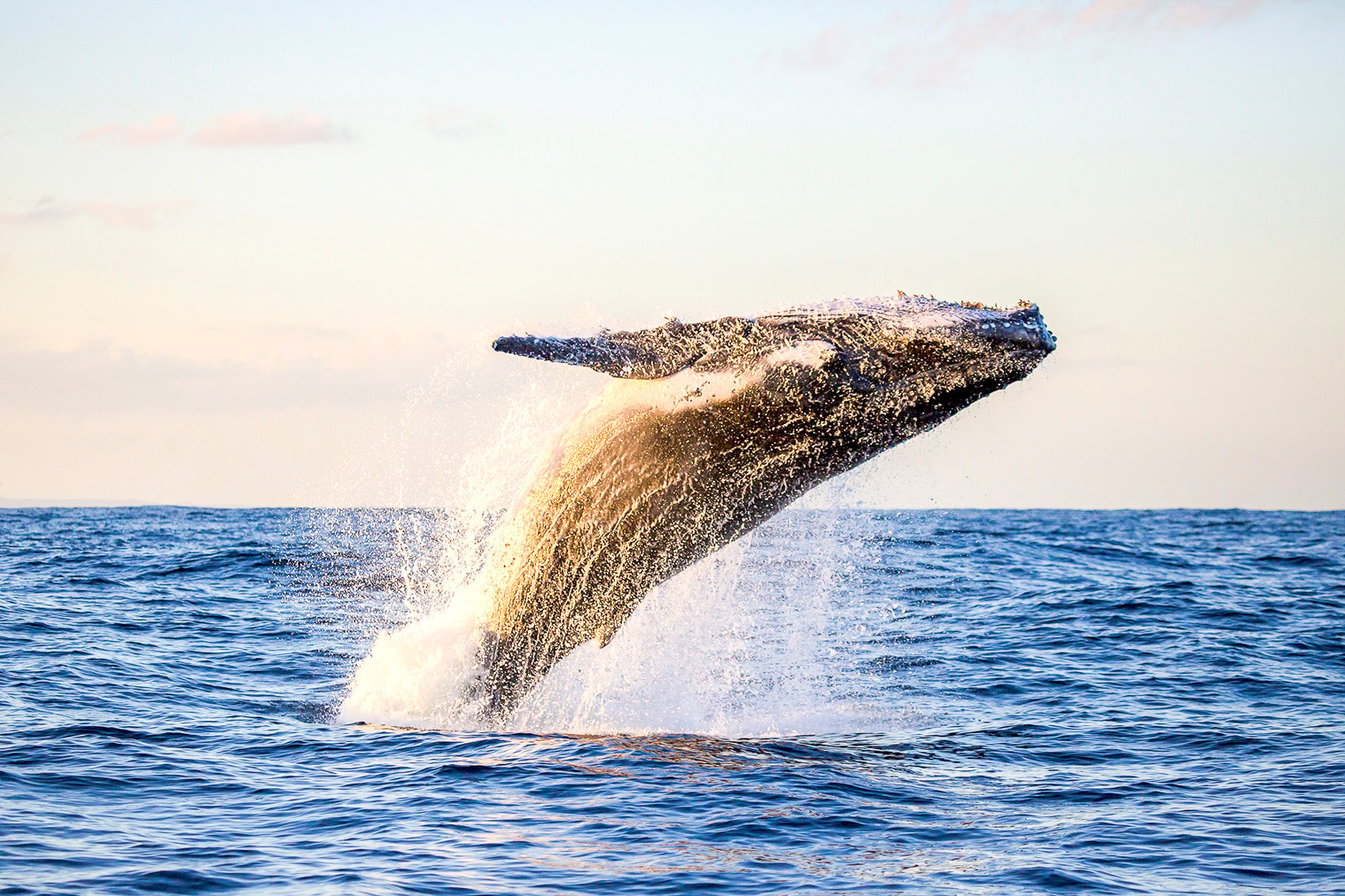
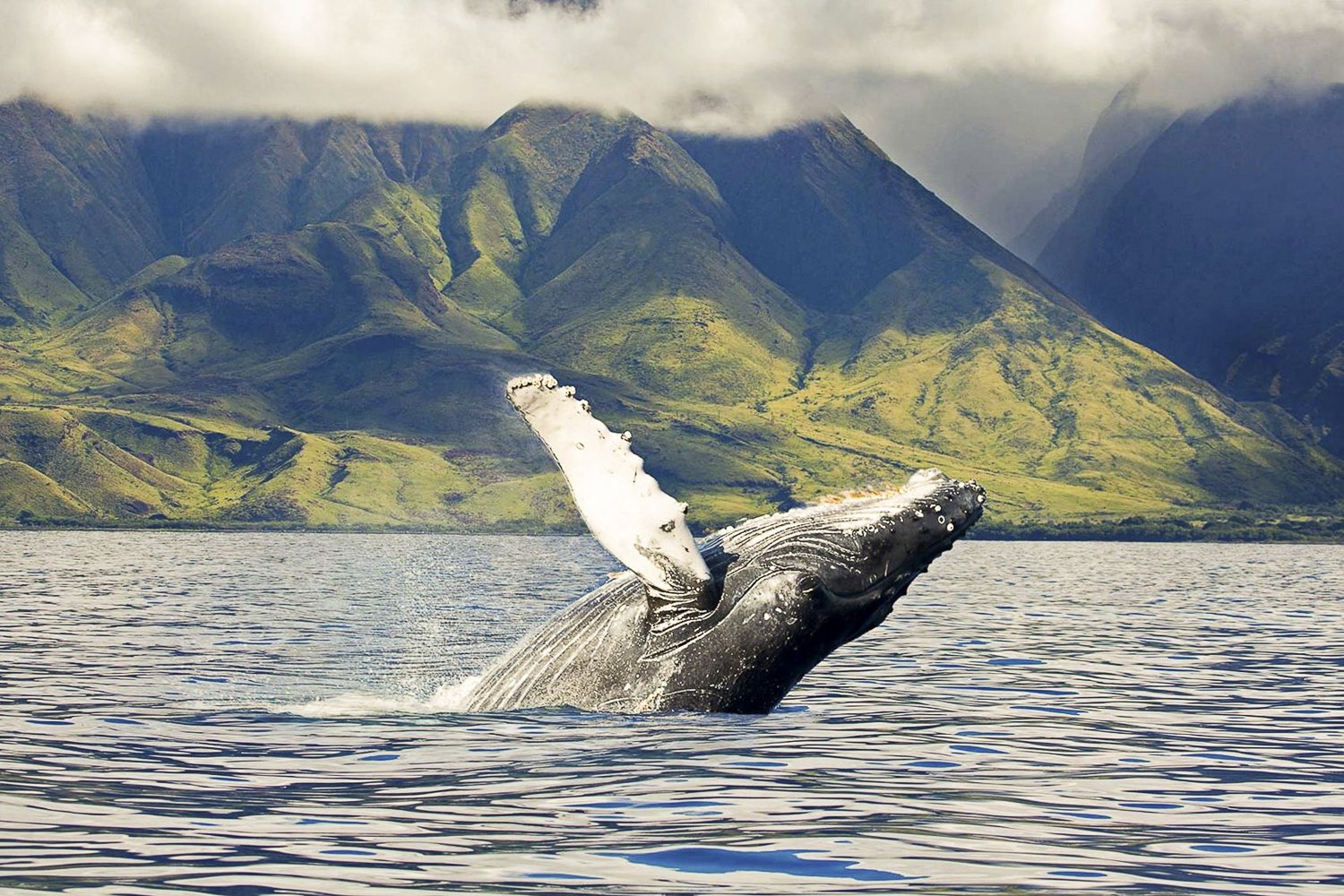
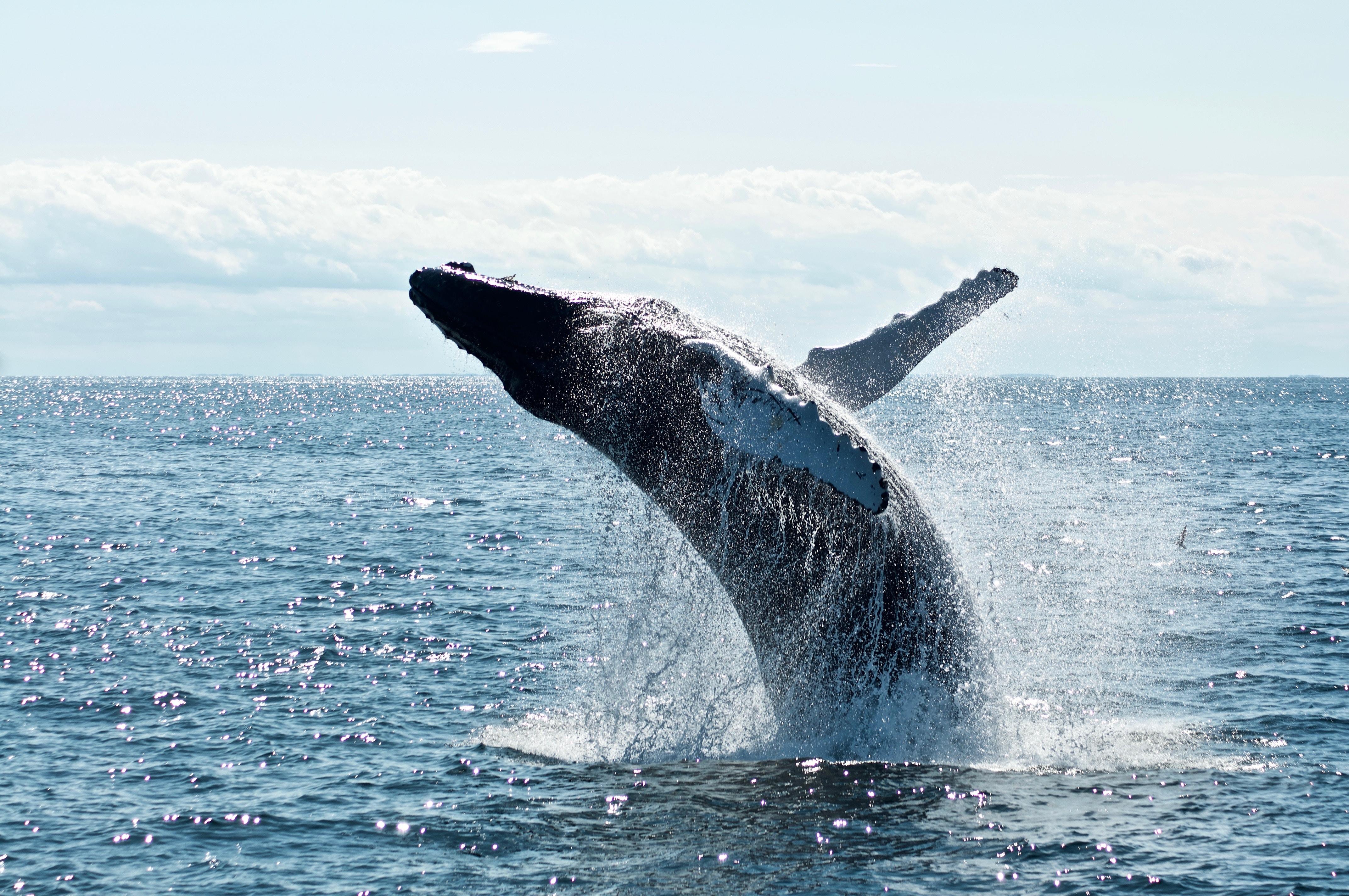
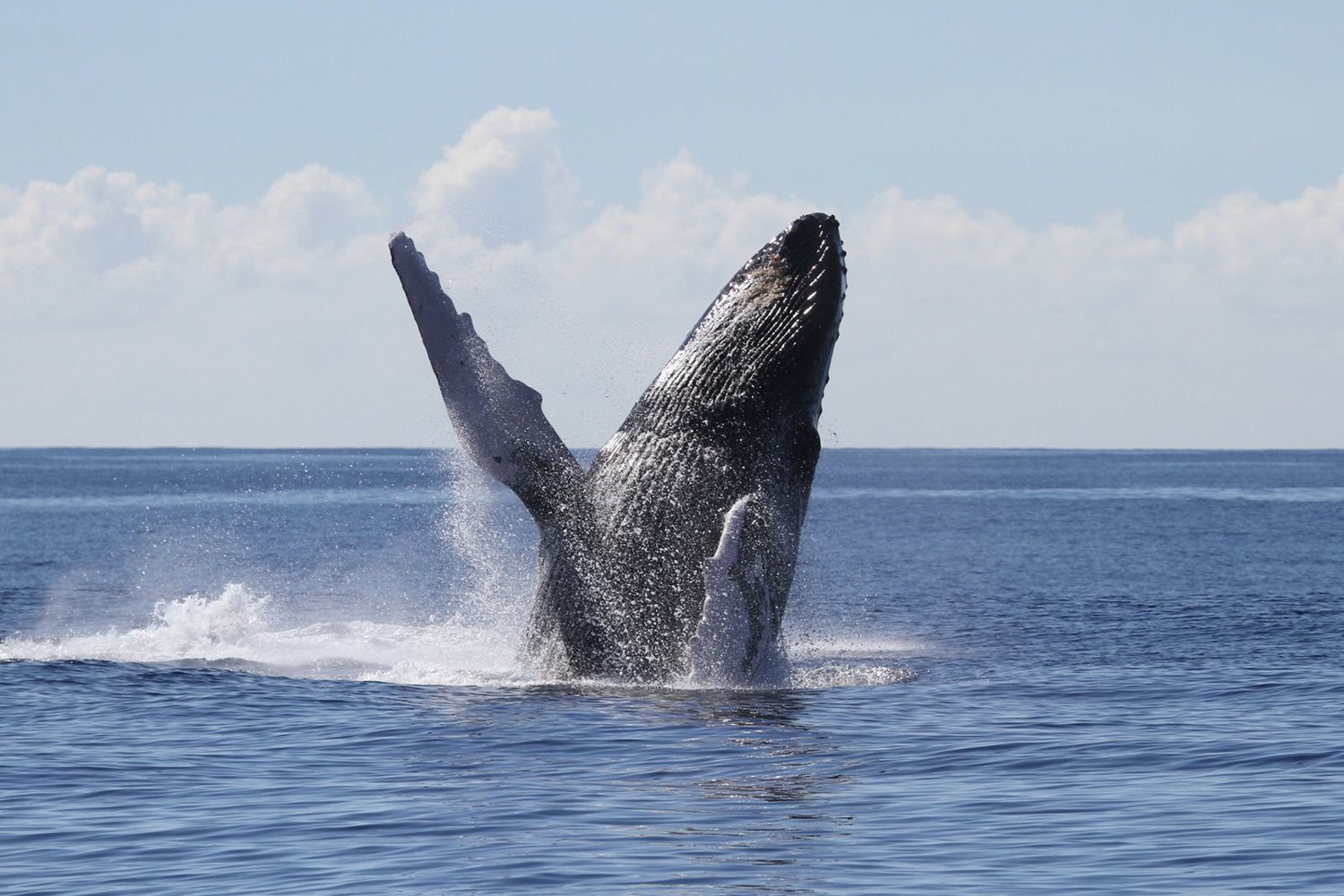
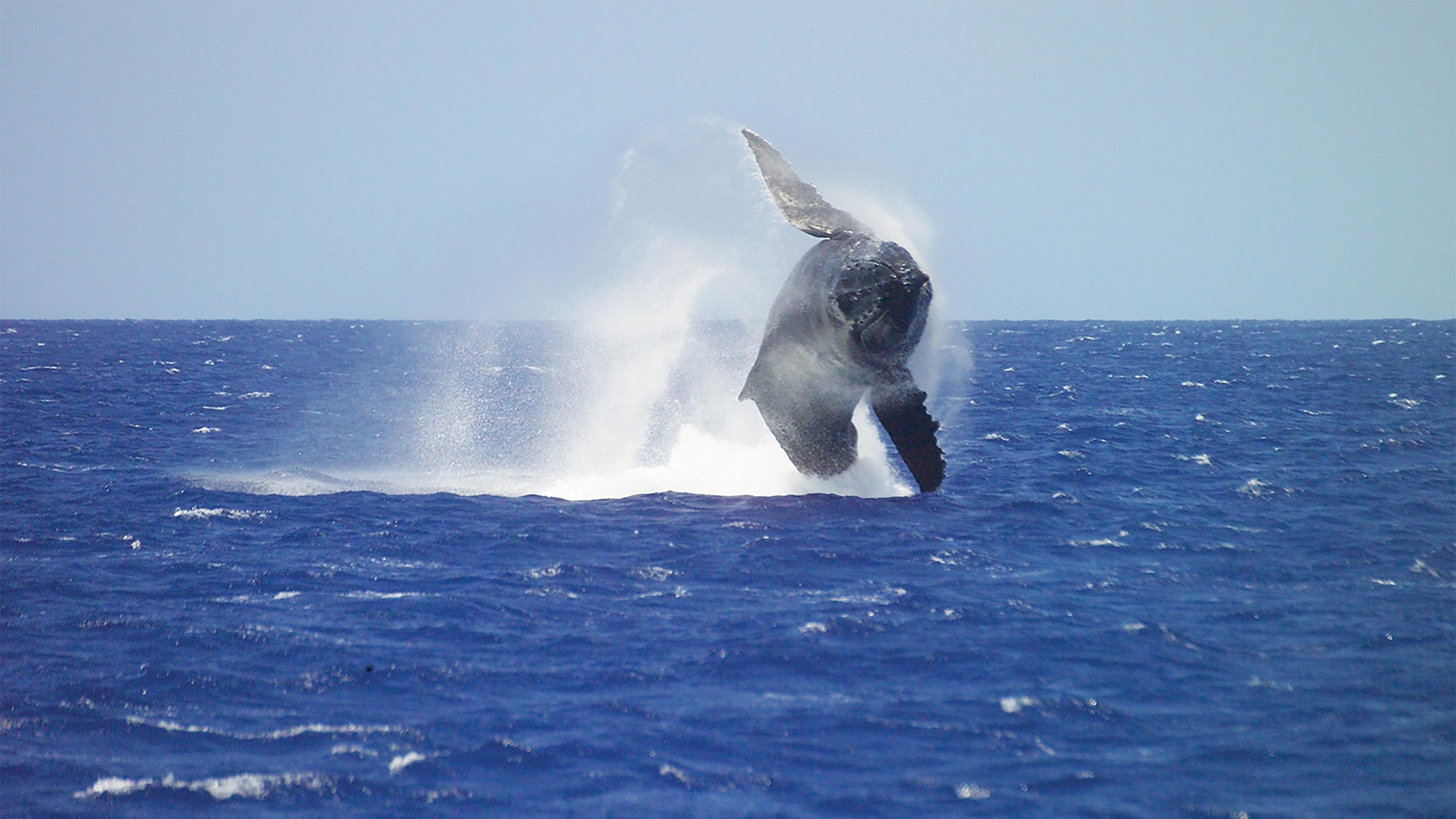
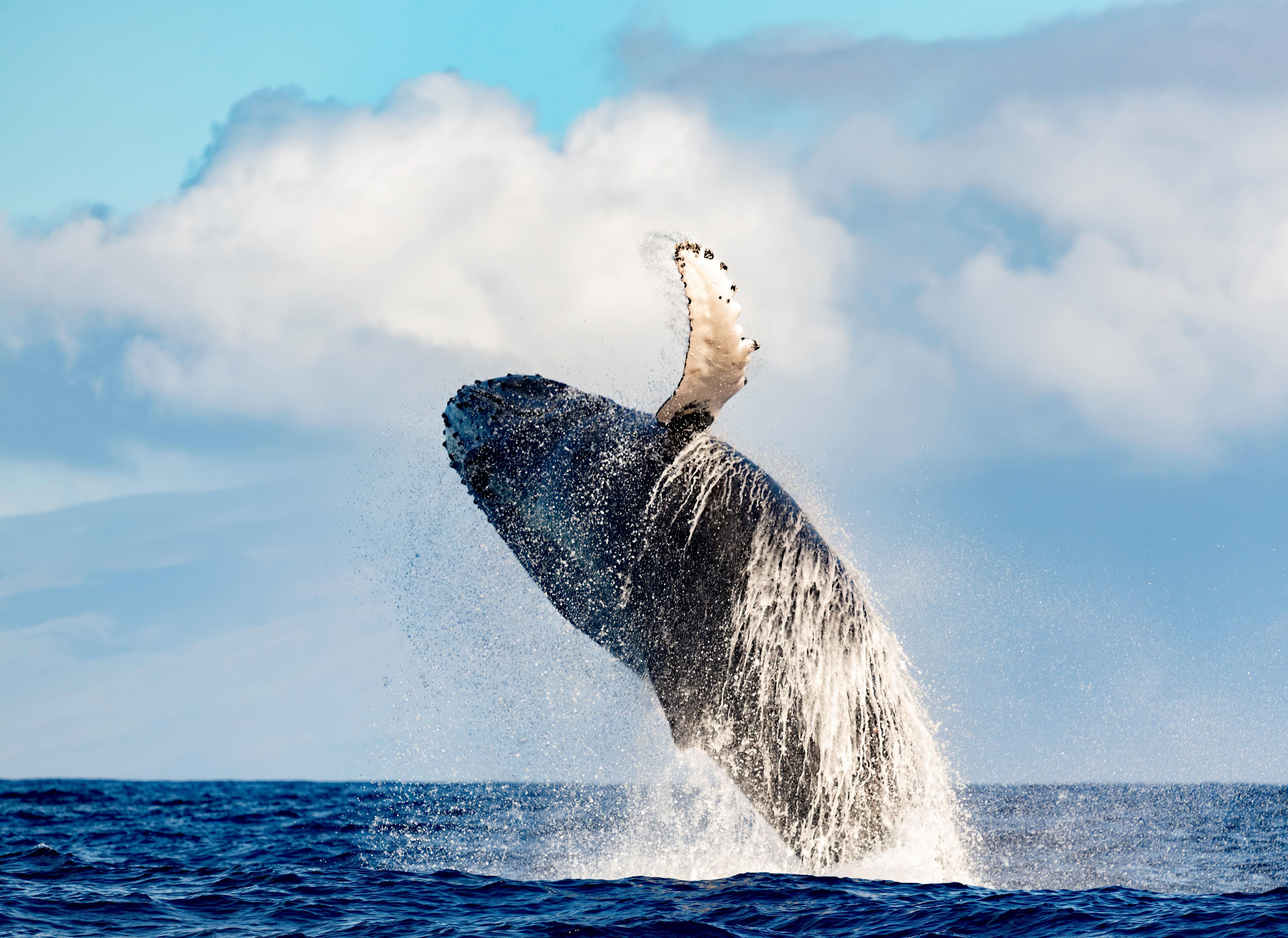
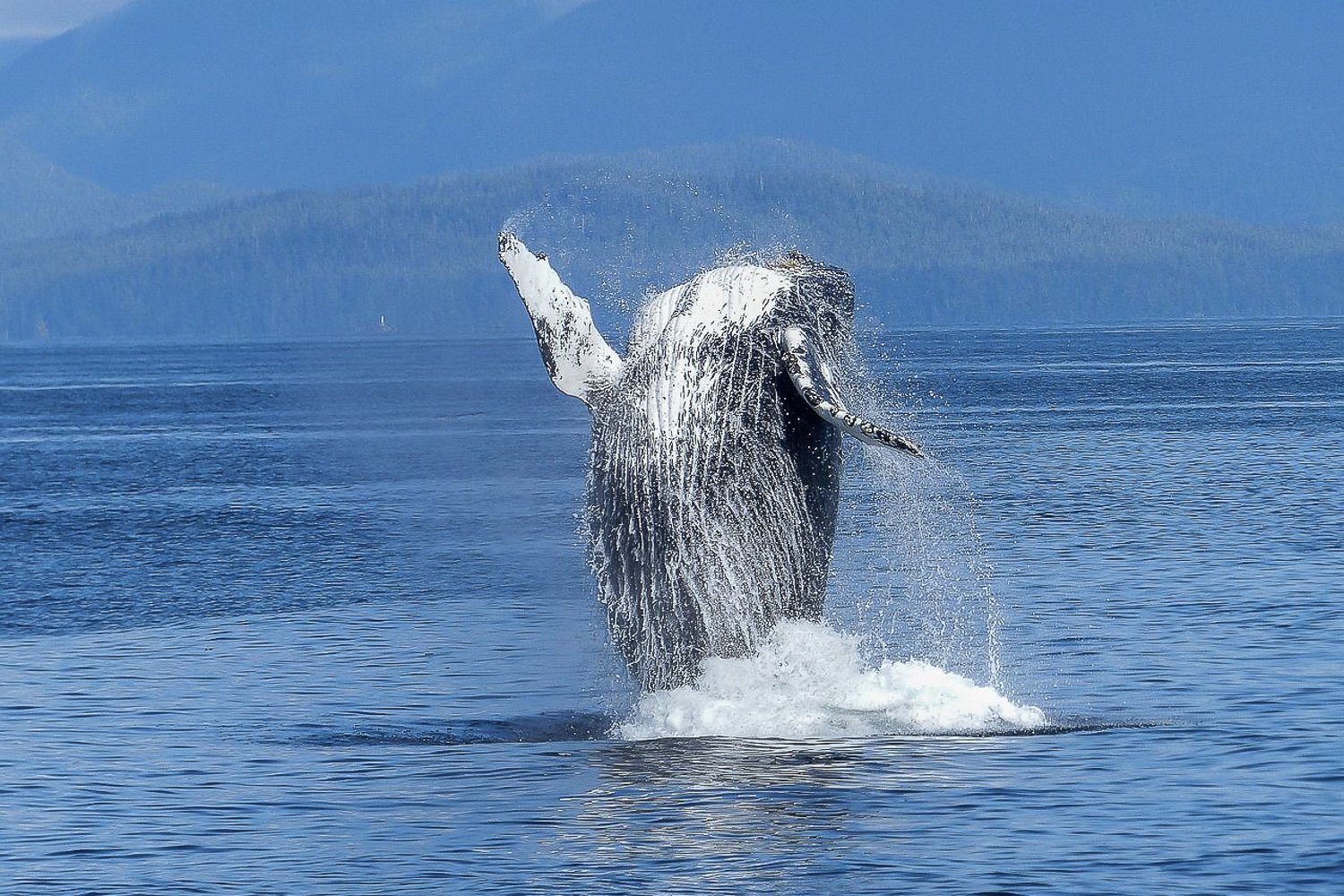
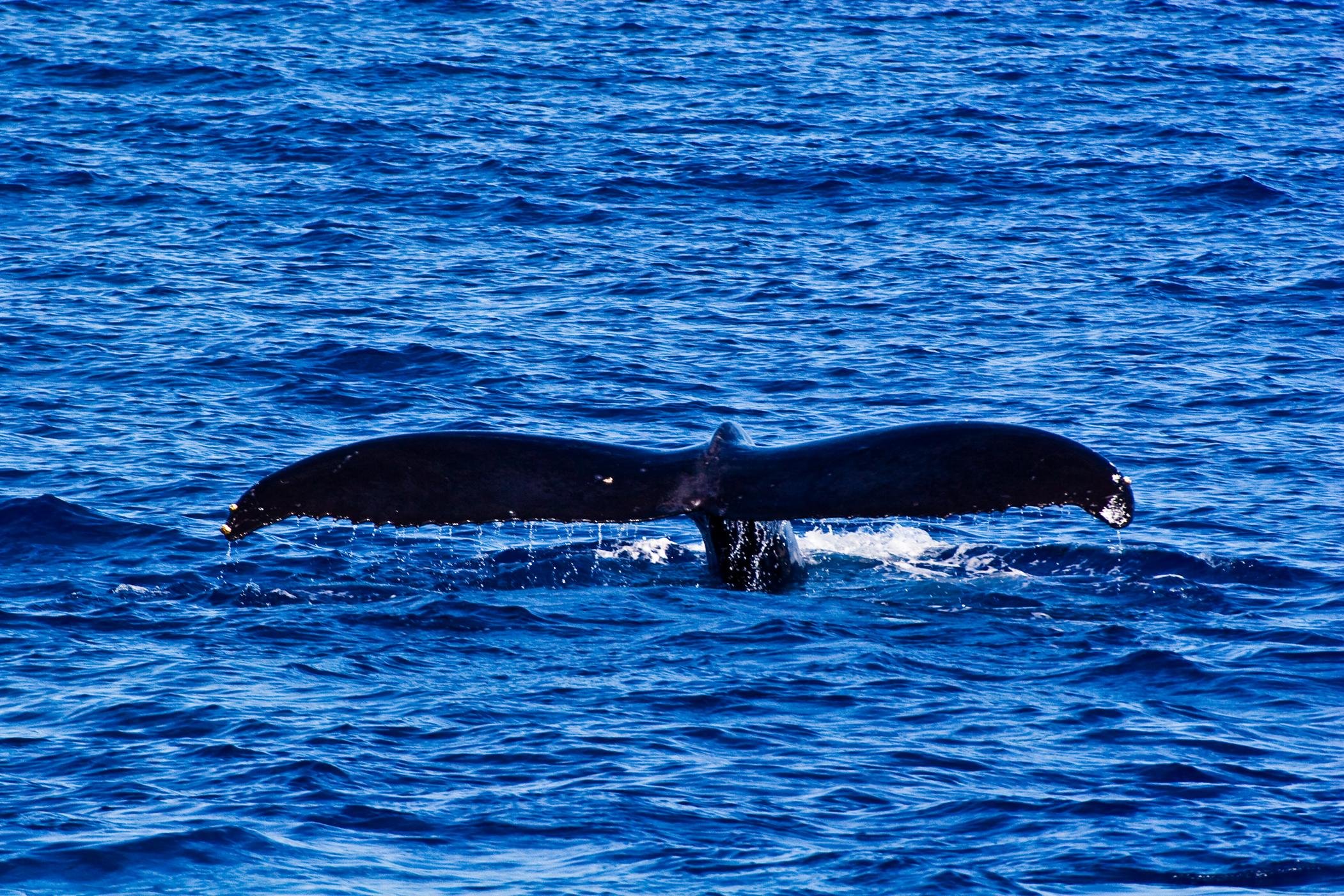
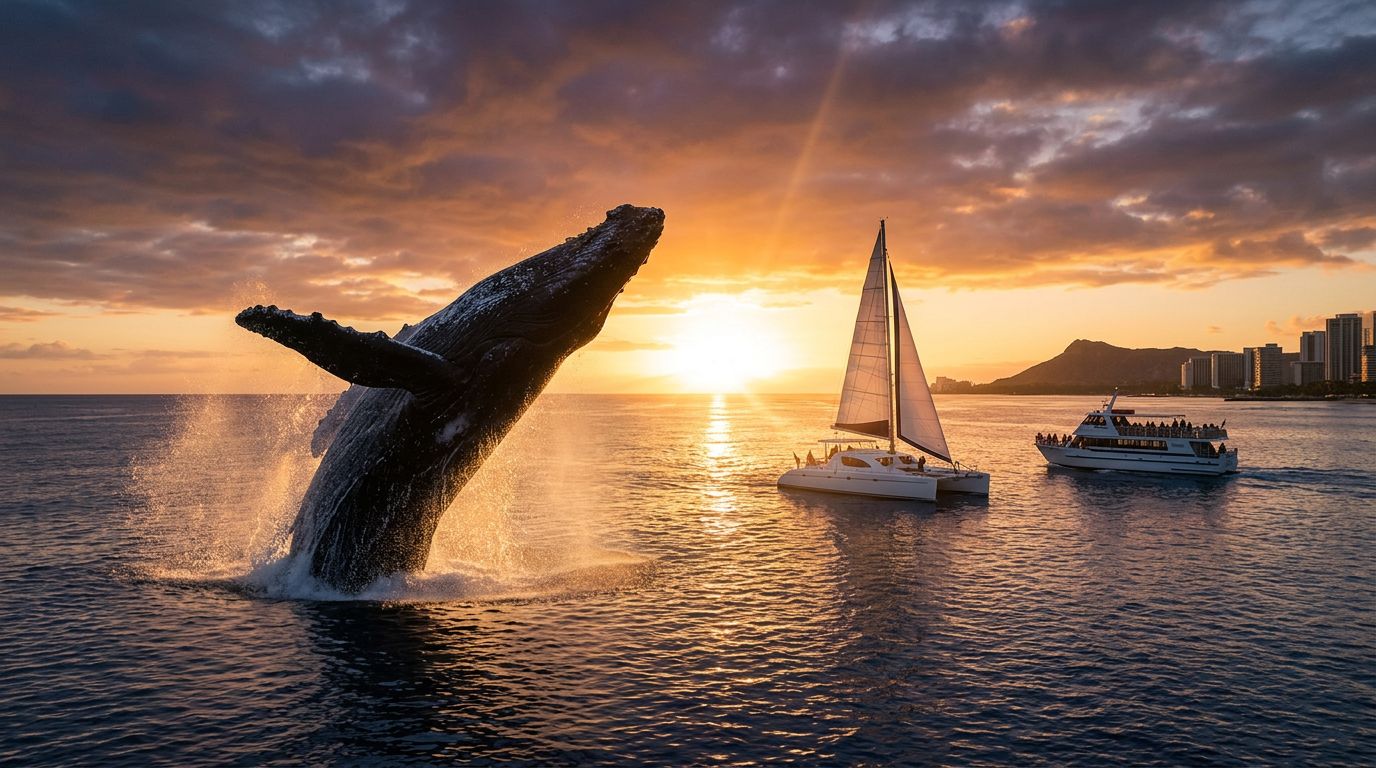
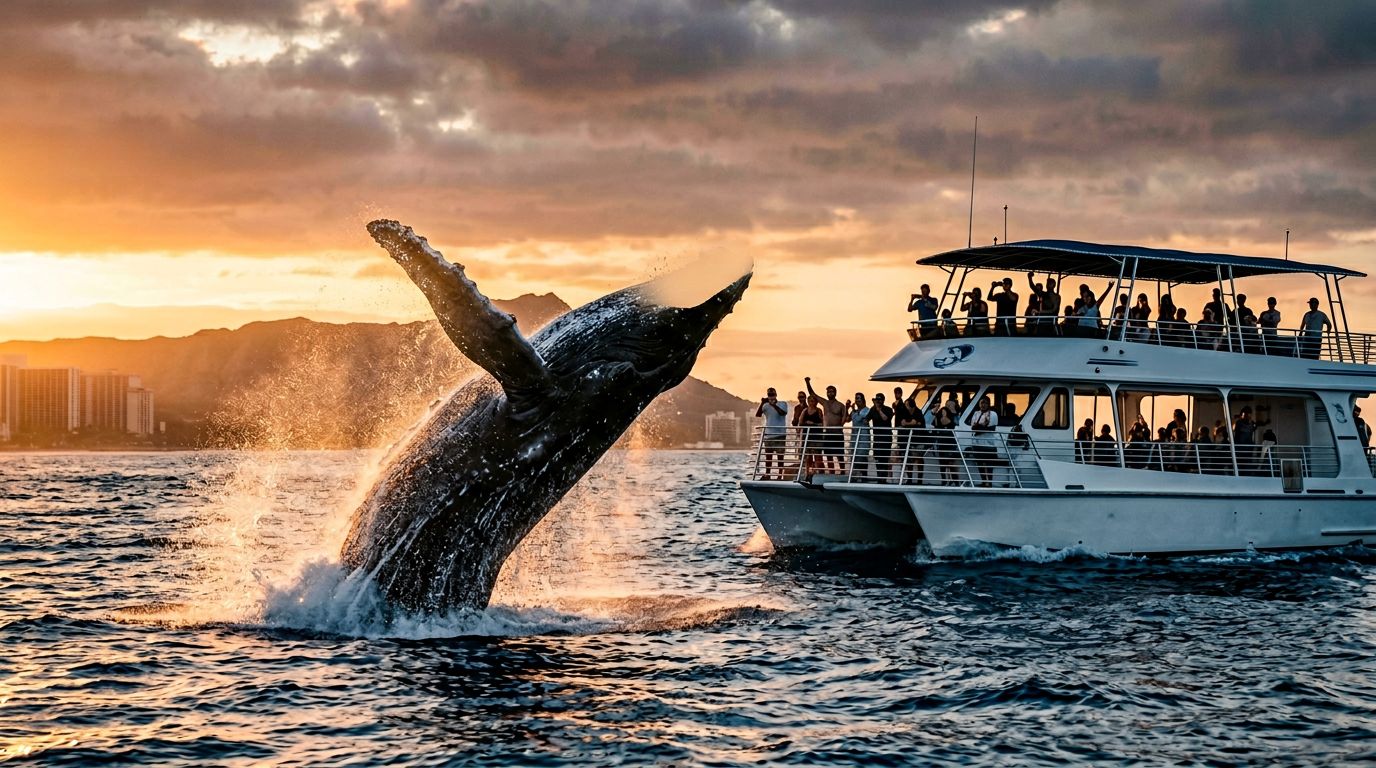
A dark shape breaks the surface 200 yards ahead. The humpback rolls slowly, its dorsal fin slicing the water, and then the tail flukes rise — black, barnacle-scarred, unmistakable. The whale holds the pose for three seconds before sliding under. You wait. Thirty seconds later, a second whale breaches 50 yards closer, its entire 40-ton body launching clear of the water before crashing down in a white explosion. The hydrophone crackles with low-frequency song.
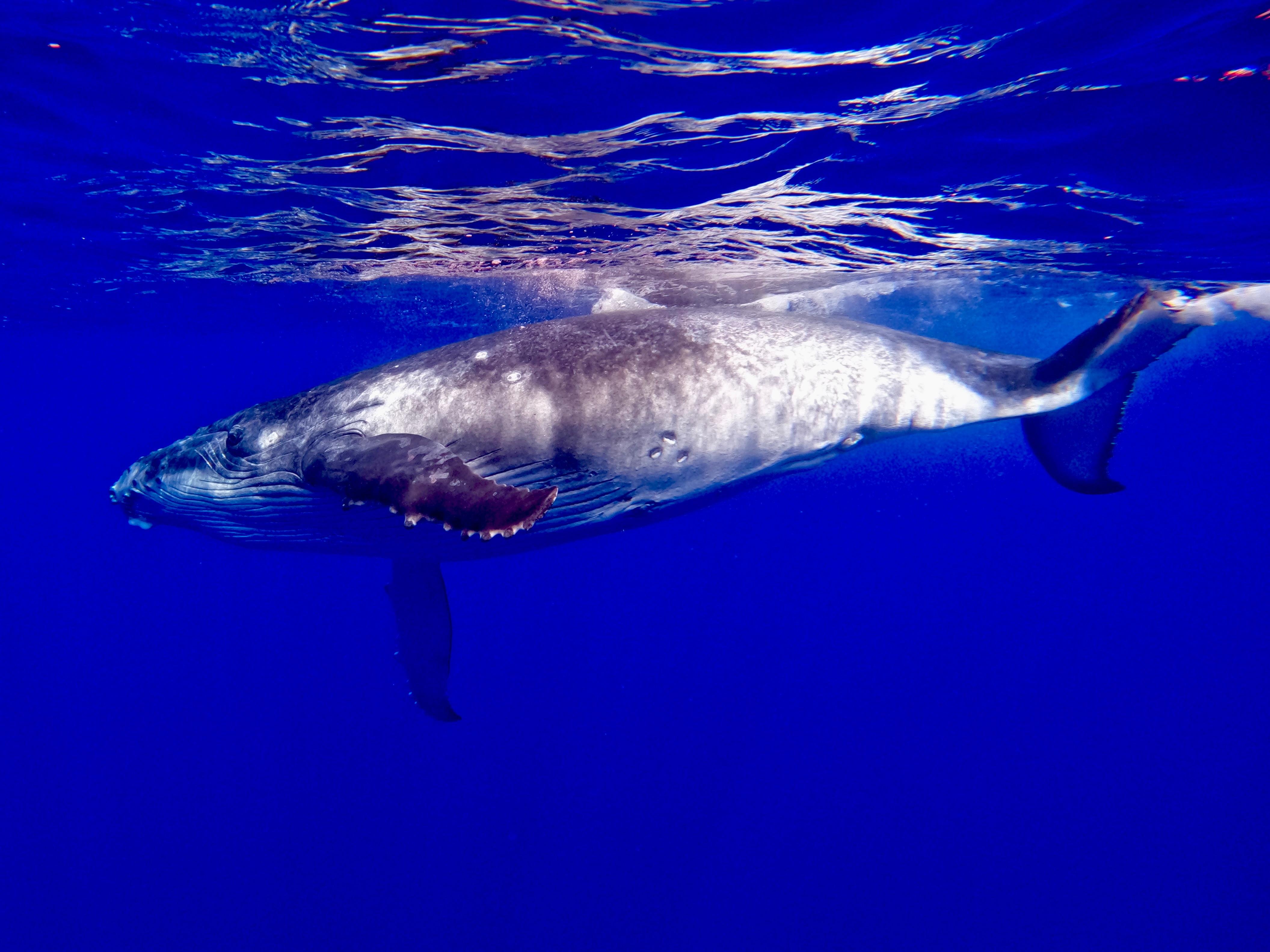
The Oahu whale watching cruise tour circles the area for another hour, the whales surfacing in loose pairs, exhaling through twin blowholes, their pectoral fins occasionally slapping the surface. A calf swims alongside its mother, mimicking her rhythm. By 9:30 AM, the boat turns back toward Waikiki, the whales already diving deep, and the crew passes around cold water and granola bars as the skyline sharpens into focus.
All the details about your upcoming adventure in one place
Each winter, roughly 10,000 North Pacific humpback whales swim 3,000 miles from Alaskan feeding grounds to the warm, shallow channels surrounding the Hawaiian Islands.
The migration, which peaks between January and March, transforms Oahu's southern and western coasts into one of the most reliable whale-watching corridors in the world. Federal law requires vessels to maintain a 100-yard buffer, but breaching whales, tail slaps, and spy-hopping behaviors often bring the animals closer — close enough that hydrophones aboard many boats pick up the males' haunting songs, which can last twenty minutes and travel miles underwater.
The Oahu whale watching cruise industry emerged in the early 1990s, after the Marine Mammal Protection Act and the Endangered Species Act helped humpback populations recover from near-extinction. By 2026, the species has rebounded to an estimated 25,000 individuals across the North Pacific, and Hawaii's waters host the largest winter aggregation. Waikiki Beach and Kewalo Basin Harbor serve as the primary departure points, with morning sailings offering the calmest conditions and the highest likelihood of sightings. Afternoon chop increases as trade winds strengthen, though the golden-hour light often compensates with dramatic backlit breaches.
Catamarans and rigid-hull inflatables dominate the fleet, ranging from 30-foot speedboats to 65-foot sailboats. Naturalists aboard most vessels provide running commentary on behavior — pectoral fin slaps signal aggression or play, while tail flukes lifted high before a dive indicate a deep feeding descent. Calves, born in Hawaiian waters between December and February, stay close to their mothers and surface every few minutes to breathe. By April, the whales begin their northward return, and the season officially closes on May 15.
The Oahu whale watching cruise tours operate daily during peak season, with departures clustered between 7:00 and 10:00 AM. No entrance fee applies to the harbors themselves; pricing is set by individual operators and varies by vessel type, duration, and amenities. The experience remains weather-dependent — swells above six feet can force cancellations — but marine forecasts and real-time spotter networks have made last-minute route adjustments standard practice. The 100-yard rule, enforced by NOAA, ensures that encounters remain observational rather than intrusive, preserving the animals' breeding and nursing behaviors while offering visitors front-row access to one of the ocean's most deliberate migrations.
Hydrophones pick up the males' haunting songs, which last twenty minutes and travel miles underwater.
Wear light, breathable clothing and a windbreaker, as temperatures can drop on the water. Flat, rubber-soled shoes are required for safety on an oahu whale watching cruise.
Keep belongings in a small, water-resistant bag. Security protocols at Kewalo Basin Harbor require all guests to be ready for inspection before boarding any oahu whale watching cruise.
Photography is encouraged on every oahu whale watching cruise to capture marine life. Use a secure strap for your camera or phone to prevent loss during the excursion.
Children are welcome, though infants may not be permitted on some high-speed tours. Always confirm age restrictions with your chosen oahu whale watching cruise operator.
Vessel accessibility varies significantly across the fleet. Contact your specific oahu whale watching cruise operator to confirm boarding ramp capabilities for wheelchairs.
Most tours provide light refreshments, but bringing extra water is advised. Alcohol policies differ by operator on an oahu whale watching cruise.
Operating Hours
07:00–18:00
Address
Waikiki Beach and Kewalo Basin Harbor, Honolulu, HI, USA
Accessibility
Varies by vessel; inquire with specific operator
Best Arrival
07:00–10:00
Storage
Limited; keep items compact
Navigation
Confirm harbor location upon booking
Public transport · 45 min · Low cost
Take TheBus lines that stop near Ala Moana Boulevard
Car · 30 min · Paid daily rates apply
Parking is available at Kewalo Basin Harbor
Most operators offer a full refund if canceled at least 24 to 48 hours before the scheduled departure. As there is a 0 USD fixed entrance fee, cancellation policies are governed strictly by the individual tour provider.
Recommended time
3-4 hours
Most excursions last several hours to allow sufficient time for travel into deeper Pacific waters where marine mammals are most active. An oahu whale watching cruise often includes safety briefings and transit time departing from Waikiki Beach or Kewalo Basin Harbor. Guests should secure their oahu whale watching cruise tickets in advance, as morning departures frequently experience higher demand due to calmer ocean conditions. If your schedule allows, selecting a longer oahu whale watching cruise tour provides a more relaxed pace for observing wildlife behavior through the lenses of your binoculars or camera.
Crowd levels through the day
Weather · crowds · average price — dots go green to amber to red as each metric rises.
September offers pleasant, warm weather and fewer crowds compared to the winter peak season for any oahu whale watching cruise experience. Early morning is ideal for calm waters.
Whale season officially begins in December, providing the most frequent sightings. Temperatures remain mild throughout the season.
Sightings continue through April, with calm seas often persisting in early spring. This is a quiet time to enjoy the open ocean.
While whales are generally not present, tours focus on dolphin watching and snorkeling. The ocean is typically very calm during these months.
Take preventative medication one hour before departure if you are prone to seasickness. Stay on the middle deck for more stability during your oahu whale watching cruise.
Avoid splashing the water or shouting, as this can disturb the animals. Use your binoculars to observe natural behaviors from a distance.
The sun is intense on the water; reapply sunscreen every two hours. Wear a wide-brimmed hat to protect your face.
Commercial whale watching arrived in Hawaiian waters during the late 1970s, when marine biologists and conservationists recognized the North Pacific humpback whale migration as both a scientific opportunity and a tourism draw. Oahu whale watching cruise operations began modestly in 1979, when Captain Dan McSweeney piloted small research vessels from Kewalo Basin Harbor with paying passengers aboard to fund cetacean studies. The humpback whales, migrating annually from Alaskan feeding grounds to Hawaiian breeding waters between December and May, had been protected under the Marine Mammal Protection Act since 1972, allowing populations to recover from commercial whaling that had decimated herds through the mid-twentieth century. The industry expanded rapidly through the 1980s as tour operators along Waikiki Beach recognized demand from visitors seeking close encounters with marine mammals. By 1986, a dozen operators ran seasonal whale watching tours from Honolulu harbors, though early years saw conflicts between commercial fishing interests and tour boats competing for offshore access. The establishment of the Hawaiian Islands Humpback Whale National Marine Sanctuary in 1992 formalized protective zones and approach guidelines, requiring vessels to maintain 100-yard distances from whales. This regulation reshaped oahu whale watching cruise tours, pushing operators toward larger vessels with elevated viewing decks and hydrophones for underwater vocalizations. A near-disaster struck in 2004 when an overloaded catamaran capsized during rough February seas off Diamond Head, prompting Coast Guard investigations and stricter passenger limits. The incident led to mandatory safety certifications and weather protocols that remain standard today. Modern oahu whale watching cruise operations now blend marine education with ecotourism, employing naturalists who narrate whale behavior and conservation efforts while operators navigate within sanctuary regulations that protect the species' breeding habitat.
Marine Mammal Protection Act establishes federal protections for humpback whales in U.S. waters.
First commercial whale watching cruise departs from Kewalo Basin Harbor with research-funded passengers.
Twelve operators begin seasonal tours from Honolulu as humpback migration gains tourism attention.
Hawaiian Islands Humpback Whale National Marine Sanctuary designates protected zones and 100-yard approach limits.
Catamaran capsize off Diamond Head prompts Coast Guard safety overhaul and mandatory vessel certifications.
Oahu whale watching cruise tickets support marine conservation through sanctuary fees and educational programming.
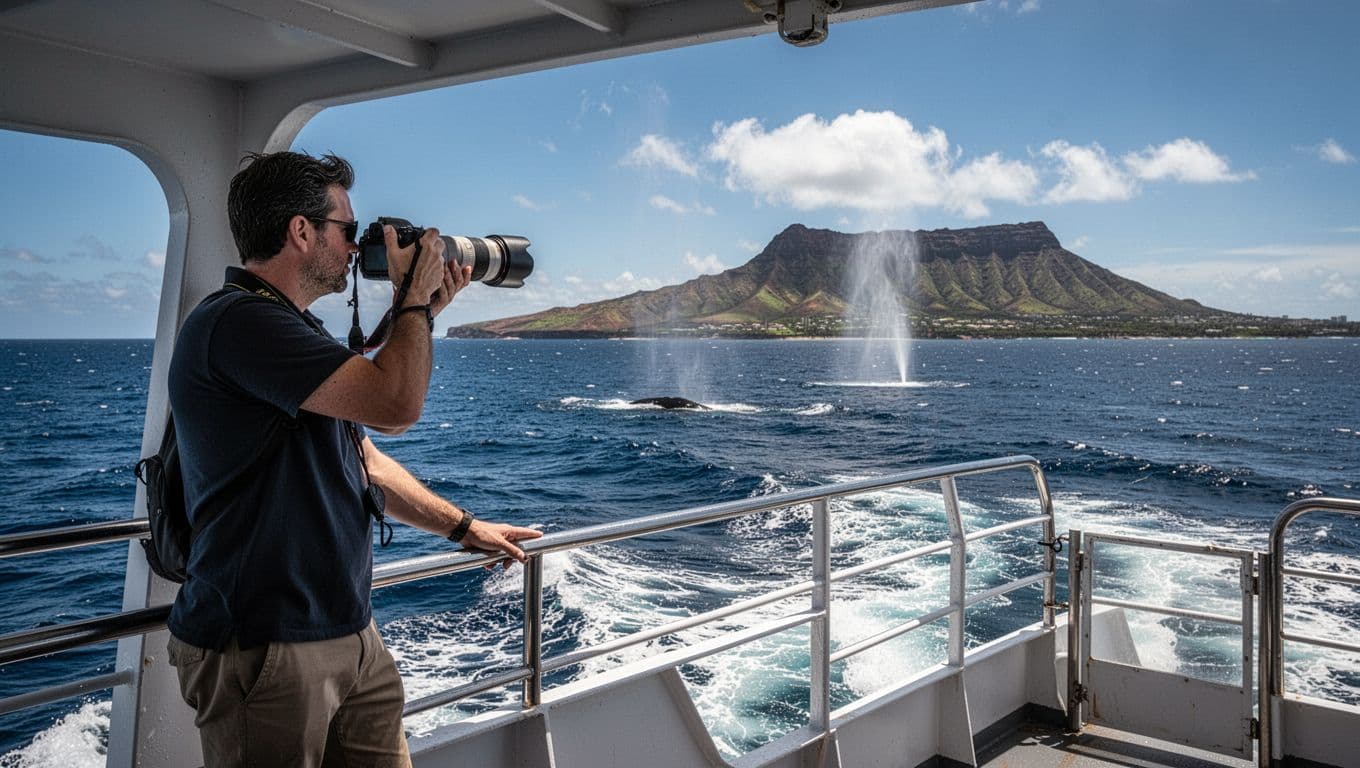
Stand at the very front of the boat for an unobstructed view of the horizon and potential breaching activity. This position offers the cleanest framing for capturing marine life against the open Pacific.
Access this elevated platform to gain a higher perspective of the water, making it easier to track pods from a distance. The lack of overhead railings here provides a clear field of vision for telephoto lenses.
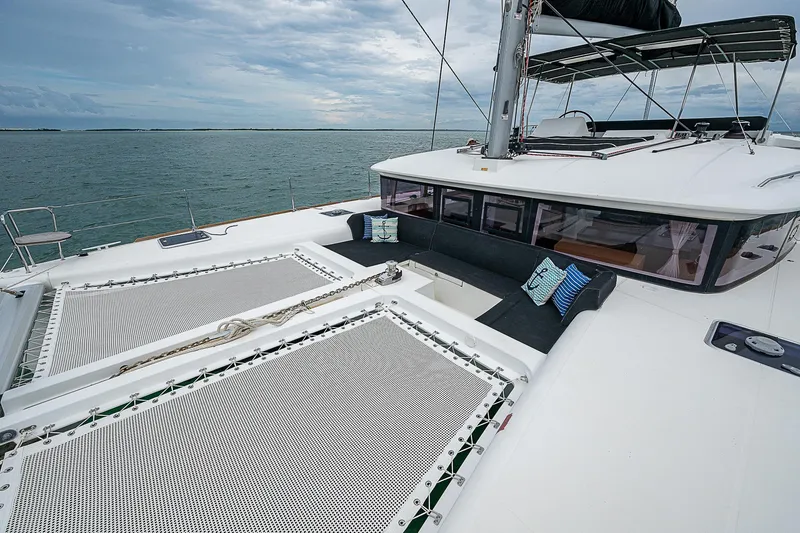
Sit or lie on the forward trampoline area of a catamaran for a unique, low-angle shot of the water. This spot is ideal for capturing the scale of the vessel as you join an oahu whale watching cruise tour.
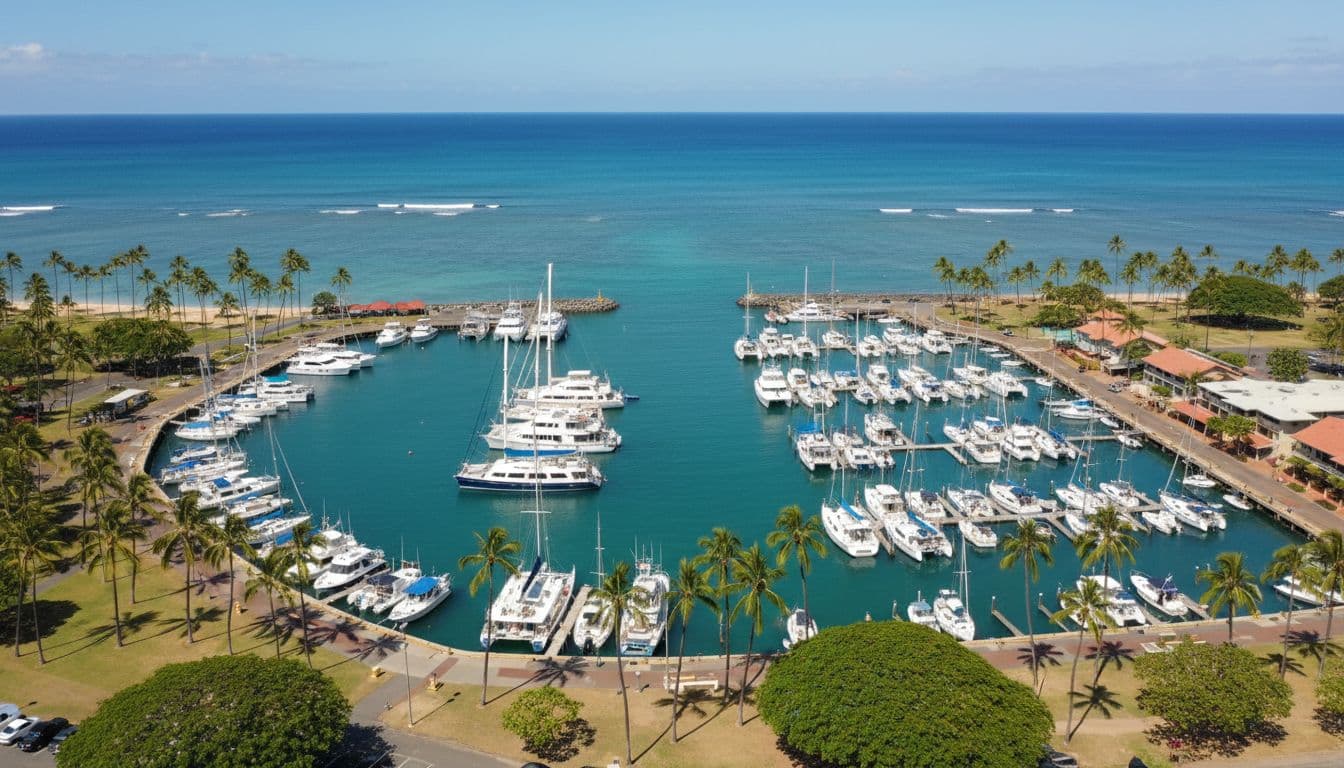
Capture the departure and return journey as the boat navigates through this working harbor. The contrast between the industrial marina architecture and the tropical coastline creates a distinct composition for your oahu whale watching cruise tickets documentation.
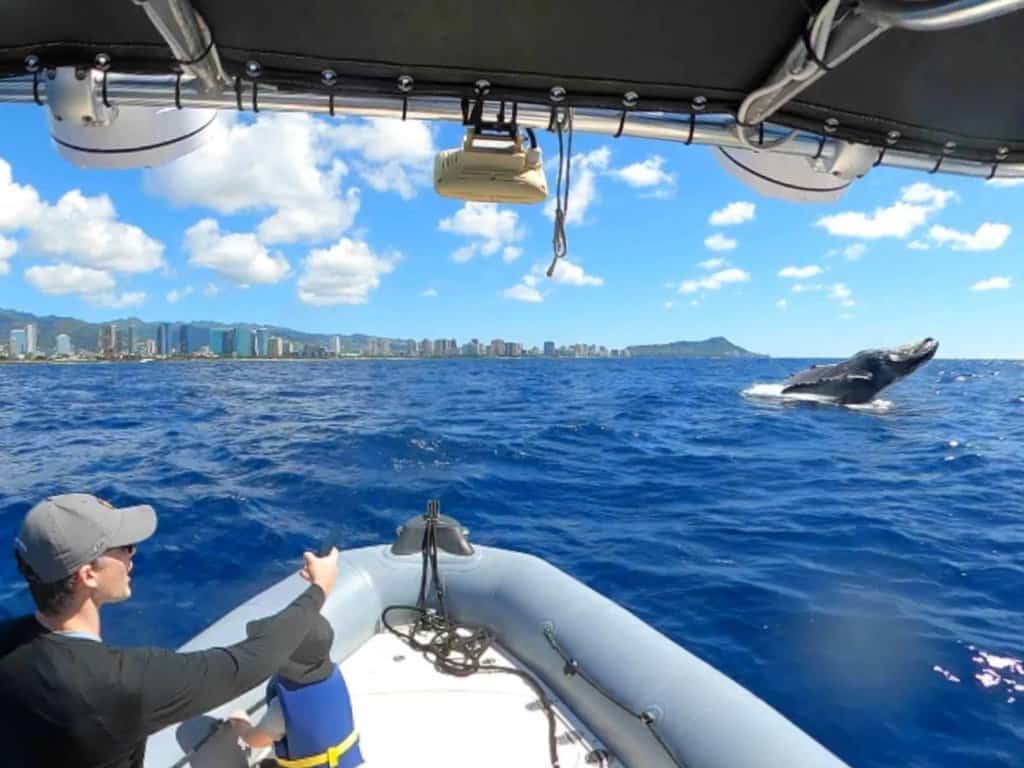
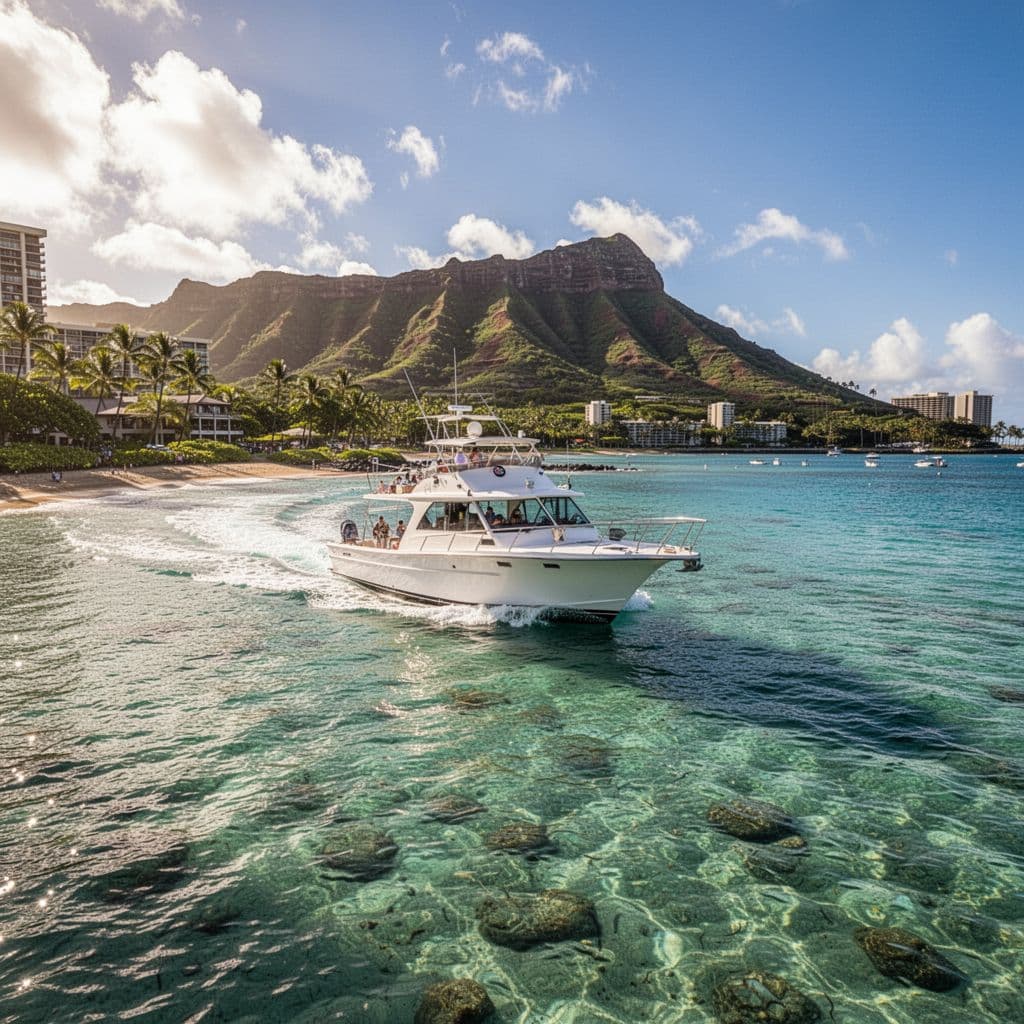
As you drift near the shore, use the iconic silhouette of Diamond Head and the distant hotels as a backdrop for coastal shots. This panoramic perspective helps ground your oahu whale watching cruise tours photos in a specific geographic context.
Planning an oahu whale watching cruise requires careful preparation to ensure little ones remain comfortable while scanning the ocean surface. Selecting the right vessel for your oahu whale watching cruise tours helps minimize seasickness and maximizes enjoyment for all ages.
Most vessels have limited deck space, so collapsible strollers are usually required; check if your specific oahu whale watching cruise tour operator provides storage.
These ocean excursions are generally best for children aged five and older who can safely navigate moving decks and follow captain instructions.
Restrooms on board are typically compact, so parents should plan for diaper changes before boarding to avoid restricted movement during the boat ride.
To manage potential motion sickness, consider booking during the recommended arrival window of 07:00–10:00 when waters are calmer for your oahu whale watching cruise tickets.
Bringing your own non-perishable snacks and water is recommended as galley options may be limited depending on the specific provider.
Dining options are concentrated near the harbor, as visitors heading out on an oahu whale watching cruise typically rely on nearby cafes for pre-departure fuel. While Kewalo Basin Harbor offers limited on-site dining, a short walk into Kaka’ako provides numerous local eateries perfect for grabbing a quick bite before your Honolulu marine wildlife tour.
Located steps from the harbor, this spot serves fresh seafood and local plates. It is a convenient choice for those securing oahu whale watching cruise tickets who want a sit-down meal.
This trendy cafe specializes in artisanal coffee and avocado toast. It is an ideal stop for a light breakfast before embarking on your oahu whale watching cruise tours.
Known for traditional Hawaiian comfort food like kalua pig and poi. Arriving during the 07:00–10:00 window allows you to enjoy a hearty meal before your oahu whale watching cruise tour begins.
Everything you need to know for your journey
The operating hours for scheduling an oahu whale watching cruise are 07:00–18:00 daily.
There is a 0 USD entrance fee; tours are booked individually via various operators for your oahu whale watching cruise.
Departure points are located at Waikiki Beach and Kewalo Basin Harbor, Honolulu, HI, USA.
Accessibility for an oahu whale watching cruise depends on the specific vessel, so check with your provider.
Many operators permit small snacks on an oahu whale watching cruise, but check specific vessel rules.
The best arrival window is 07:00–10:00 for an oahu whale watching cruise to ensure calm seas.
Yes, families are welcome, but confirm age requirements before booking your oahu whale watching cruise.
Cancellations for an oahu whale watching cruise typically follow the provider's specific refund window.
Photography is permitted on an oahu whale watching cruise, though equipment should be secured.
You can explore Ala Moana Regional Park or Magic Island after your oahu whale watching cruise.
A large waterfront park featuring a beach and walking paths for visitors to enjoy before an oahu whale watching cruise.
Offers paved paths and ocean views near the harbor area.
An interactive educational facility located near the harbor.
A man-made peninsula offering panoramic views of the coast.
Conveniently located near the harbor for early departures.
Upscale hotel overlooking the yacht harbor.
A practical choice for travelers near the city center.
Join thousands of happy travelers who have discovered this incredible experience
Book Your Experience Now