1 hr 30 min
Oahu Humpback Whale Watching Expedition
- Entry ticket
- Mobile voucher
- Valid same day
- Free cancellation
Oahu Whale Watching Tours — Humpback Expeditions & Catamaran Cruises
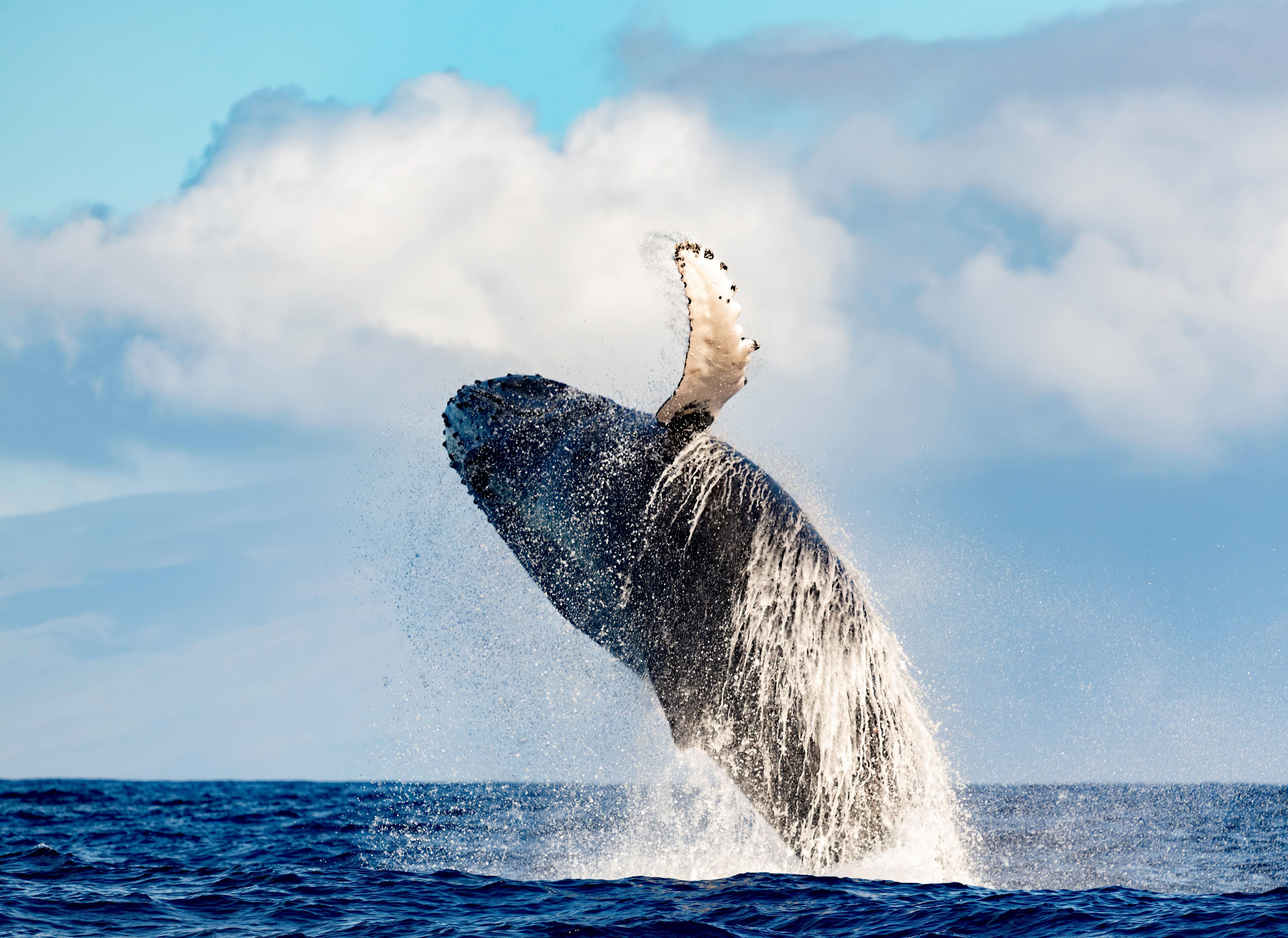
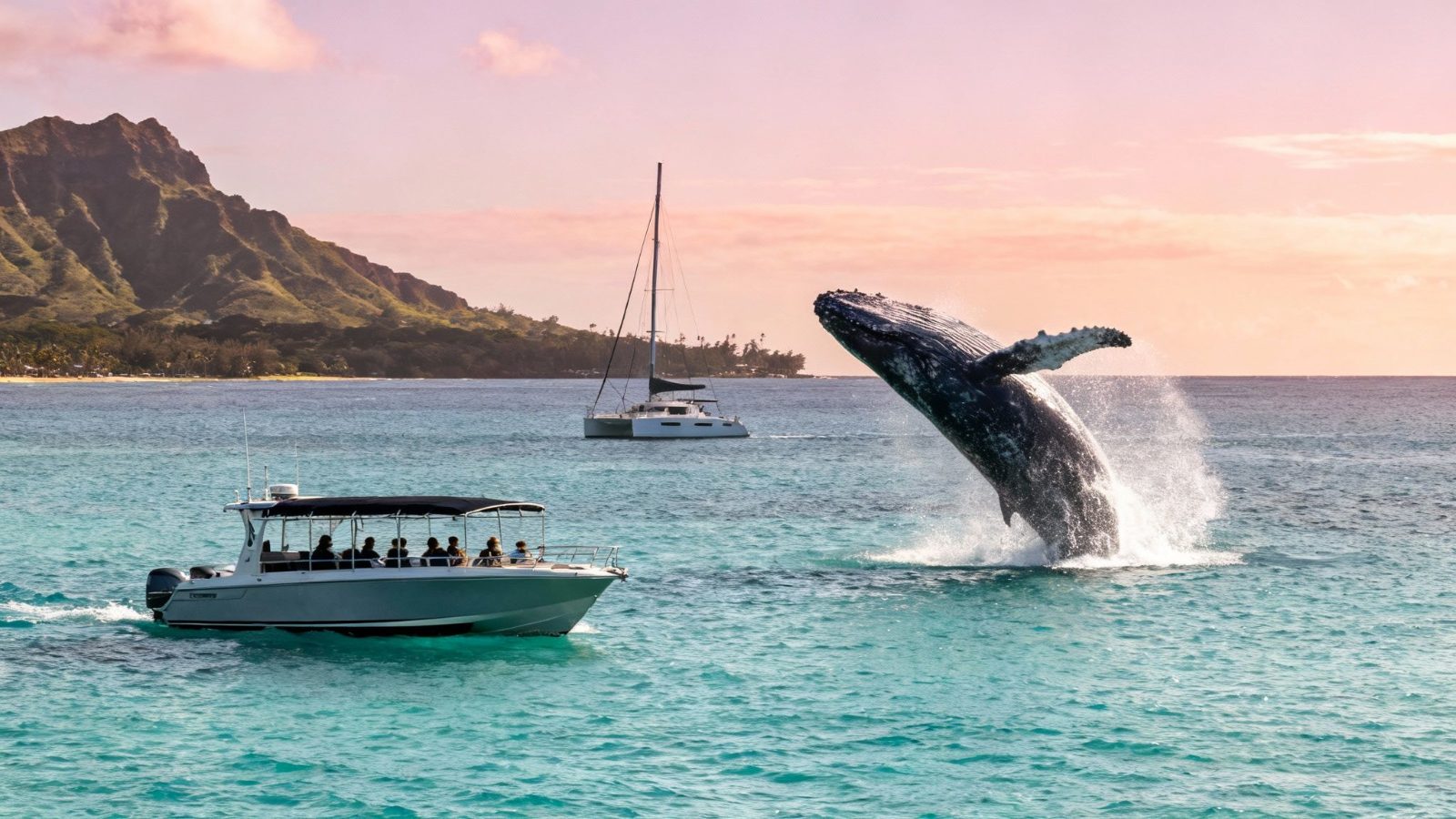
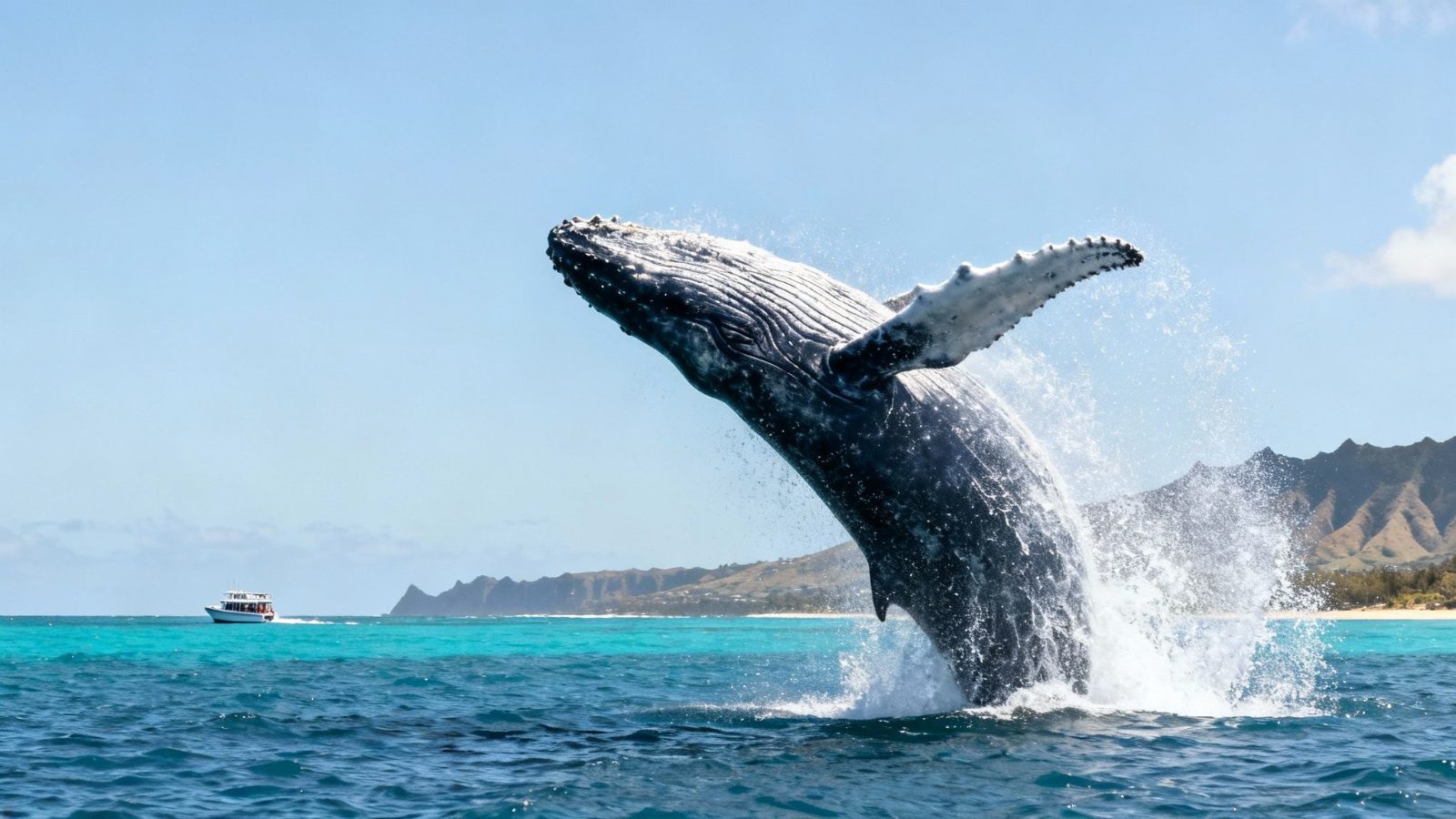
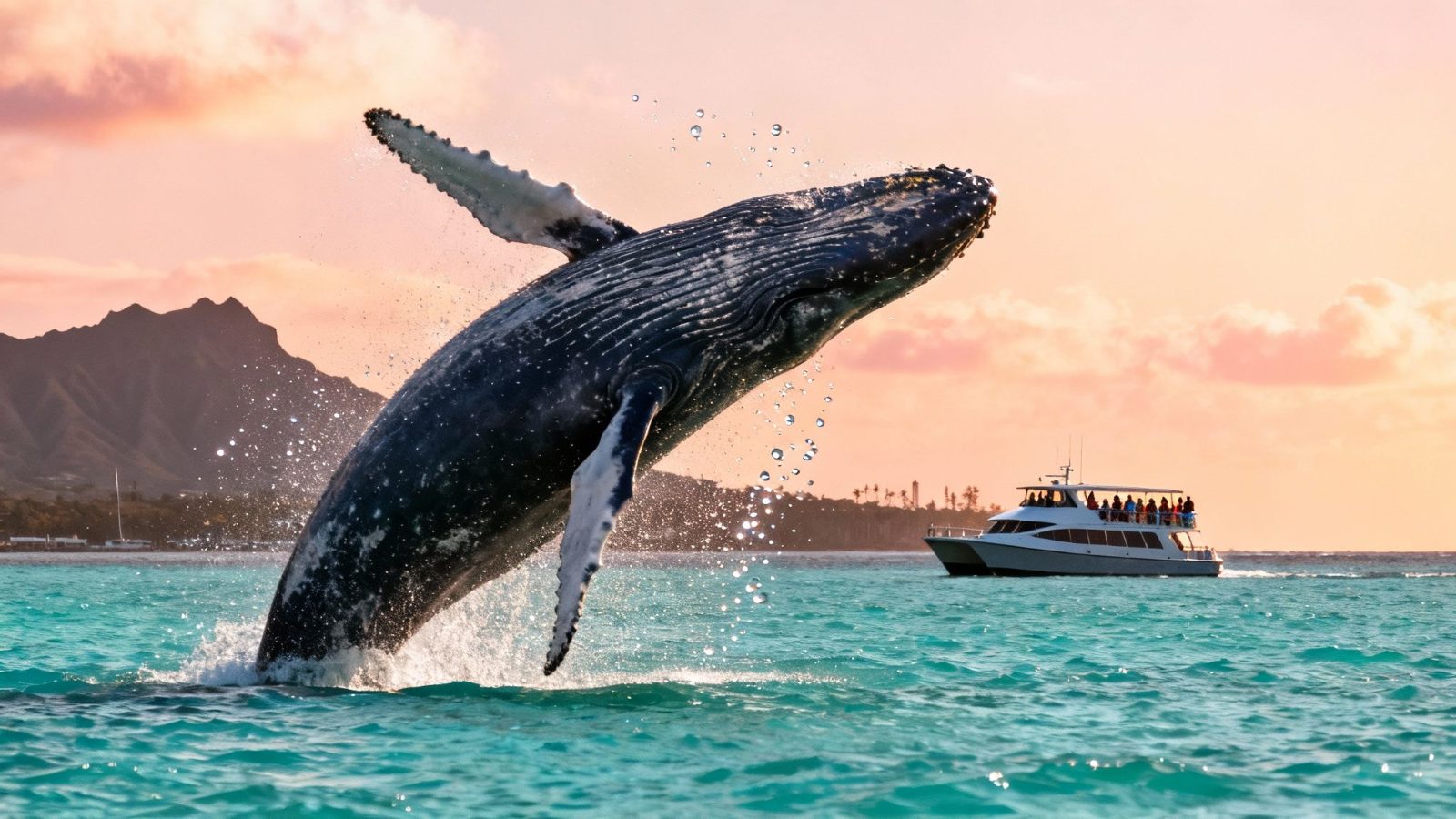
North Pacific humpbacks arrive each winter, breaching thirty feet from your bow
Compare fares, pick the fit — all bookings are mobile-voucher and eligible for free cancellation where shown.
1 hr 30 min
2 hr
2 hr
Selecting the right oahu whale watching tours involves balancing vessel size, group intimacy, and departure flexibility to ensure a memorable experience. Whether you prefer a large, stable cruise or a specialized small-group expedition, these oahu whale watching tours tickets provide access to the seasonal Pacific humpback migration.
| Large Vessel Cruise Stability & Amenities |
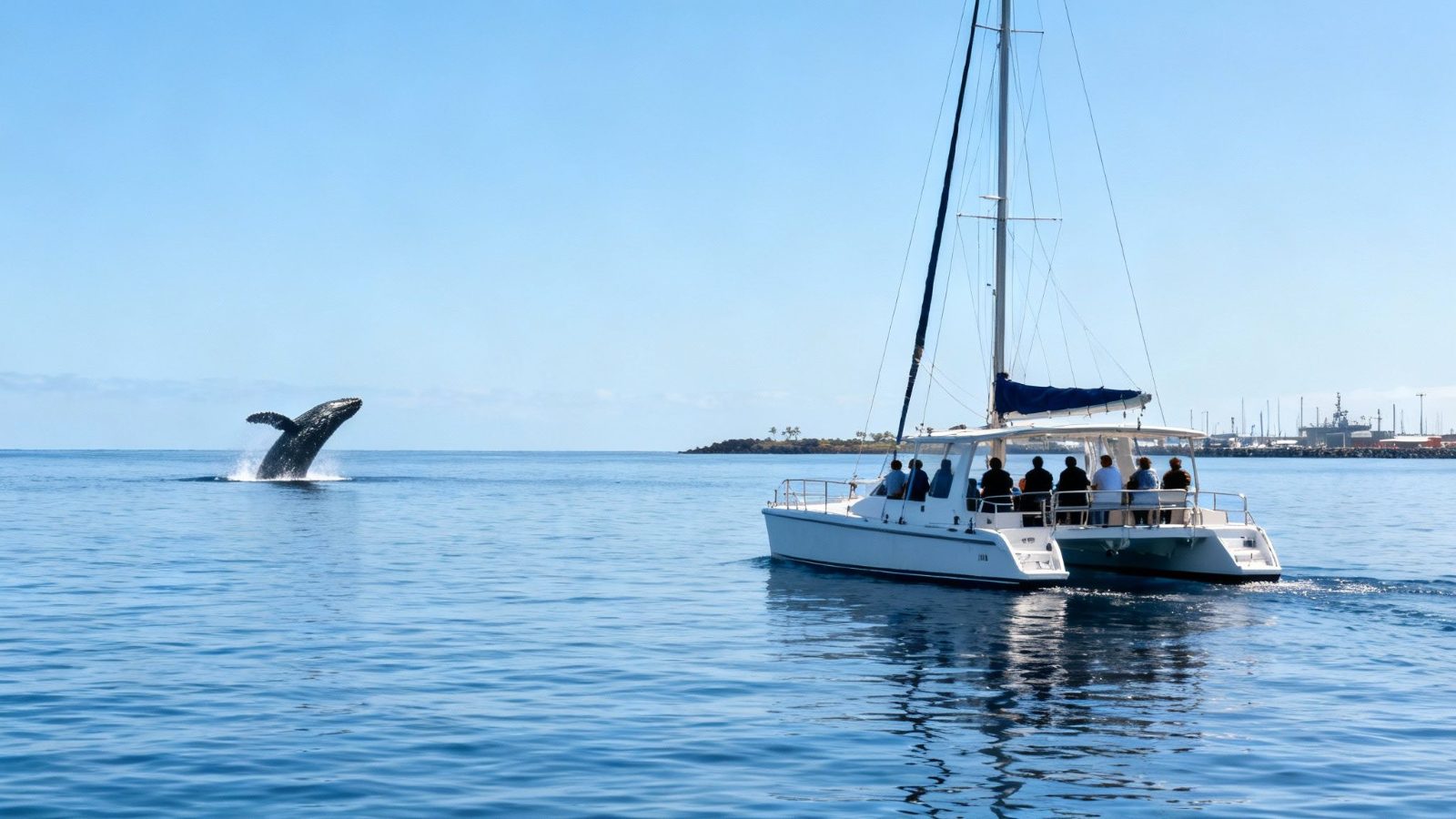
Top pick Intimate Catamaran Sail Open-Deck Viewing |
Small-Group Expedition Naturalist-Led Safari | |
|---|---|---|---|
| Vessel Type | 150ft Motor Yacht | 50ft Sailing Catamaran | 10-Guest Power Boat |
| Viewing Experience | Multi-level decks & windows | Open-air deck seating | Low-profile marine access |
| Typical Duration | 2 hours | 90–120 minutes | 3–6 hours |
| Sighting Policy | Guarantee / Re-ride | Guarantee / Re-ride | Expert-led tracking |
| Best for | First-timers & Families | Casual sightseers | Wildlife enthusiasts |
| See tickets & prices |
Verdict: For the most balanced experience, we recommend the Intimate Catamaran Sail as the optimal choice for your first oahu whale watching tours tour.
Worth it during winter humpback season only
Oahu whale watching tours deliver strong value between December and April, when humpback whales migrate through Hawaiian waters. Tours range from spacious catamarans with onboard naturalists to faster zodiac rafts that can reposition quickly when pods surface. Most operators report 80–90% sighting success during peak season (January through March), though no tour guarantees encounters. Catamaran cruises typically offer smoother rides and shade, making them better for families or those prone to seasickness, while smaller vessels provide closer proximity to breaching whales and acrobatic displays. The experience hinges on timing—book oahu whale watching tours during peak migration windows rather than shoulder months when sightings drop significantly. Tour prices reflect vessel type and amenities like hydrophones or refreshments, but the core value is access to open waters where humpbacks nurse calves and perform courtship behaviors. For visitors here only in summer or fall, the investment doesn't pay off; marine life tours focusing on dolphins or snorkeling make more sense outside whale season.
Bottom line: Book oahu whale watching tours between January and March for the best return on your investment, and match vessel type to your comfort priorities.
They complement each other, though most visitors who do both call boat-based oahu whale watching tours the more thrilling experience for up-close encounters.
|
Top pick Whale Watching Boat Tour |
Shore-Based Viewing | |
|---|---|---|
| Accessibility | Harbor departure required | |
| Wildlife proximity | High (100 yards minimum) | |
| Cost | 40 USD – 150+ USD | |
| Duration | 1.5–3 hours | |
| Seasonal availability | December–April | |
| Equipment | Binoculars/telephoto lens suggested | |
| Suitable for | Active wildlife seekers | |
| See tickets & prices |
Verdict: Choosing between oahu whale watching tours tickets and free land-based observation depends on whether you prioritize proximity to the humpbacks or the flexibility of your own schedule.
Hand-picked experiences loved by thousands of travelers
2 hours
Free Cancellation
Afternoon cruise from Wai'anae with guaranteed whale encounters and premium drinks aboard
2 hours
Free Cancellation
Spot humpback whales from a luxurious vessel while enjoying Hawaiian treats and cultural performances
2.5 hours
Free Cancellation
Witness majestic humpback whales in their Hawaiian breeding grounds aboard a modern vessel with expert guides
2 hours
Free Cancellation
Two-hour guided marine adventure with underwater viewing and sighting guarantee on Oahu's waters
2 hours
Free Cancellation
Two-hour ocean adventure aboard a spacious vessel with breakfast, expert commentary, and guaranteed whale sightings
2 hours
Free Cancellation
Two-hour ocean voyage aboard a modern trimaran to observe humpback whales breaching in Hawaiian waters
2.5 hours
Free Cancellation
Intimate marine wildlife tour along Waianae's coast with up to 6 guests during humpback migration season
2 hours
Free Cancellation
Watch humpback whales breach and play in Hawaiian waters during their winter breeding season
Check in at the designated harbor office
Safety briefing and boarding the vessel
Cruising to deep water search areas
Viewing marine life with onboard experts
Transit back to the harbor
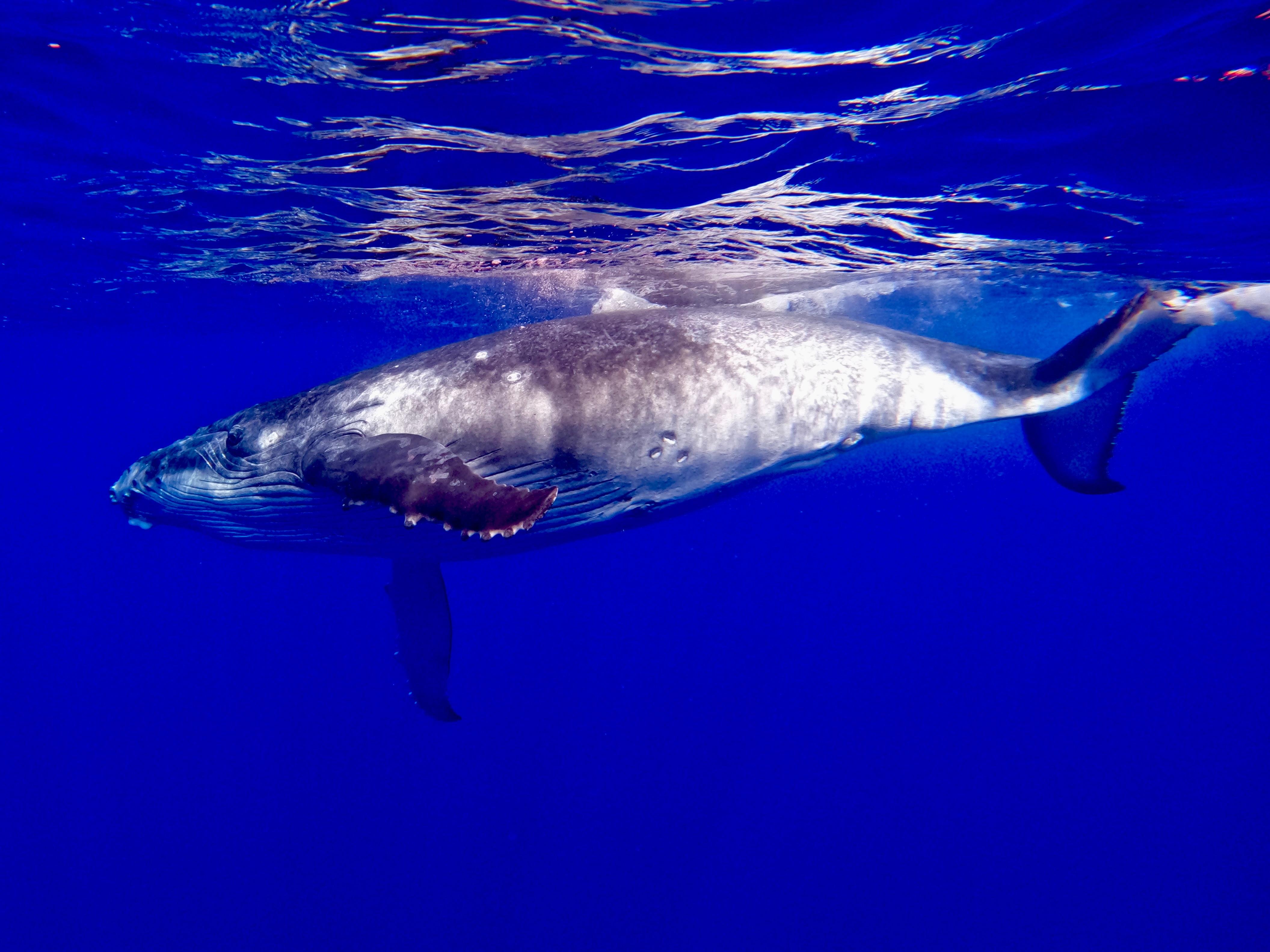
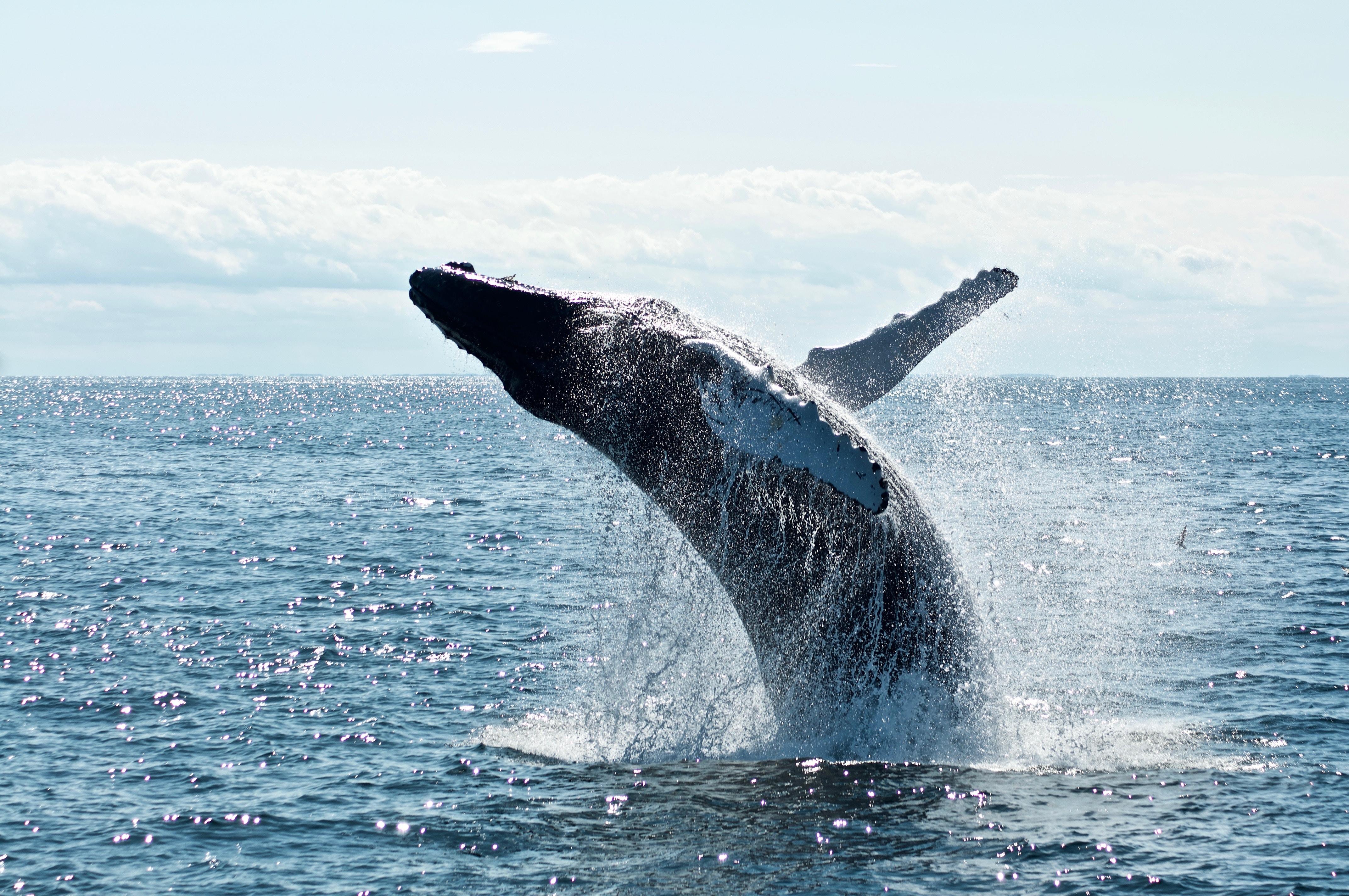
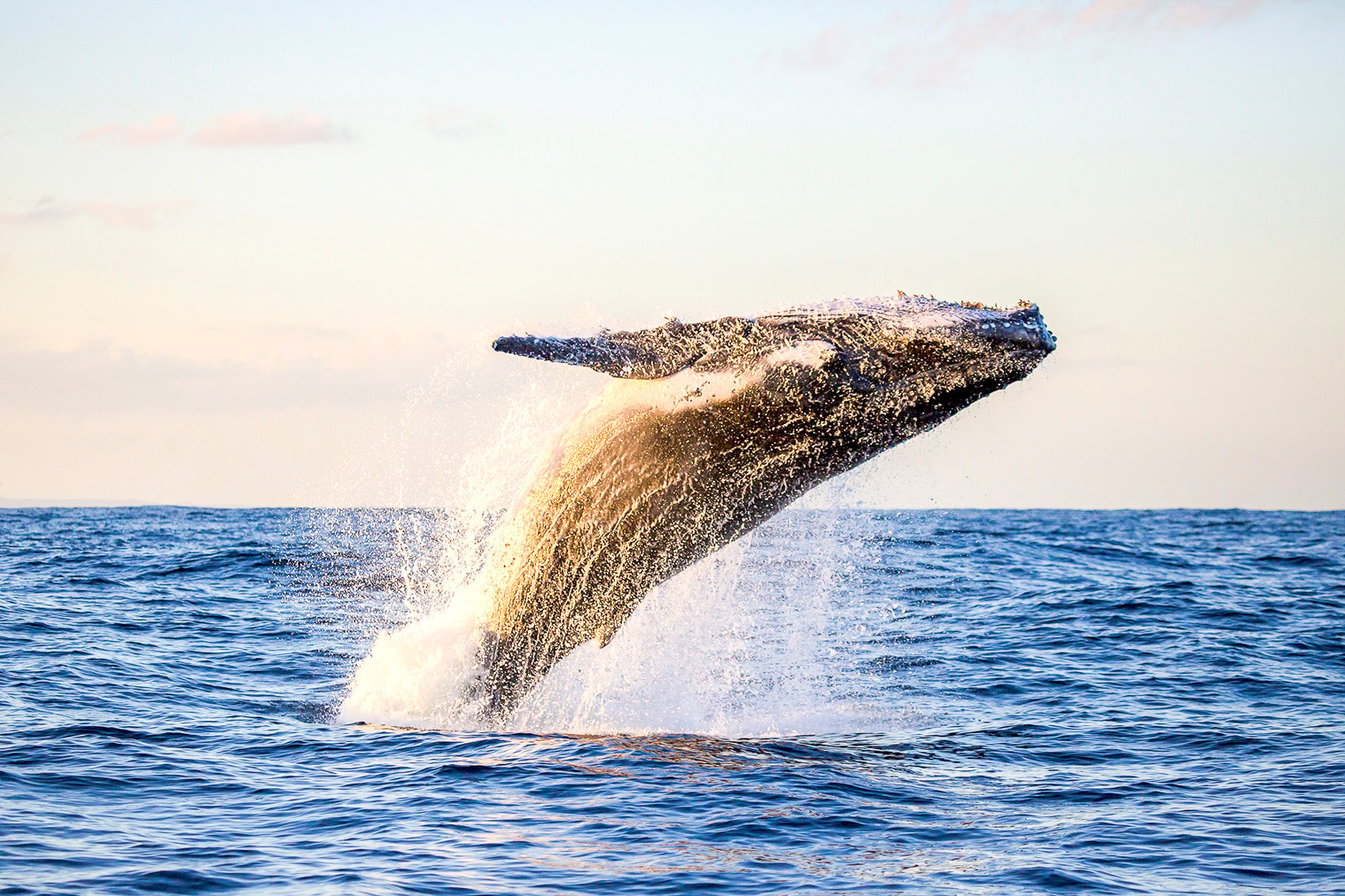
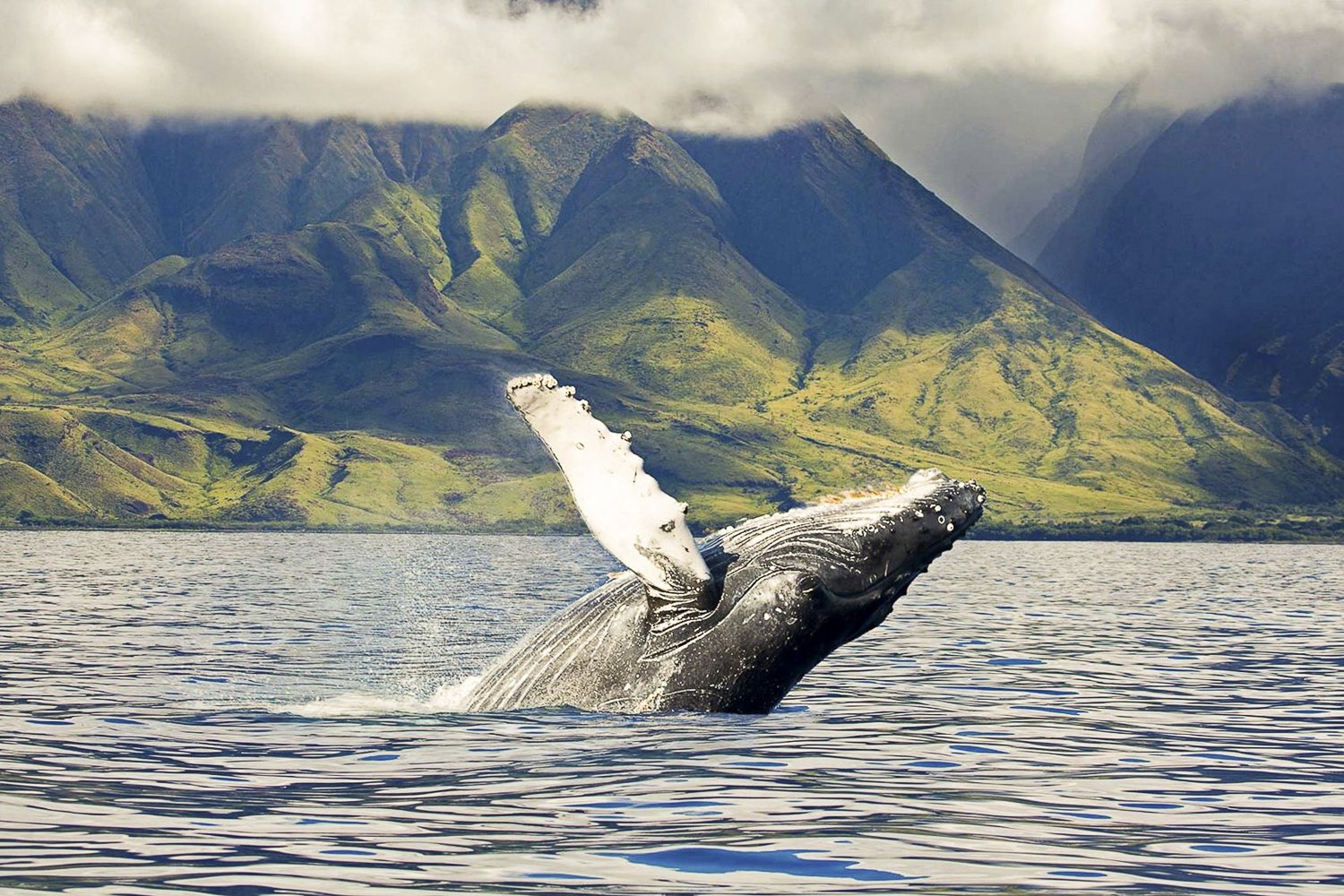
These majestic creatures migrate to Hawaii every year to mate and give birth in the warm waters, offering frequent sightings during the peak season. Experts often help identify individual behaviors like breaching and slapping.
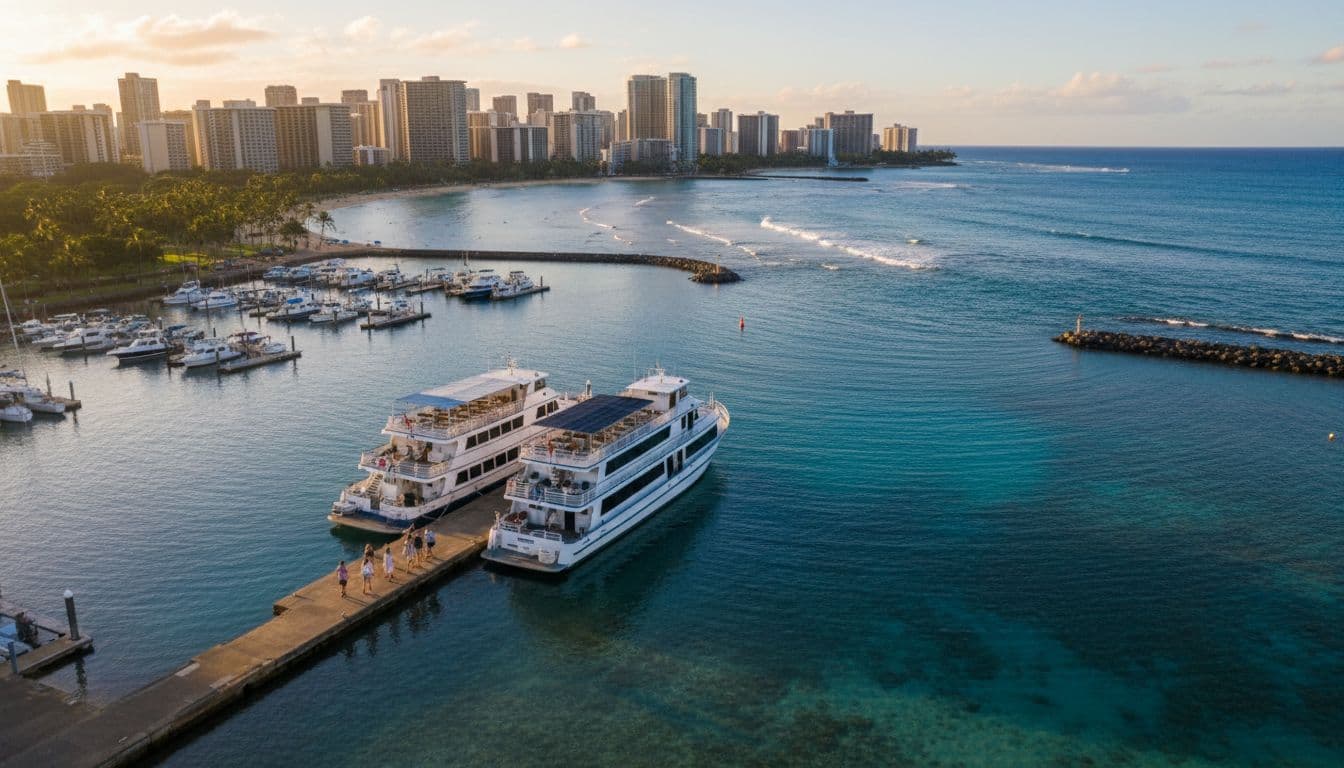
This central departure point serves as the gateway to many offshore adventures, providing easy access to deep water. It is a hub of activity with various vessels docking throughout the day.
Many tours feature onboard naturalists who provide scientific insights into whale behavior and conservation efforts in the Pacific. Learning about the ecosystem adds depth to your time on the water.
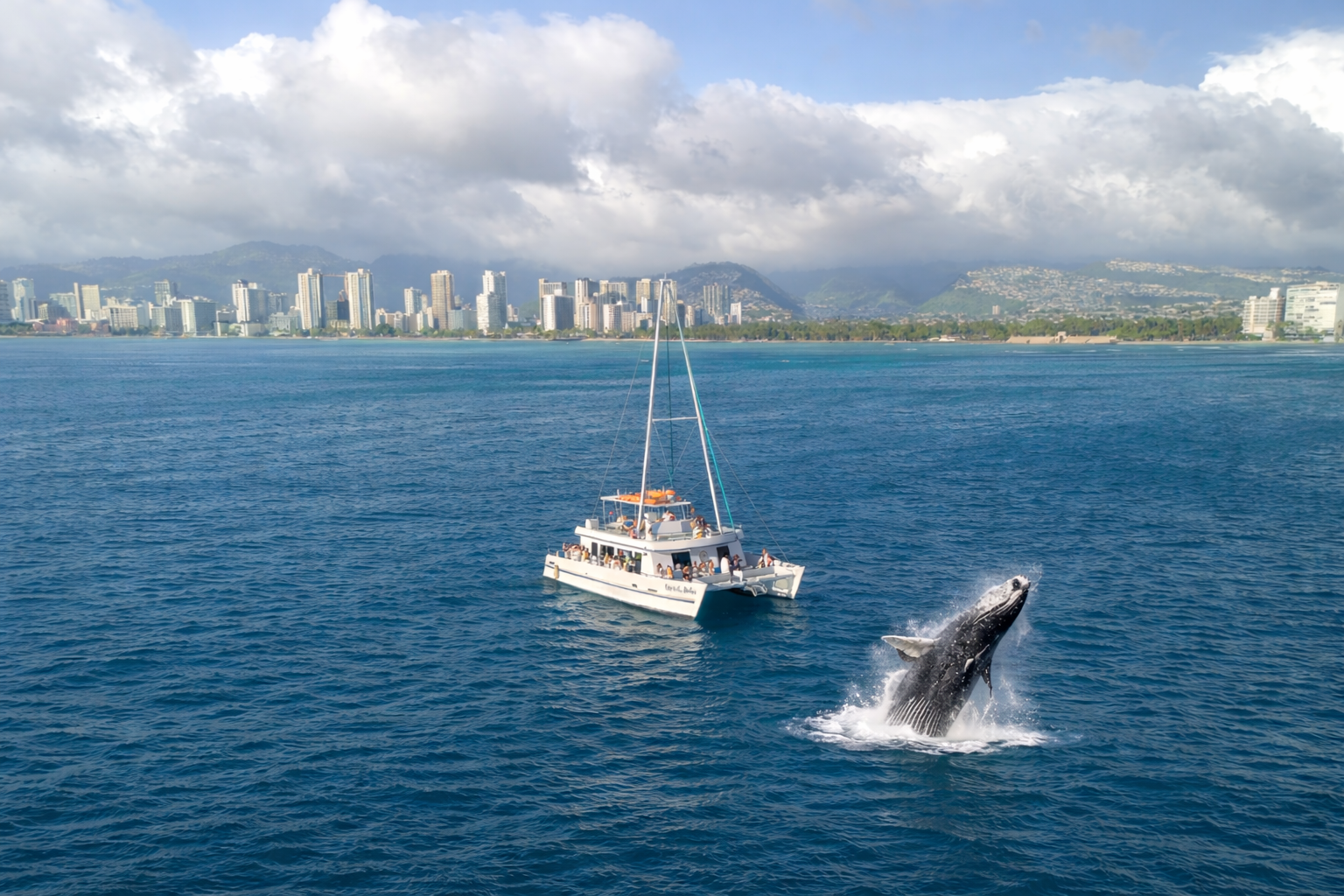
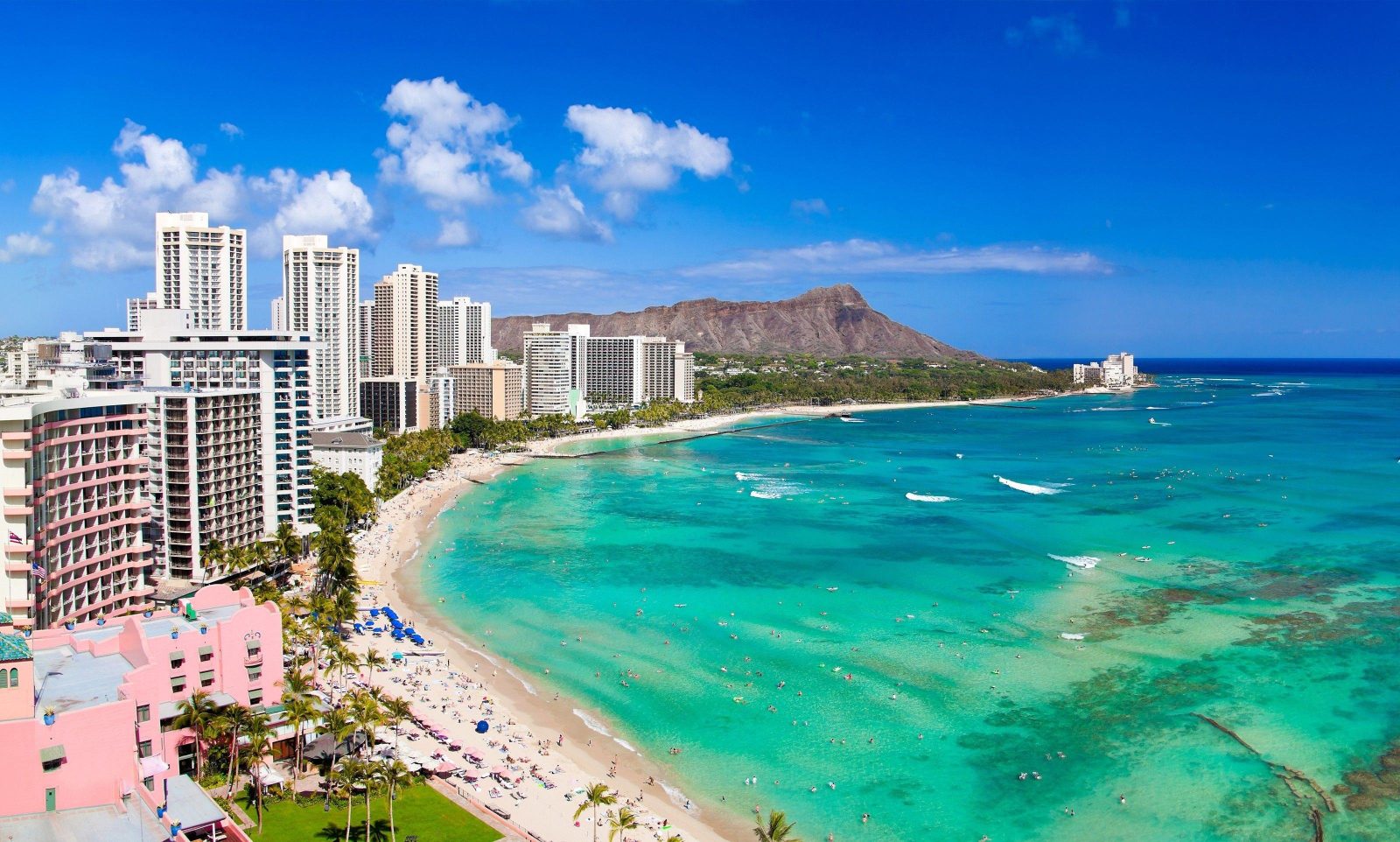
Cruising along the shoreline provides a unique perspective of the Honolulu skyline and the rugged mountain ranges of Oahu. The view from the water remains a highlight for many visitors.
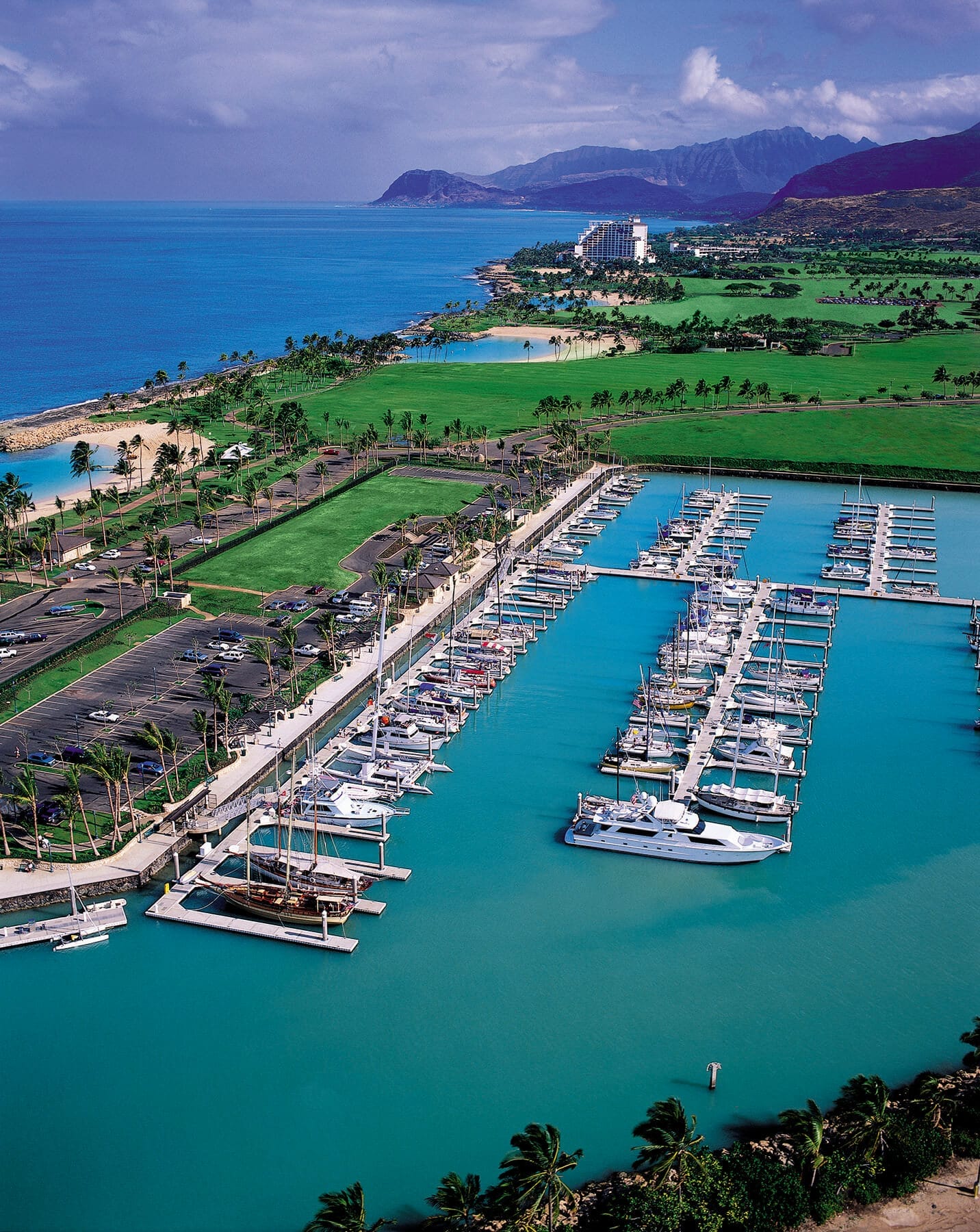
The harbors on the west side of the island offer a different cruising experience, often featuring clearer waters and opportunities to see dolphins and sea turtles. This area is less crowded than the primary Honolulu hubs.
You board your catamaran at Kewalo Basin as the 7:00 departure crew secures the dock lines. The twin hulls clear Waikiki's reef break within eight minutes, stabilizers reducing roll as the vessel turns southwest toward the Kaiwikapu Channel.
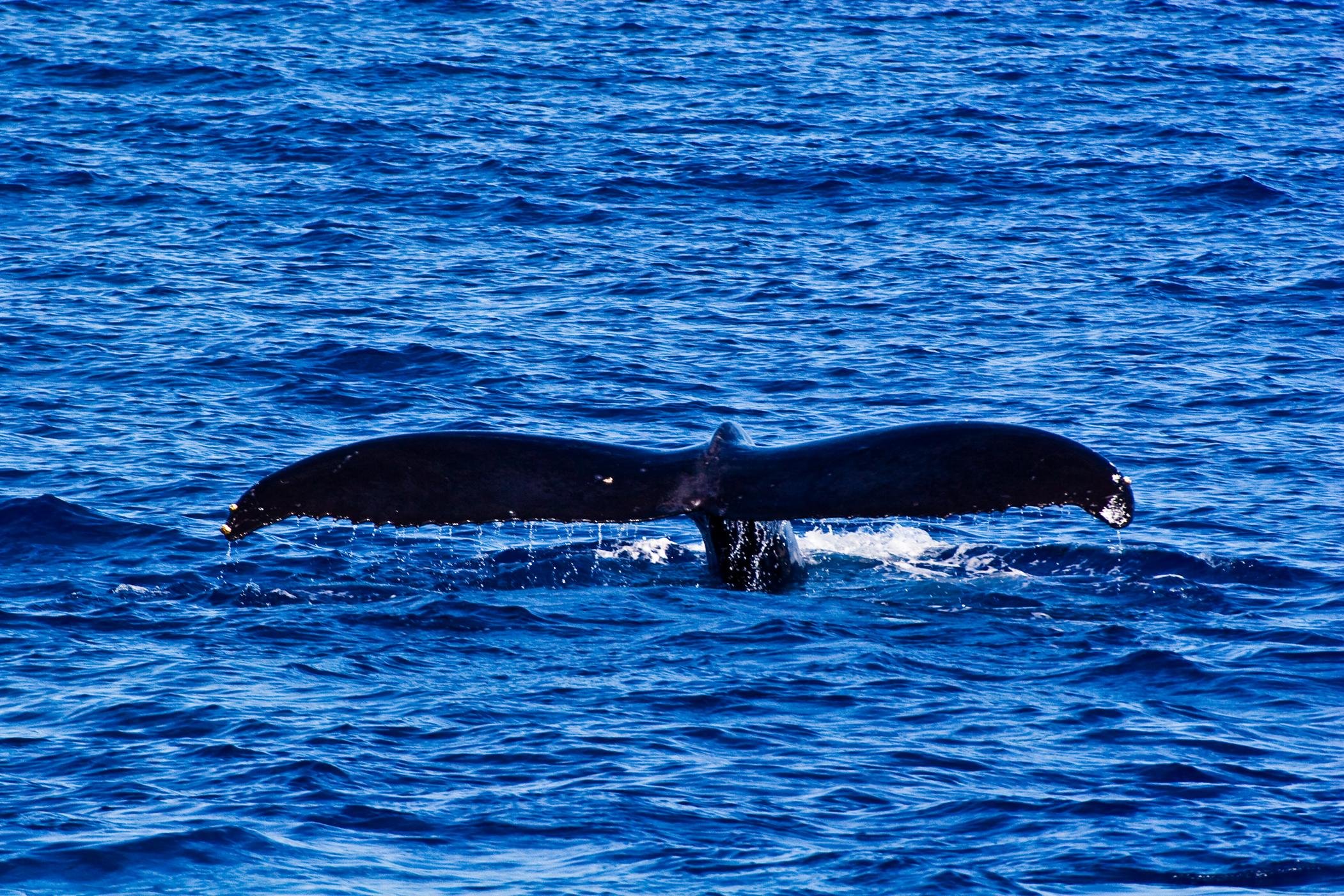
Your naturalist scans the horizon with binoculars, tracking a faint blow three degrees off the port bow. The captain cuts engines 150 yards from the surfacing pair—a cow and calf in tight formation. You watch the calf's smaller blow dissipate as the mother arches her back, her 15-foot fluke rising vertically before sliding beneath the surface. Hydrophones mounted below the hull amplify the male escort's song, a sequence of groans and high whistles cycling every 12 minutes.
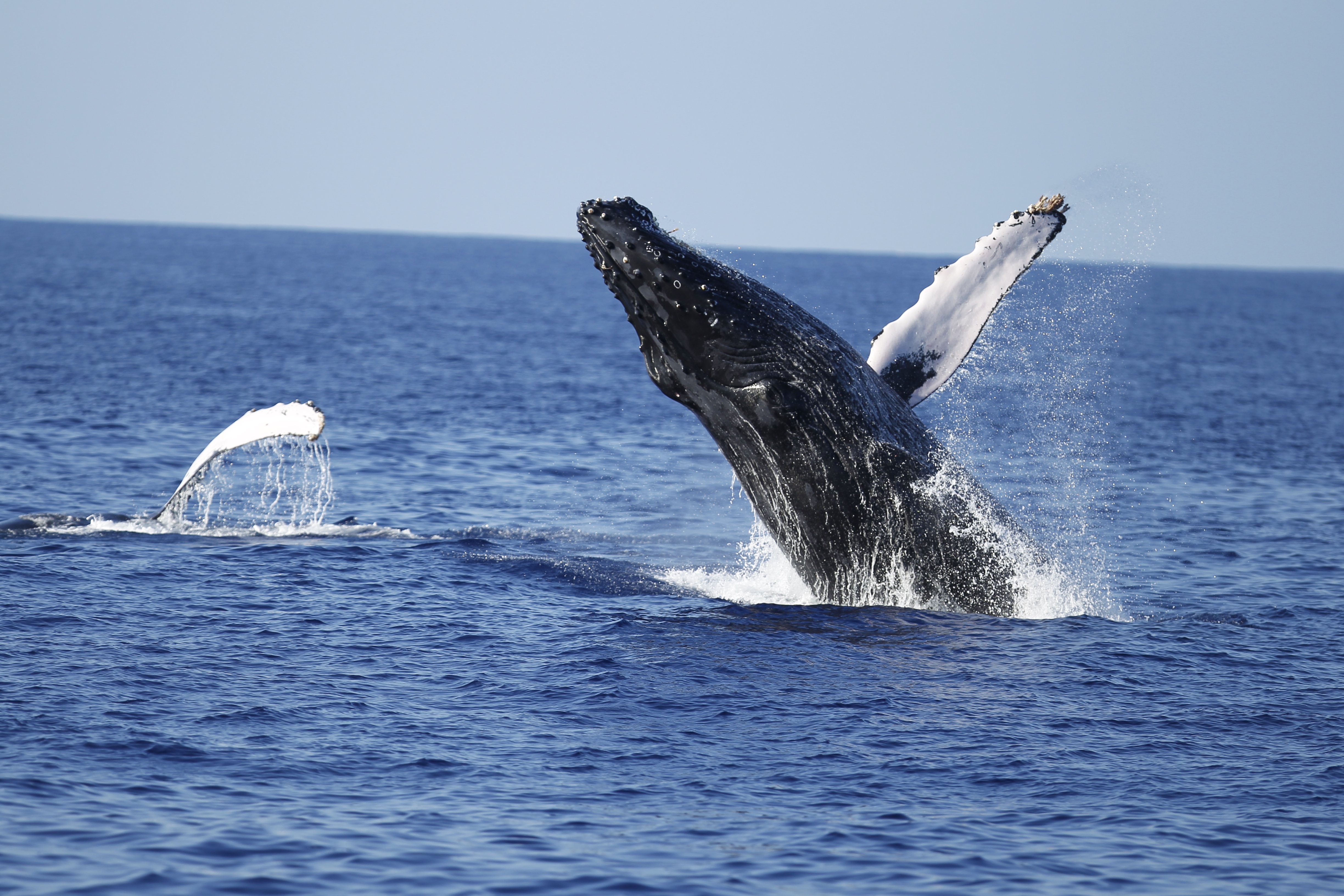
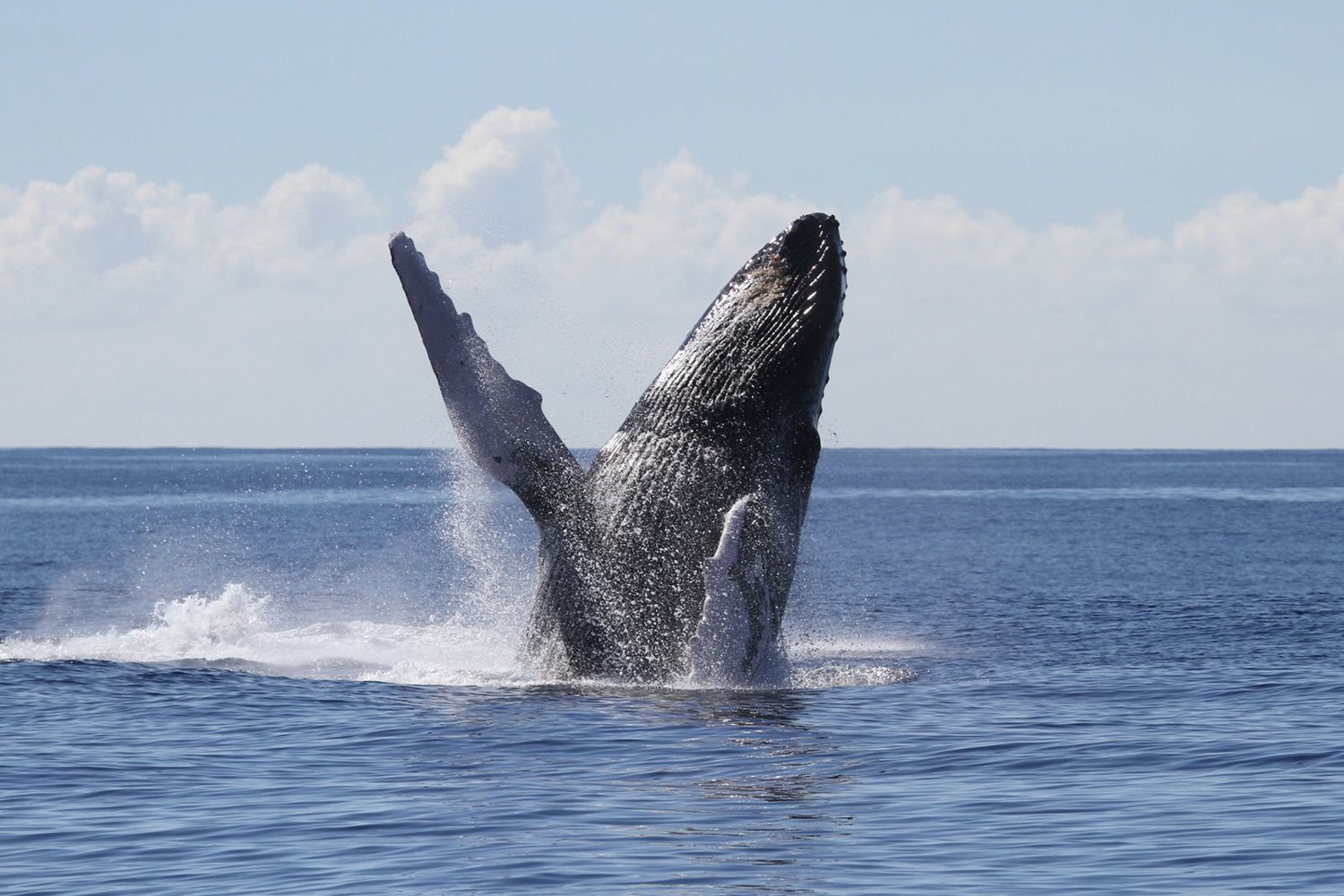
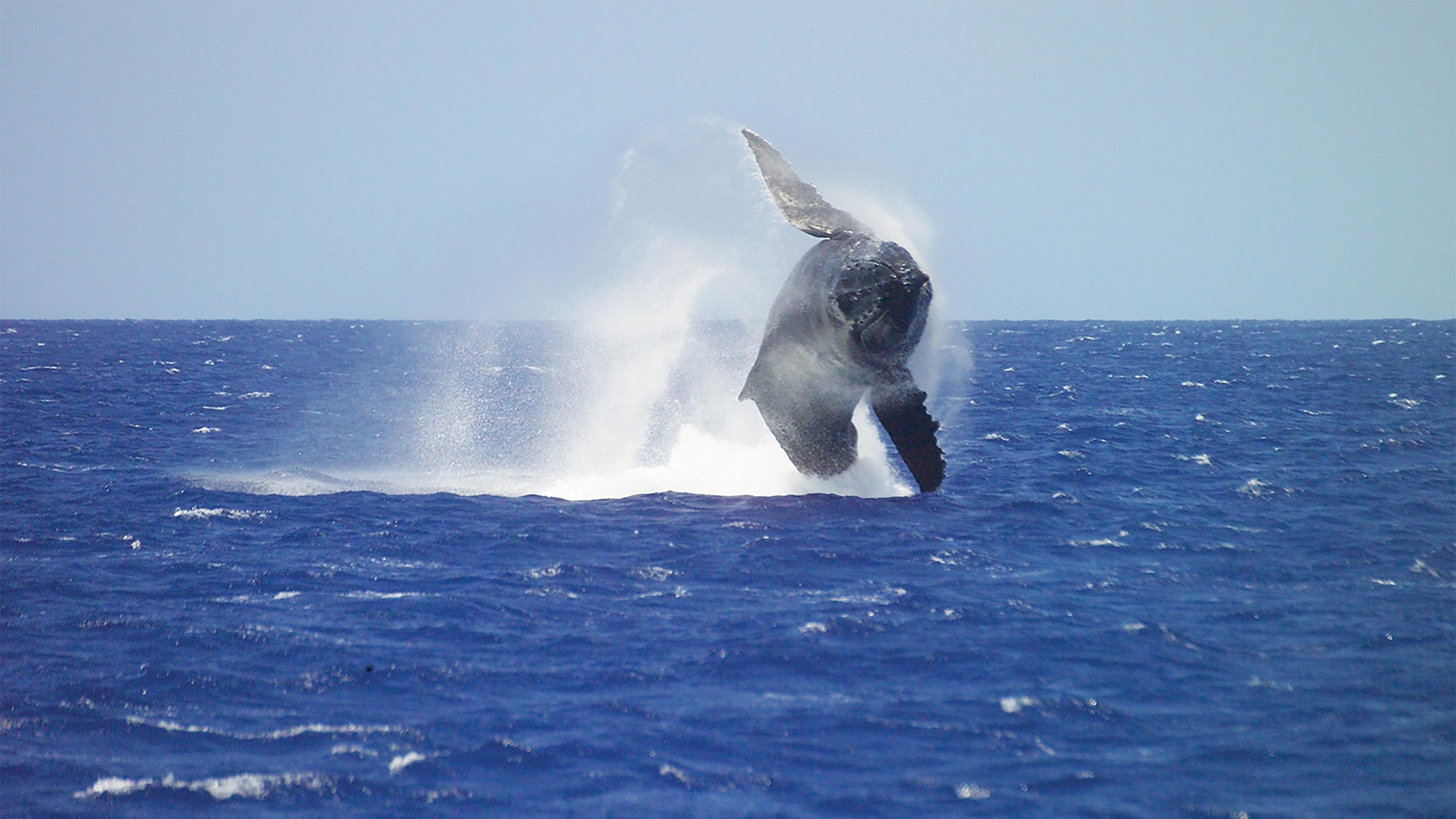
A competitive pod of four males surfaces 200 yards ahead, their synchronized blows creating a low mist across the water. One escort launches into a full breach, his 45-foot body clearing the surface before impacting sideways with a concussion you feel through the deck. The naturalist explains the dominance display, noting the scarring on the lead male's pectoral fins from previous encounters. You photograph the fluke patterns as each whale dives, the distinctive black-and-white markings unique as fingerprints. The catamaran repositions twice more over 90 minutes, logging eight separate sightings before turning back toward Honolulu. Spinner dolphins appear off the starboard bow during the return transit, their aerial rotations distinct from the humpbacks' slower movements.
All the details about your upcoming adventure in one place
Every winter, North Pacific humpback whales complete a 3,000-mile migration from Alaskan feeding grounds to the warm shallow waters surrounding the Hawaiian Islands. Between December and April, an estimated 10,000 humpbacks arrive in Hawaiian waters to breed, calve, and nurse their young.
The sheltered channels between Oahu's western coast and neighboring islands create ideal calving conditions, with water temperatures near 75°F and depths between 600 and 1,200 feet. Marine biologists first documented the annual migration pattern in the 1970s, leading to the establishment of the Hawaiian Islands Humpback Whale National Marine Sanctuary in 1992. The sanctuary protects 1,400 square miles of ocean habitat across the archipelago.
Oahu whale watching tours depart from multiple harbors along the island's southern and western coasts. Waikiki operators launch from Kewalo Basin, offering direct access to the Kaiwikapu Channel where humpbacks concentrate during peak season. West Oahu departures from Waianae Harbor position vessels closer to the Kaiwi Channel, a primary migratory corridor between Oahu and Molokai. Tour vessels range from 50-passenger catamarans with hydrophones for underwater vocalizations to smaller sailing craft accommodating 20 guests. Federal regulations mandate 100-yard approach distances, though breaching whales frequently surface within 30 feet of stationary boats. Naturalists aboard most expeditions provide real-time behavioral interpretation, distinguishing competitive pods of male escorts from mother-calf pairs and identifying individual whales through fluke photography.
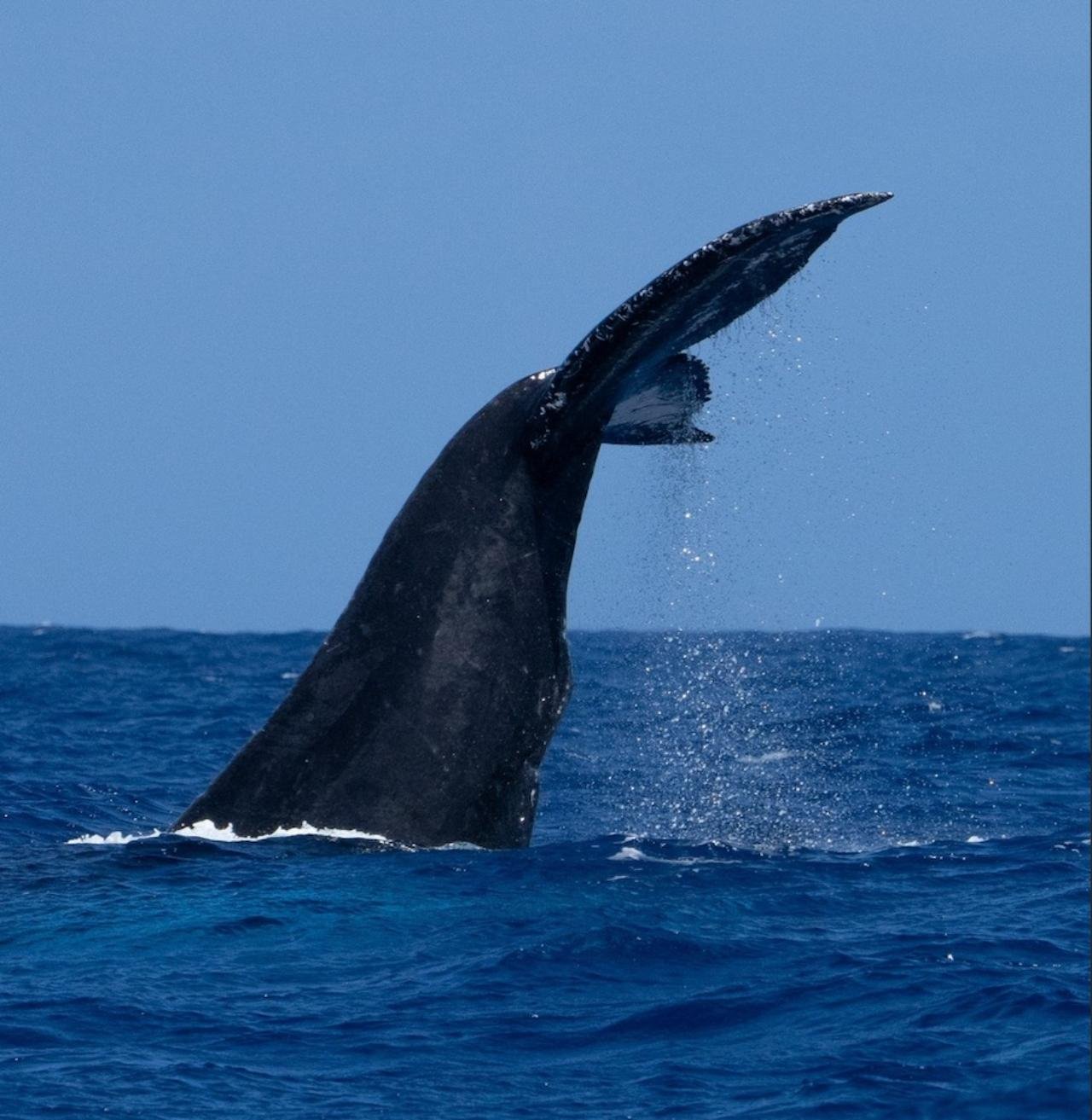
Humpback behaviors visible from Oahu include peduncle throws, where a 40-ton whale rotates its body to slap the water surface with its tail stock, and pectoral fin slaps audible from a quarter-mile away. Males produce complex songs lasting 10 to 20 minutes, repeated for hours during daylight. Researchers recorded one song sequence that evolved continuously over eight consecutive seasons, suggesting cultural transmission across the population. Calves born in Hawaiian waters measure 12 to 14 feet at birth and gain 100 pounds daily during their first months, nursing on milk with 45 percent fat content. Mother-calf pairs remain in protected bays for six to eight weeks before beginning the northward journey in April. Surface intervals between dives typically last three to five minutes for adults, providing reliable sighting windows. Calm morning conditions between 7:00 and 10:00 offer optimal visibility, with glassy water surfaces revealing blows from two miles away. Afternoon trade winds create surface chop that obscures distant whale activity, though breaching remains visible in moderate seas.
Federal regulations mandate 100-yard approach distances, though breaching whales frequently surface within 30 feet of stationary boats.
Wear light, breathable clothing and a windbreaker or light jacket, as temperatures can drop significantly while out on the water. Non-slip, rubber-soled footwear is recommended for safety on boat decks.
Keep belongings minimal, as most vessels provide limited dry storage. Secure all loose items to prevent them from falling overboard during Oahu whale watching tours.
Bring a camera with a zoom lens to capture marine life from a distance. Ensure your gear is protected from salt spray and keep batteries fully charged.
Operators often require life jackets for children, which are typically provided on board. Supervision is essential at all times during these excursions.
Accessibility on Oahu whale watching tours varies significantly by boat size and harbor infrastructure. Guests with mobility concerns should verify deck access and boarding requirements directly with their chosen provider.
Hydration is important, so bring your own refillable water bottle unless provided by the tour. Some operators include snacks or beverages, but check your booking details first.
Opening Hours
07:00–18:00
Address
Various departure points in Honolulu, Waikiki, and West Oahu harbors
Accessibility
Varies by vessel; contact individual operator for specifics
Best Window
07:00–17:00
Storage
Limited space on most boats
Navigation
Confirm specific pier location upon booking
Public transport · Varies · Low cost
Use TheBus to reach major harbors in Honolulu or Waikiki
Car · Varies · Parking fees apply
Parking is available at major marinas but fills quickly during peak hours
Most Oahu whale watching tours allow free cancellation if requested at least 24 to 48 hours before departure. Refunds are subject to the policies of the independent tour operator and do not include the 0 USD entrance fee as individual tour costs vary.
Recommended time
1.5-2.5 hours
Most oahu whale watching tours require about two hours on the water to reach deeper channels where humpback activity is frequent. Early morning departures are generally preferred, as calmer sea conditions often provide better visibility for spotting marine life during your boat excursion. When booking your oahu whale watching tours tours, consider that selecting early oahu whale watching tours tickets allows for a smoother ride, whereas afternoon trips may experience choppier currents. Please note that as a site with various departure points in Honolulu, Waikiki, and West Oahu harbors, checking in 30 minutes prior to your scheduled oahu whale watching tours tour is standard practice.
Crowd levels through the day
Weather · crowds · average price — dots go green to amber to red as each metric rises.
Peak season for humpback whale migrations, typically starting in December and lasting through April.
Final weeks of the whale watching season offer warmer weather but fewer sightings as whales begin their northern migration.
Focus shifts to other marine life like dolphins and sea turtles as the humpback migration concludes.
Waters are generally calm, providing excellent visibility for general marine life cruises before the whale season begins.
Review marine forecasts the evening before your Oahu whale watching tours excursion to prepare for sea conditions. Calm seas lead to the most comfortable experience.
Commercial whale watching tours on Oahu emerged in the late 1970s, when marine biologists and dive operators began chartering boats during the winter humpback migration season. The first documented passenger excursions departed from Kewalo Basin in 1979, offering researchers a revenue stream to fund fieldwork while introducing tourists to the North Pacific humpback population that travels from Alaska to Hawaiian waters each November through May. By 1983, three Honolulu-based operators had established seasonal schedules, capitalizing on growing environmental awareness and the passage of the Marine Mammal Protection Act a decade earlier. The industry transformed in 1992 when Congress designated Hawaiian waters as the Hawaiian Islands Humpback Whale National Marine Sanctuary, imposing 100-yard approach limits and prohibiting vessel speeds above fifteen knots in sanctuary zones. Operators adapted by investing in hydrophones and deploying naturalists trained to interpret whale behavior from respectful distances. West Oahu harbors—particularly Waianae—gained popularity in the early 2000s as departure points closer to deep-water channels where whales congregate. A 2006 collision between a private speedboat and a mother-calf pair near Diamond Head prompted stricter enforcement and mandatory captain certifications for oahu whale watching tours, reducing incidents by seventy percent within two years. The 2010s brought technological refinement. GPS tracking and real-time sighting networks allowed captains to locate pods efficiently without extended search patterns. Catamarans replaced older monohulls, offering stable platforms for photography and reducing seasickness complaints. Hurricane Lane in August 2018 damaged berthing infrastructure at Honolulu Harbor, temporarily shifting oahu whale watching tours tickets sales toward smaller Haleiwa and Kaneohe operators. Today's fleet consists of purpose-built vessels equipped with underwater cameras and bow-mounted listening stations, operating under protocols shaped by four decades of evolving marine stewardship and visitor expectations.
First commercial passenger whale watching excursions depart from Kewalo Basin in Honolulu.
Three Honolulu operators establish regular seasonal schedules for humpback observation trips.
Congress designates Hawaiian waters as a humpback whale sanctuary with mandatory vessel distance rules.
Waianae Harbor emerges as a popular departure point closer to deep-water whale congregation areas.
Mandatory captain certifications introduced after a collision incident reduces whale strikes by seventy percent.
GPS sighting networks and catamaran conversions modernize the oahu whale watching tours fleet.
Hurricane Lane damages Honolulu Harbor infrastructure, temporarily redistributing tour operations to outer harbors.
Position yourself at the end of the breakwater to capture the departure of oahu whale watching tours against the backdrop of the Honolulu skyline. This angle provides a clean horizon line for tracking marine activity.
Stand near the waterline to frame humpback whales breaching with Diamond Head in the distance. This vantage point relies on long lenses to capture distant migratory behavior.
Capture the arrival of oahu whale watching tours as they return to the protected lagoons of the west coast. The calm, turquoise water makes for a clear contrast with the hull of the vessel.
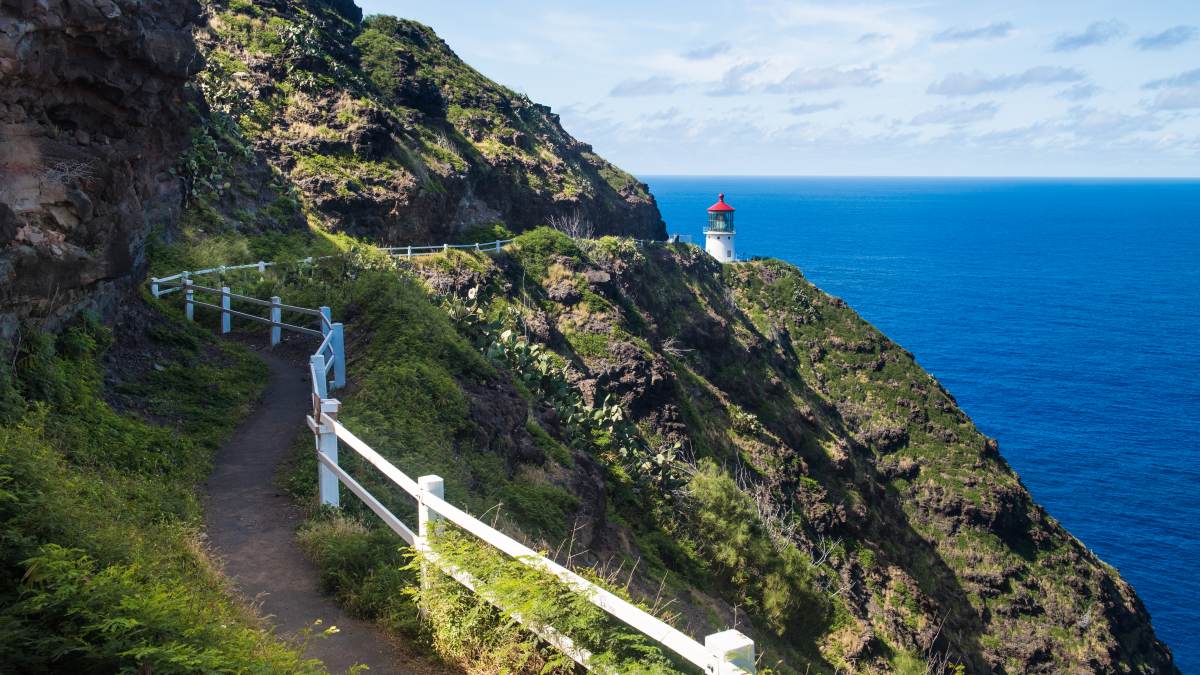
Though high above the water, this lookout offers a vantage point to document the Pacific Ocean expanse where these whale excursions often transit. Use a tripod to stabilize shots of the coastline.
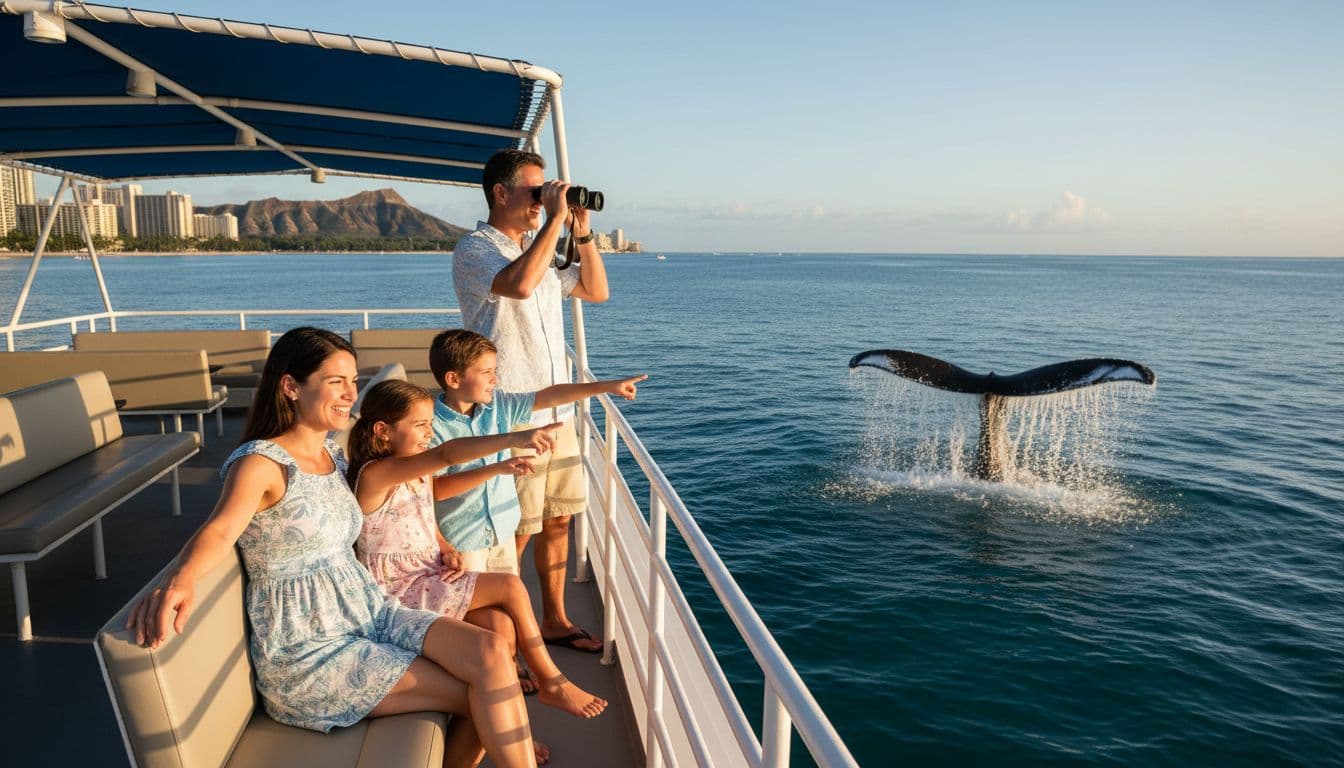
Planning a day on the water requires preparation for young passengers who may be sensitive to ocean swells. Taking oahu whale watching tours provides an opportunity to spot humpbacks from Honolulu, Waikiki, and West Oahu harbors.
Most vessels have limited deck space and do not allow full-size strollers, so consider a compact carrier for infants. Please check if your specific oahu whale watching tours tour operator allows foldable units before arriving.
Smaller catamarans offer a bumpy ride that can be difficult for children, while larger vessels typically provide more stability. If your family is prone to seasickness, choose a vessel with indoor cabin seating and consult a doctor regarding oahu whale watching tours tickets for motion sickness medication.
Boats often have basic beverage service, but packing familiar snacks is wise for managing hungry toddlers during transit. Ensure you bring reusable water bottles to stay hydrated while observing marine life from the observation deck.
Many companies welcome all ages, though some set minimums for specific high-speed inflatable boats. Review the provider guidelines for your chosen oahu whale watching tours tours to ensure the vessel's safety equipment fits your smallest travelers.
Visitors embarking on oahu whale watching tours will find that most harbors rely on nearby waterfront establishments rather than on-site dining. Planning your meal before or after these marine excursions is easy, as many harbors are located steps away from popular Honolulu dining districts.
Specializes in fresh poke bowls and grilled fish plates perfect for a pre-trip meal. It gets busy during lunch, so arrive early for the best selection of local catches.
This spot offers quick Kona coffee and acai bowls, which are ideal for guests holding oahu whale watching tours tickets. It serves as a convenient stop if you need a light breakfast before boarding.
Located near major piers, this venue provides a calm atmosphere for a sit-down meal after finishing your oahu whale watching tours tour. It is a suitable place to relax and review your photos of the humpback migration.
A classic waterfront option for those returning from various oahu whale watching tours tours across the island. The outdoor seating provides a relaxing environment to enjoy regional cuisine while discussing the day’s sightings.
Everything you need to know for your journey
Oahu whale watching tours operate daily from 07:00–18:00, with departure times set by individual operators. It is recommended to check specific tour schedules upon booking.
It is highly recommended to purchase Oahu whale watching tours tickets in advance online to ensure availability, as walk-ups are rarely accommodated.
Accessibility depends on the specific vessel; please contact your chosen operator to ensure their boat can accommodate your needs before buying tickets.
It is advisable to take motion sickness medication at least one hour before your tour begins to ensure you can enjoy the experience comfortably.
The best time for Oahu whale watching tours is during the humpback whale migration season, which generally runs from December through April.
Cancellation policies vary by operator, but most offer refunds if you notify them 24–48 hours in advance of your Oahu whale watching tours tour.
While some tours include light snacks, you are usually welcome to bring your own non-alcoholic beverages and small, sealed snacks on board.
Yes, photography is encouraged on all Oahu whale watching tours; just ensure you have a strap for your camera to keep it secure around your neck.
Yes, children are welcome on most Oahu whale watching tours, but they must be supervised at all times and fit into the provided life jackets.
A scenic peninsula with walking paths and ocean views
Extensive beachfront park ideal for relaxing after your tour
Cultural landmark showcasing Hawaiian history and science
The only royal palace on US soil offering rich historical context
Wide range of high-end resorts and boutiques
Convenient urban base for harbor access
High-end stays near West Oahu departure points
Join thousands of happy travelers who have discovered this incredible experience
Book Your Experience Now