English| EUR
Suggested for you
More currencies
Book Now
Open today · 08:00–17:00

Honolulu Whale Watching Tour

Honolulu Whale Watching Tour — Humpback Season Departures

Catamaran and glass-bottom cruises from Kewalo Basin, November through May

50K+ travelers chose this
Free Cancellation
Right now: Moderate — autumn shoulder season Calm seas expected today for your honolulu whale watching tour.
Free Cancellation
Free cancellation Instant confirmation Mobile voucher Verified partner Book now, pay later
0 USD
Entrance fee
Free entry to harbor area
08:00–17:00
Opening hours
Daily operating schedule
08:00–10:00
Best arrival
Calmer seas and better visibility
1125 Ala Moana
Address
Kewalo Basin Harbor location
Choose your ticket

Honolulu Whale Watching tickets at a glance

Compare fares, pick the fit — all bookings are mobile-voucher and eligible for free cancellation where shown.

Oahu Humpback Whale Watching Cruise 1 hr 30 min
Standard Entry

Oahu Humpback Whale Watching Cruise

4.5 (115)
$57
  • Entry ticket
  • Mobile voucher
  • Valid same day
  • Free cancellation
Book this ticket
Waikiki Glass Bottom Whale Watching Cruise 2 hr
Standard Entry

Waikiki Glass Bottom Whale Watching Cruise

4.1 (31)
$58
  • Entry ticket
  • Mobile voucher
  • Valid same day
  • Free cancellation
Book this ticket
Compare options

Compare Honolulu Whale Watching ticket options

Selecting the right honolulu whale watching tour depends on whether you prefer the social atmosphere of a larger vessel or the intimate, fast-paced nature of a smaller catamaran. These excursions provide seasonal access to witness humpback whale migrations, with departures conveniently located at Kewalo Basin Harbor.

Top pick
Large Vessel Cruise Stability & Views
Small Group Catamaran Intimate & Swift
Vessel Type Sailing Catamaran
Departure Location Kewalo Basin Harbor
Sighting Policy Guarantee / Re-ride Policy
Best Arrival Window 08:00–10:00
Viewing Areas Open-deck sailing space
Best for Wildlife enthusiasts & Photographers

Verdict: For a comfortable and stable experience, choose the large vessel honolulu whale watching tour tickets, while thrill-seekers should opt for the catamaran tour.

Is a Honolulu Whale Watching Tour Worth the Cost

Worth it during winter whale season only

A honolulu whale watching tour delivers genuine value between December and April when humpback whales migrate to Hawaiian waters, but becomes pointless outside that window. Basic cruises departing from Kewalo Basin Harbor start around moderate pricing for 2–3 hour excursions with marine naturalist narration, while premium catamaran options add snorkeling with sea turtles and onboard hula performances. The glass bottom whale watching cruise offers underwater visibility without getting wet—useful for those prone to seasickness. Sighting rates peak in February and March when mother-calf pairs frequent the Au'au Channel, though no operator guarantees encounters. Budget-conscious travelers can spot breaches from Makapuu Lighthouse Trail for free, but honolulu whale watching tour tours provide closer proximity and expert interpretation that shore viewing cannot match. If you visit during summer months, skip the whale-focused bookings entirely and choose dolphin encounter alternatives instead.

What makes it worth it

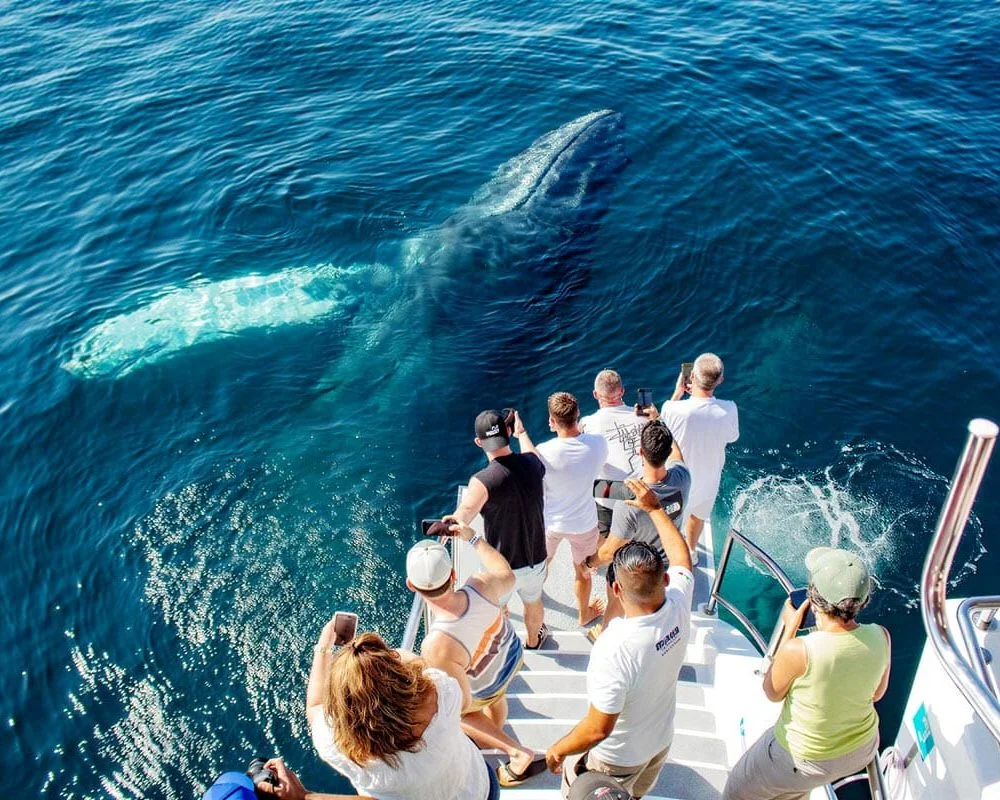
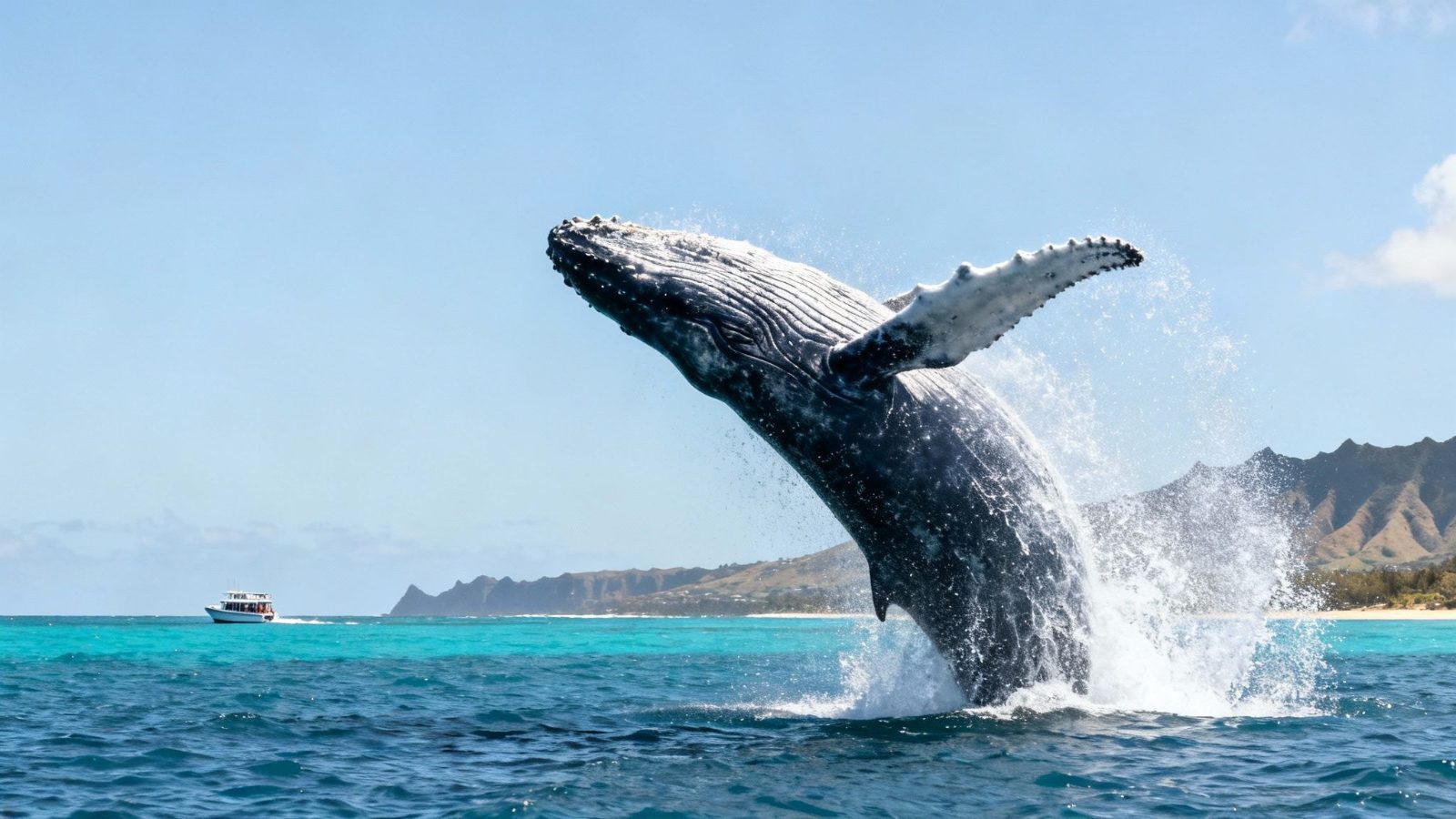
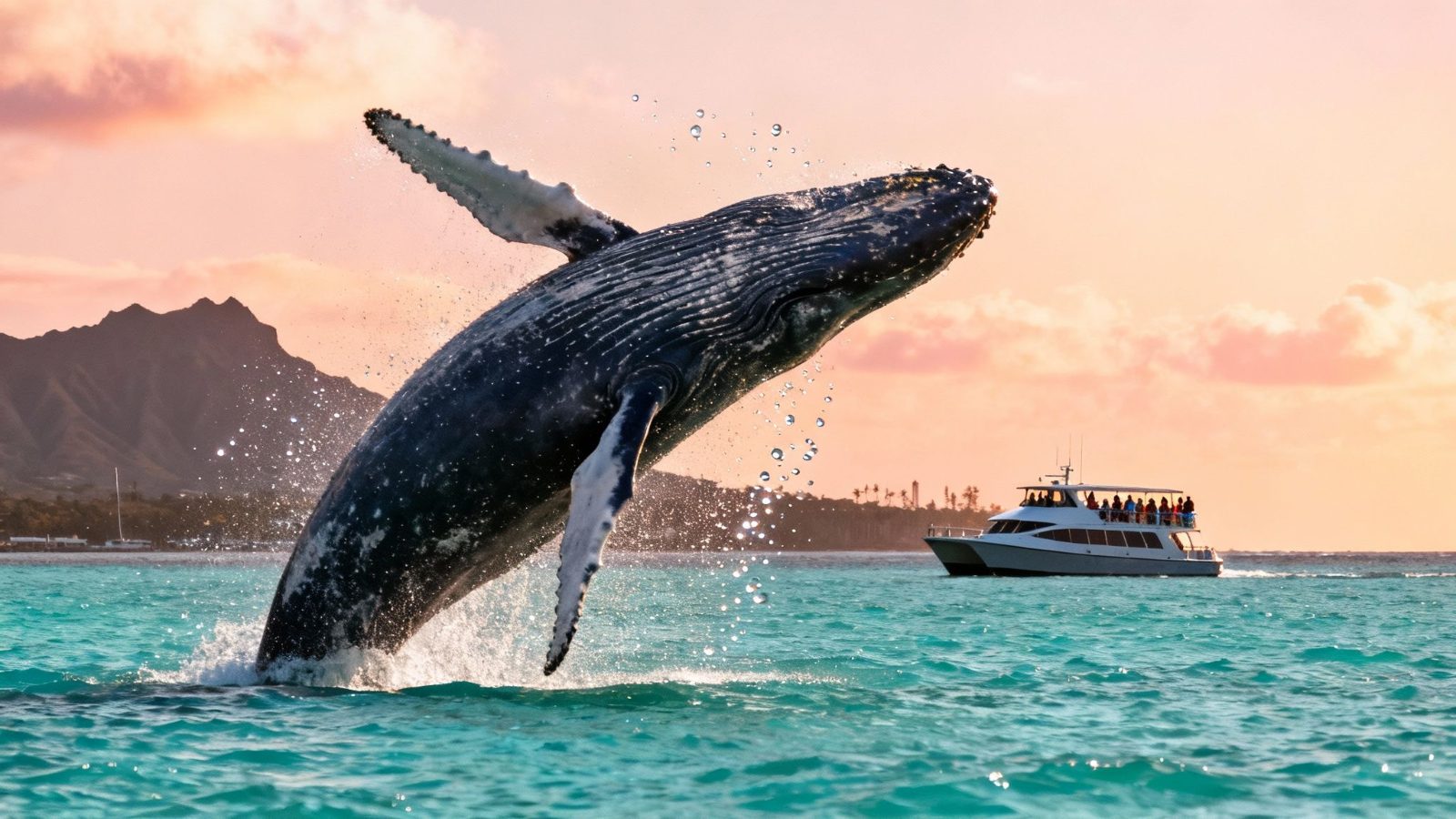
  • Humpback breaches and tail slaps from close range
  • Marine biologists explain whale behavior in real time
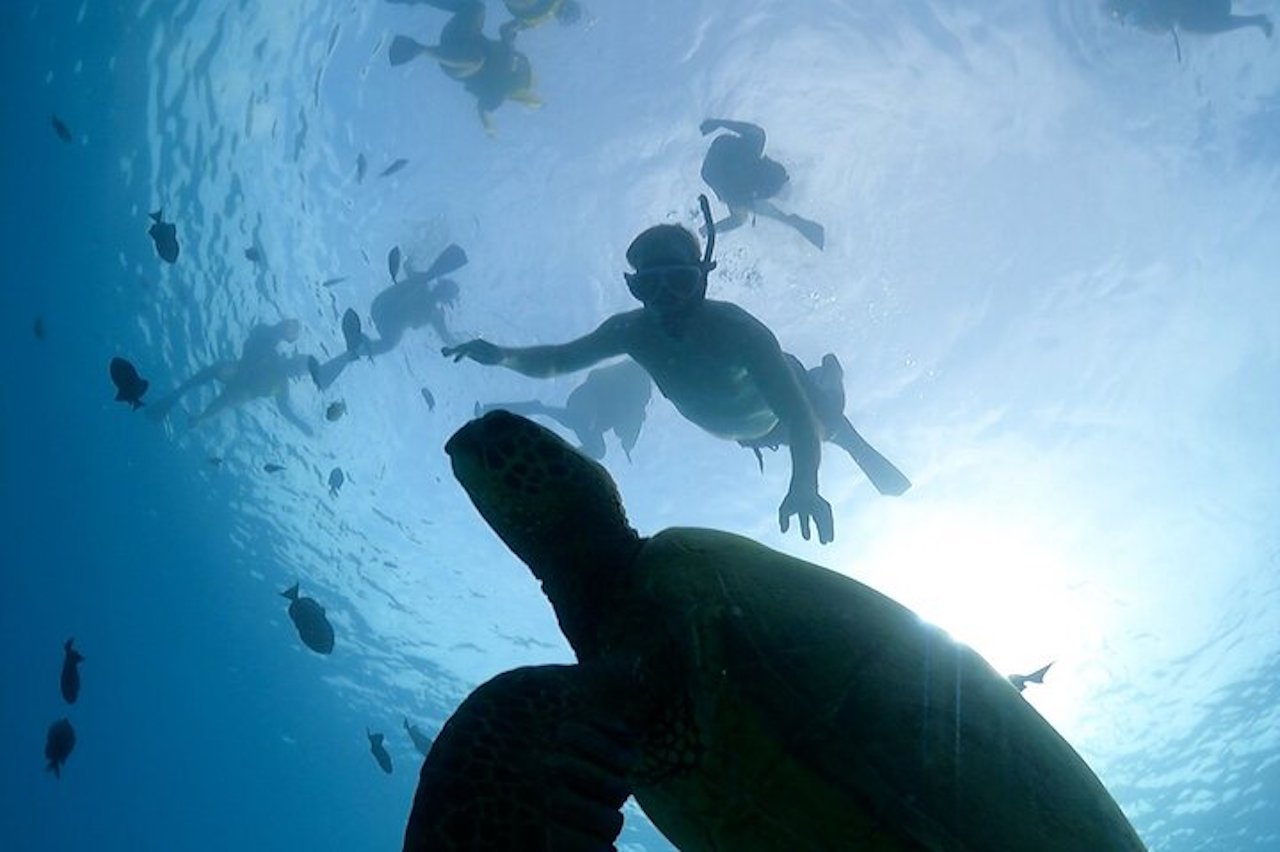
  • Catamaran tours combine snorkeling with turtle sightings
  • Early morning departures offer calmer seas
  • Multiple price tiers fit different budgets

Keep in mind

  • Completely seasonal—zero whales May through November
  • Rough ocean swells challenge weak stomachs
  • Tours don't guarantee sightings despite marketing
  • Premium options cost significantly more per hour

Bottom line: Book honolulu whale watching tour tickets for winter visits only—the seasonal spectacle justifies the cost when humpbacks are actually present.

Head to head

Honolulu Whale Watching Tour vs. General Sightseeing Cruises: Which to Choose

They complement each other; most visitors who do both find the dedicated honolulu whale watching tour more specialized for marine observation, while sightseeing cruises offer a broader coastal experience. Selecting the right honolulu whale watching tour tours depends on whether your priority is spotting humpback whales or general ocean recreation.

Top pick
Whale Watching Tour
Sightseeing & Snorkeling
Primary Focus Snorkeling and coastal landmarks
Seasonal Availability Available year-round
Likelihood of Wildlife Interaction Moderate for reef fish
Activity Level High — active swimming
Vessel Type Commercial boat or catamaran
Departure Location Kewalo Basin Harbor

Verdict: If you are visiting during winter, the honolulu whale watching tour tickets provide a focused encounter with migratory species, whereas sightseeing cruises are better for guests seeking active water sports throughout the year.

Featured Experiences

Popular Honolulu Whale Watching tours & activities

Hand-picked experiences loved by thousands of travelers

Recommended Experience

Powered by GetYourGuide

Another traveler favorite

Powered by GetYourGuide
Waikiki Humpback Whale Watching Catamaran Cruise 2 hours Free Cancellation

Waikiki Humpback Whale Watching Catamaran Cruise

Set sail from Waikiki on a 2-hour ocean journey to observe humpback whales in Hawaiian waters

4.1 (53)
FromFrom $53.31
See details
Waikiki Humpback Whale Watching Cruise with Snacks & Hula 2 hours Free Cancellation

Waikiki Humpback Whale Watching Cruise with Snacks & Hula

Witness magnificent humpback whales from a luxurious vessel while enjoying traditional Hawaiian hospitality

4.9 (13)
FromFrom $100
See details
Waikiki Morning Whale Watching Sail 2 hours Free Cancellation

Waikiki Morning Whale Watching Sail

Watch humpback whales breach and play off Oahu's coast aboard a spacious catamaran with drinks included

4.4 (119)
FromFrom €85.25
See details
West Oahu Whale Watching Afternoon Cruise 2 hours Free Cancellation

West Oahu Whale Watching Afternoon Cruise

Sail the stunning Waianae coast and witness humpback whales in action with expert commentary onboard

4.6 (42)
FromFrom €76.63
See details
Waikiki Catamaran Snorkeling with Sea Turtles 2 hours Free Cancellation

Waikiki Catamaran Snorkeling with Sea Turtles

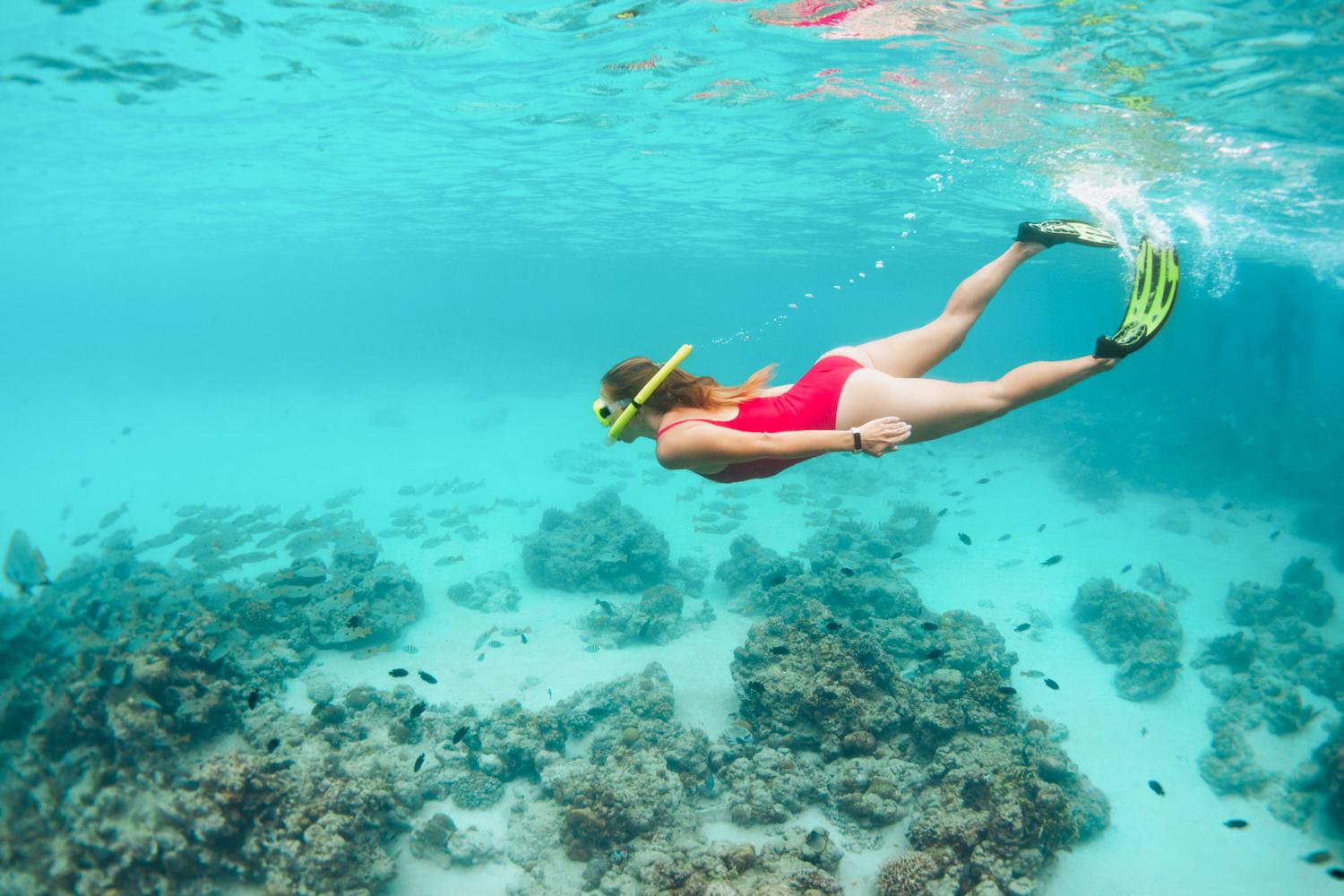
Sail a distinctive pink-sailed catamaran and snorkel among green sea turtles in Waikiki's pristine waters

4.7 (358)
FromFrom €72.95
See details
West Coast Dolphin Encounter & Snorkel Adventure 3 hours Free Cancellation

West Coast Dolphin Encounter & Snorkel Adventure

Three-hour ocean journey combining wild dolphin sightings, reef snorkeling, and Hawaiian traditions

4.8 (103)
FromFrom €163.6
See details
West Oahu Dolphin & Turtle Snorkel Cruise with Lunch 3 hours Free Cancellation

West Oahu Dolphin & Turtle Snorkel Cruise with Lunch

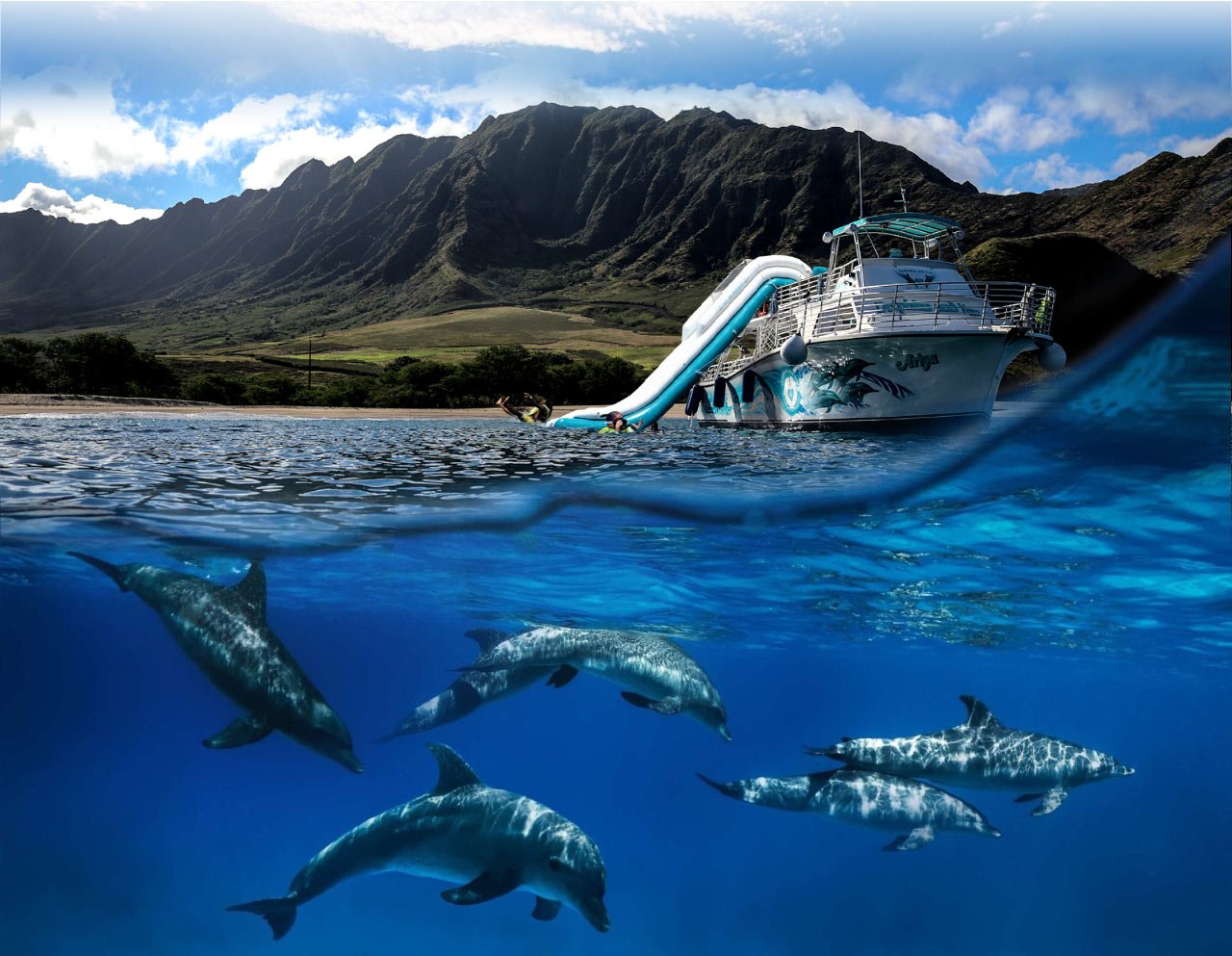
Three-hour coastal sail with guaranteed dolphin encounters, turtle snorkeling, island lunch & premium bar

4.6 (155)
FromFrom €119.69
See details
Waikiki Sunset Dinner Cruise with Hawaiian Show 2-3.5 hours Free Cancellation

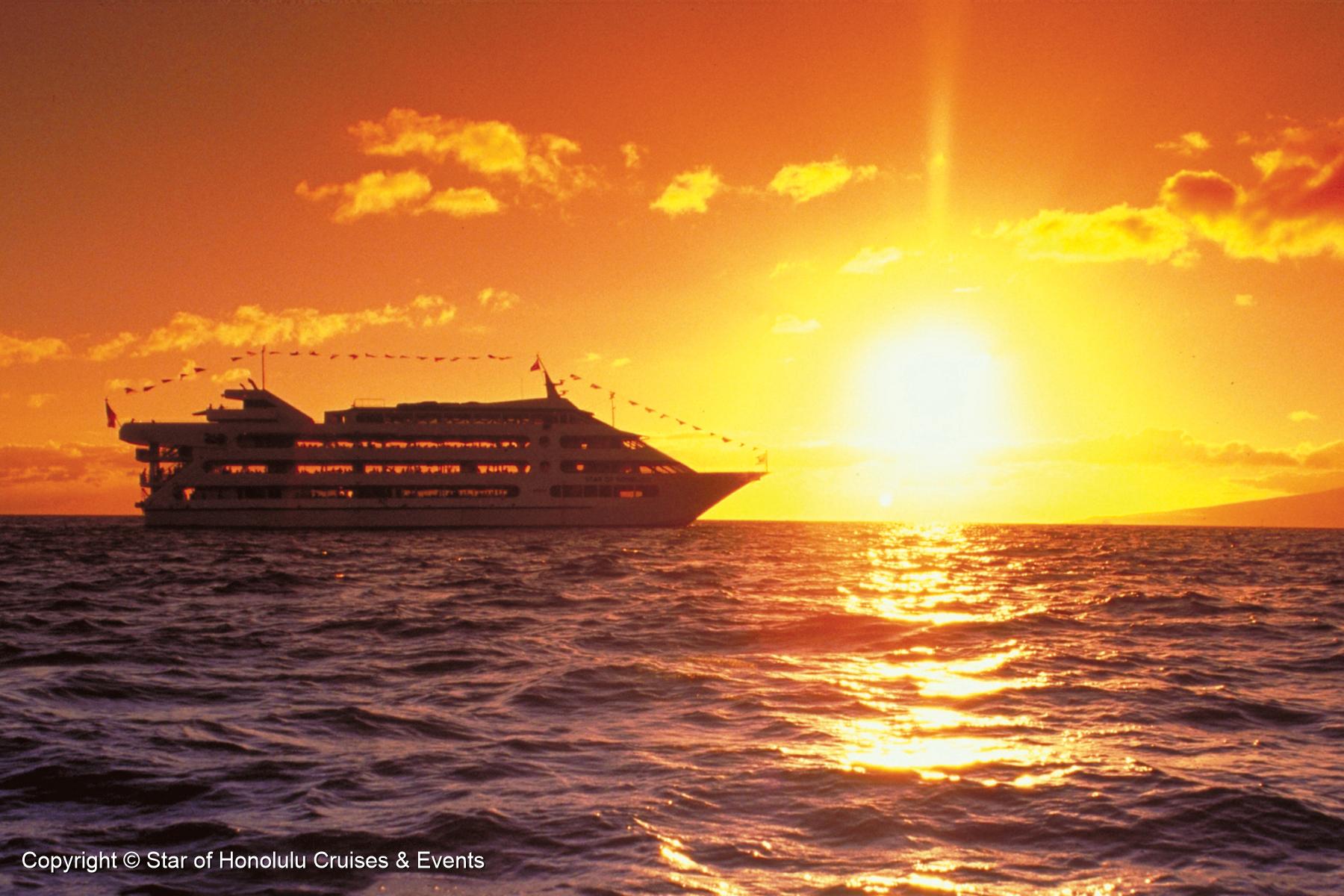
Waikiki Sunset Dinner Cruise with Hawaiian Show

Evening sailing featuring five-course steak and lobster meal, live entertainment, and coastal vistas

4.3 (66)
FromFrom €166.19
See details
What you'll see

What you'll see at Honolulu Whale Watching

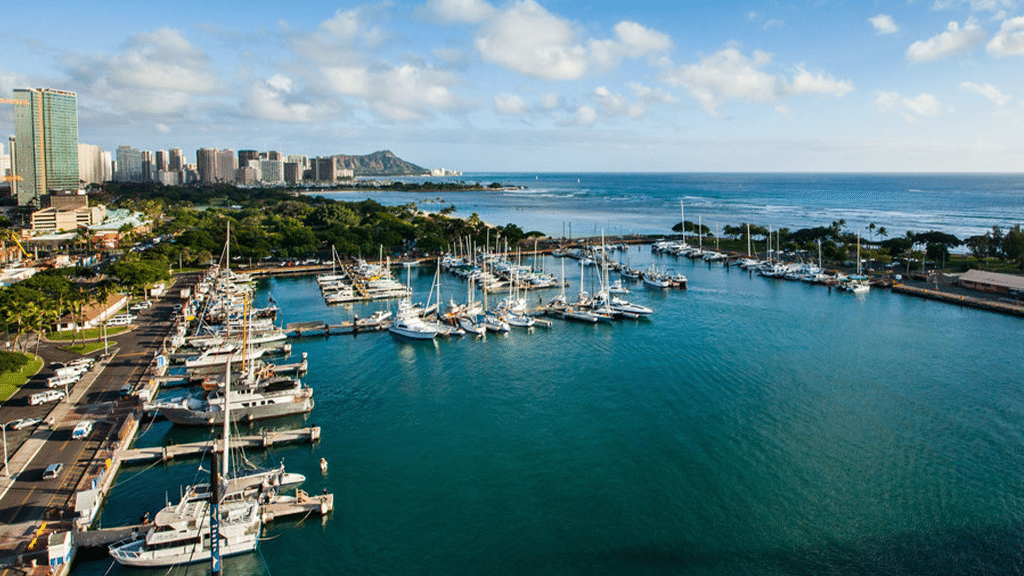
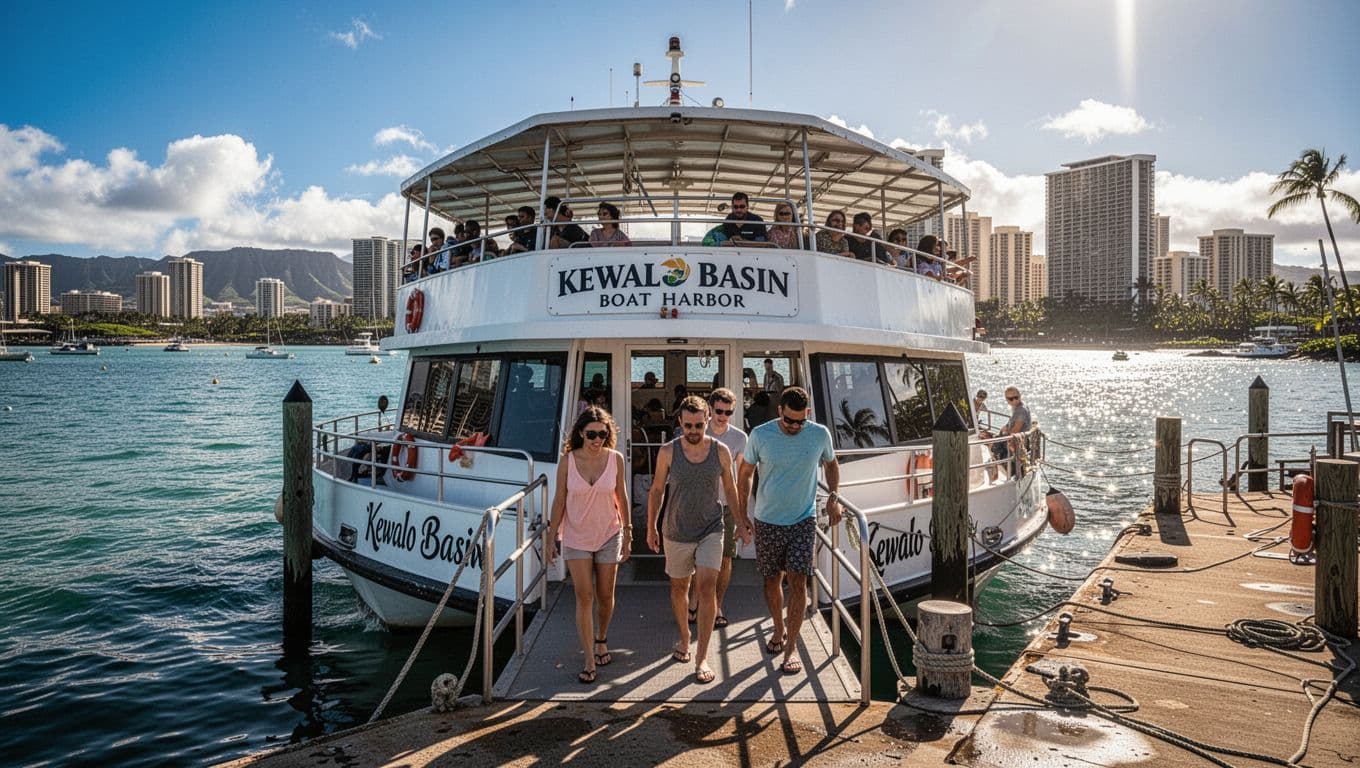
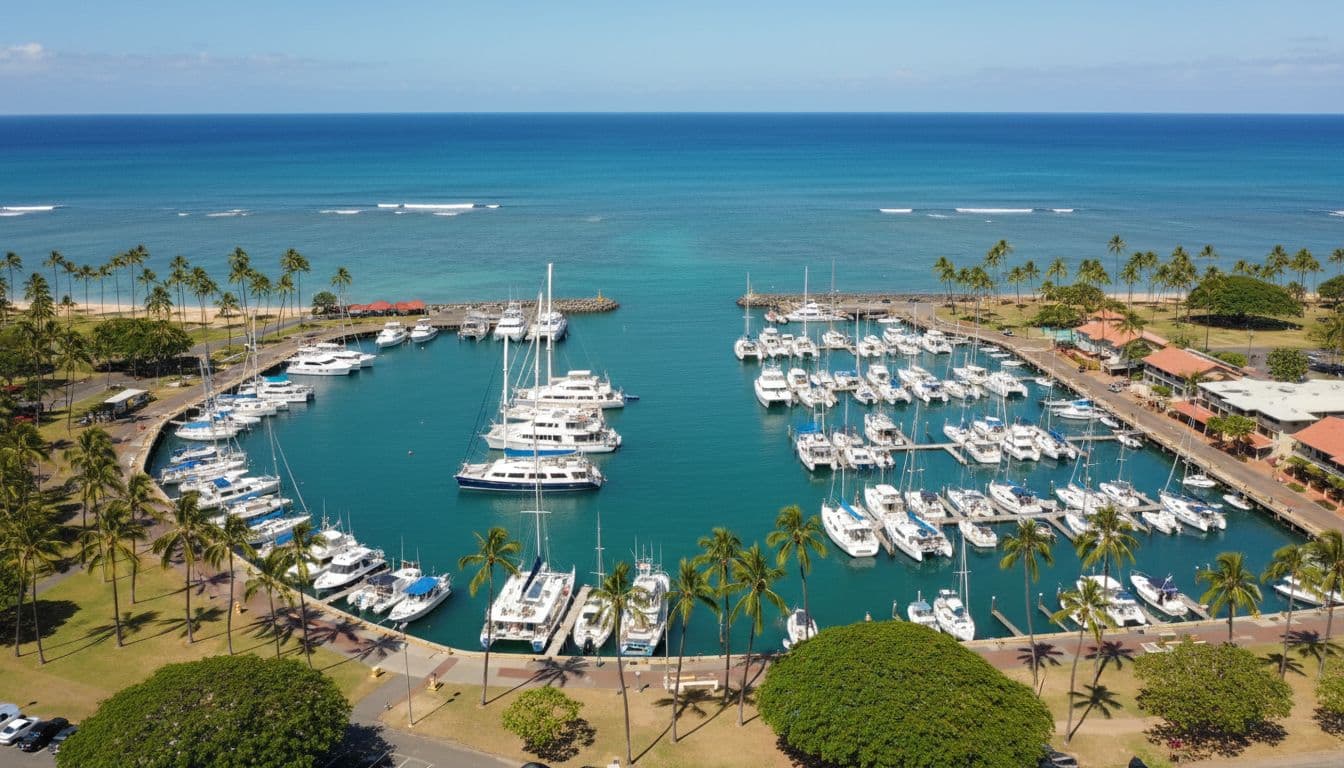
Kewalo Basin Docks

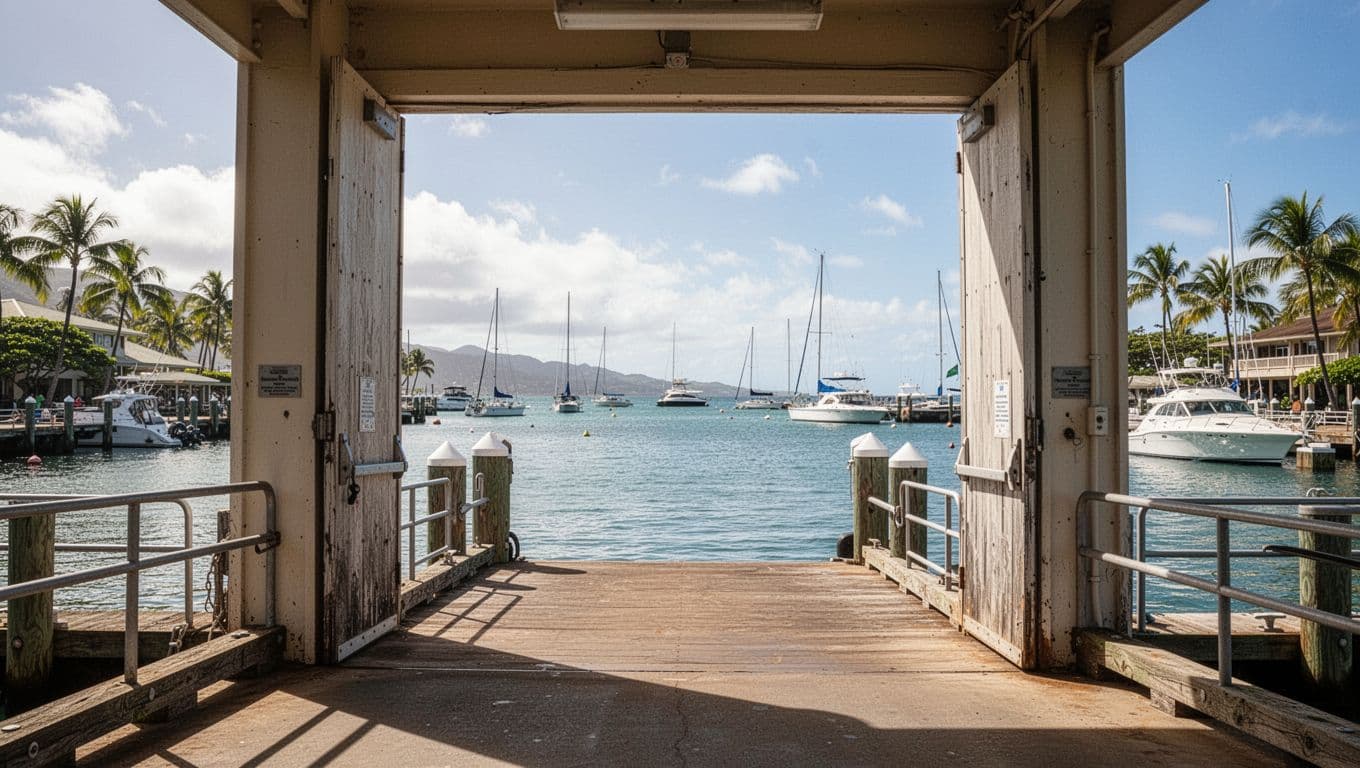
Kewalo Basin Docks

The central launch point for most vessels where you can observe harbor activity before departing on your honolulu whale watching tour.

Marine Life Observation Deck

Marine Life Observation Deck

Designated areas on deck provide optimal vantage points for spotting humpback whales during the winter migration season.

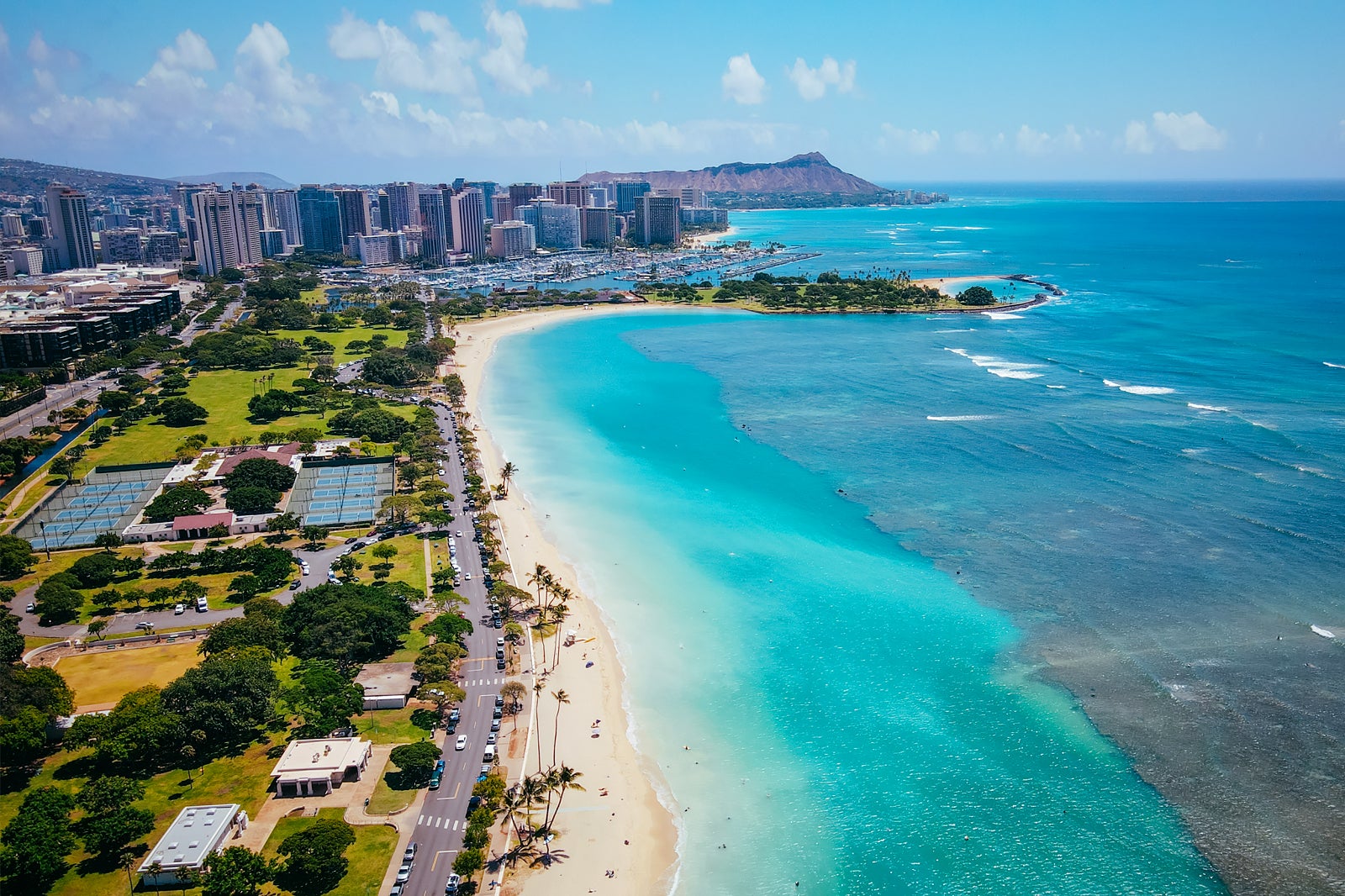
Ala Moana Shoreline View

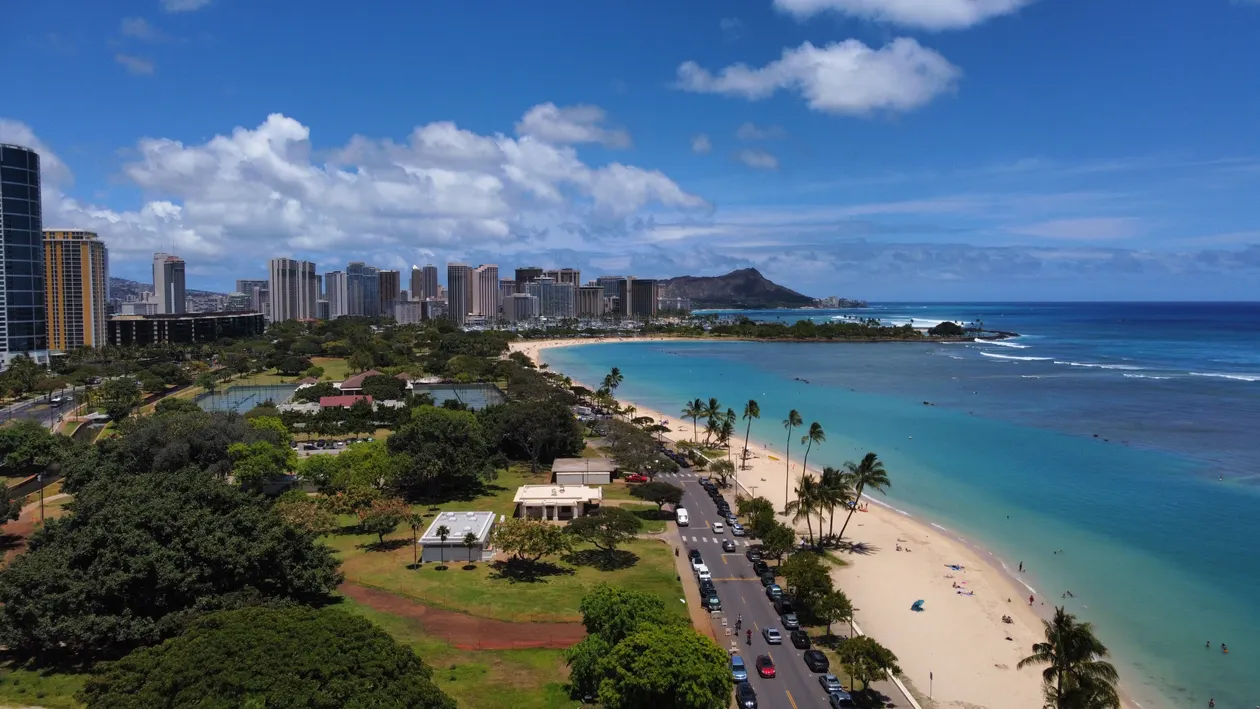
Ala Moana Shoreline View

Witness the striking silhouette of the Honolulu coastline as you exit the harbor on your honolulu whale watching tour.

Kewalo Basin Entrance

Kewalo Basin Entrance

The channel entrance offers views of the surfers and reef breaks often seen during the start of a honolulu whale watching tour.

Marine Research Station

Marine Research Station

Local researchers sometimes provide commentary on whale behavior from these harbor facilities.

The experience

What visiting Honolulu Whale Watching is really like

You arrive at Kewalo Basin Harbor shortly after sunrise, when the fleet is preparing for the day's first departures. The harbor smells of diesel and salt, with riggers checking lines and deckhands loading coolers onto stabilized catamarans.

Read more Show less

You board a twin-hulled vessel with bench seating along the railings and a shaded cabin amidships. The captain briefs you on sanctuary approach rules as the boat clears the harbor breakwater, turning west toward the deeper channels off Waikiki.

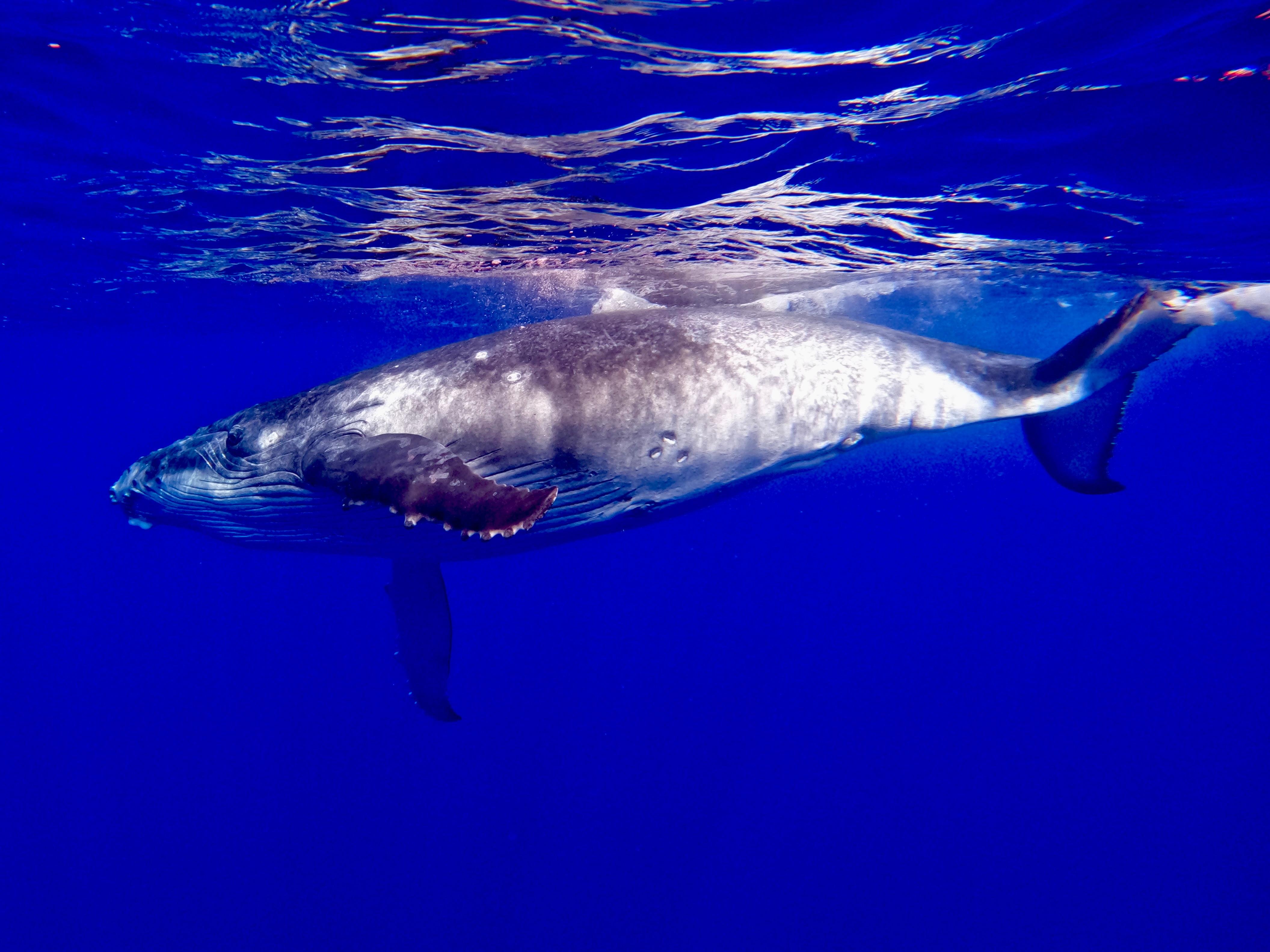
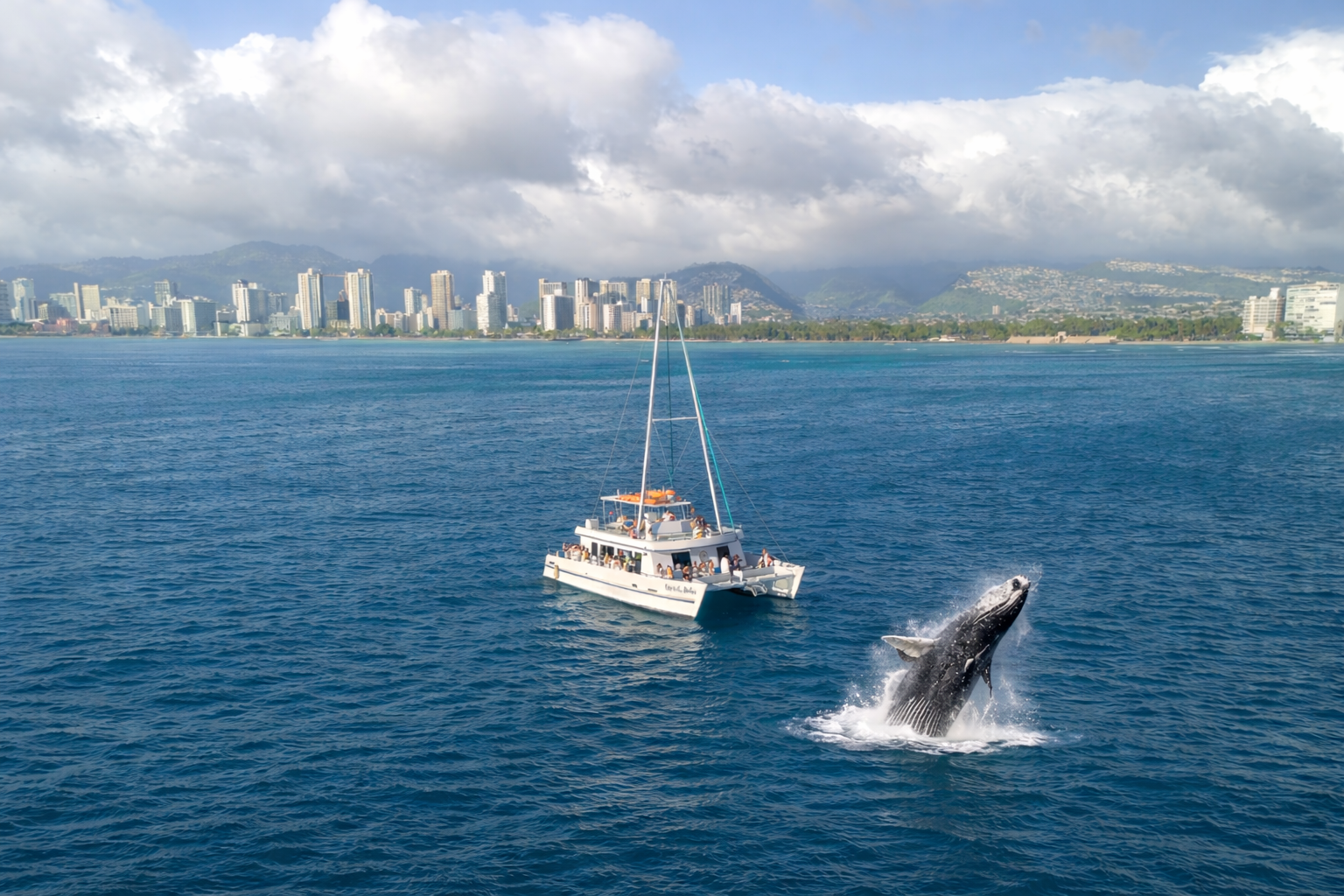
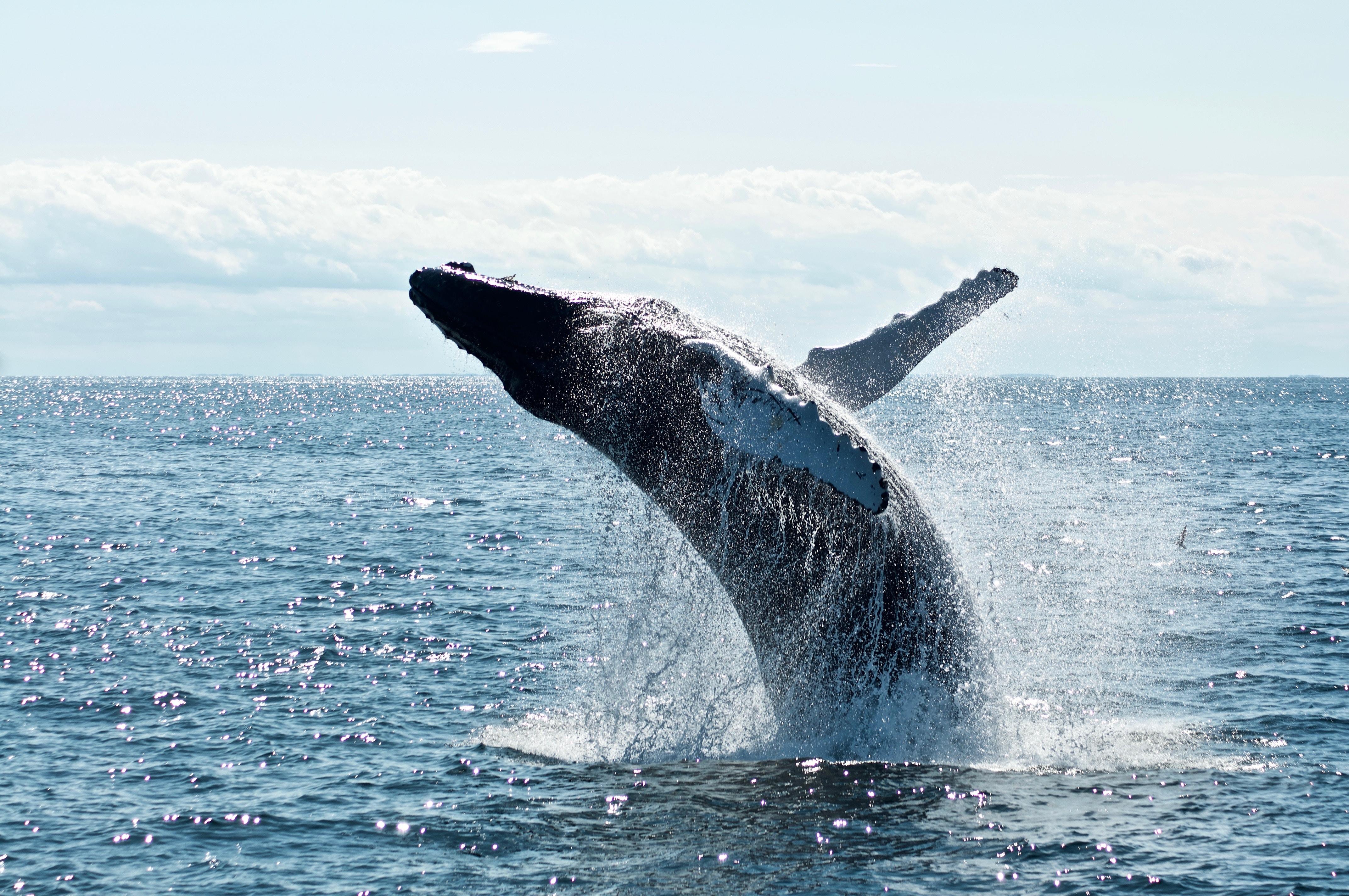
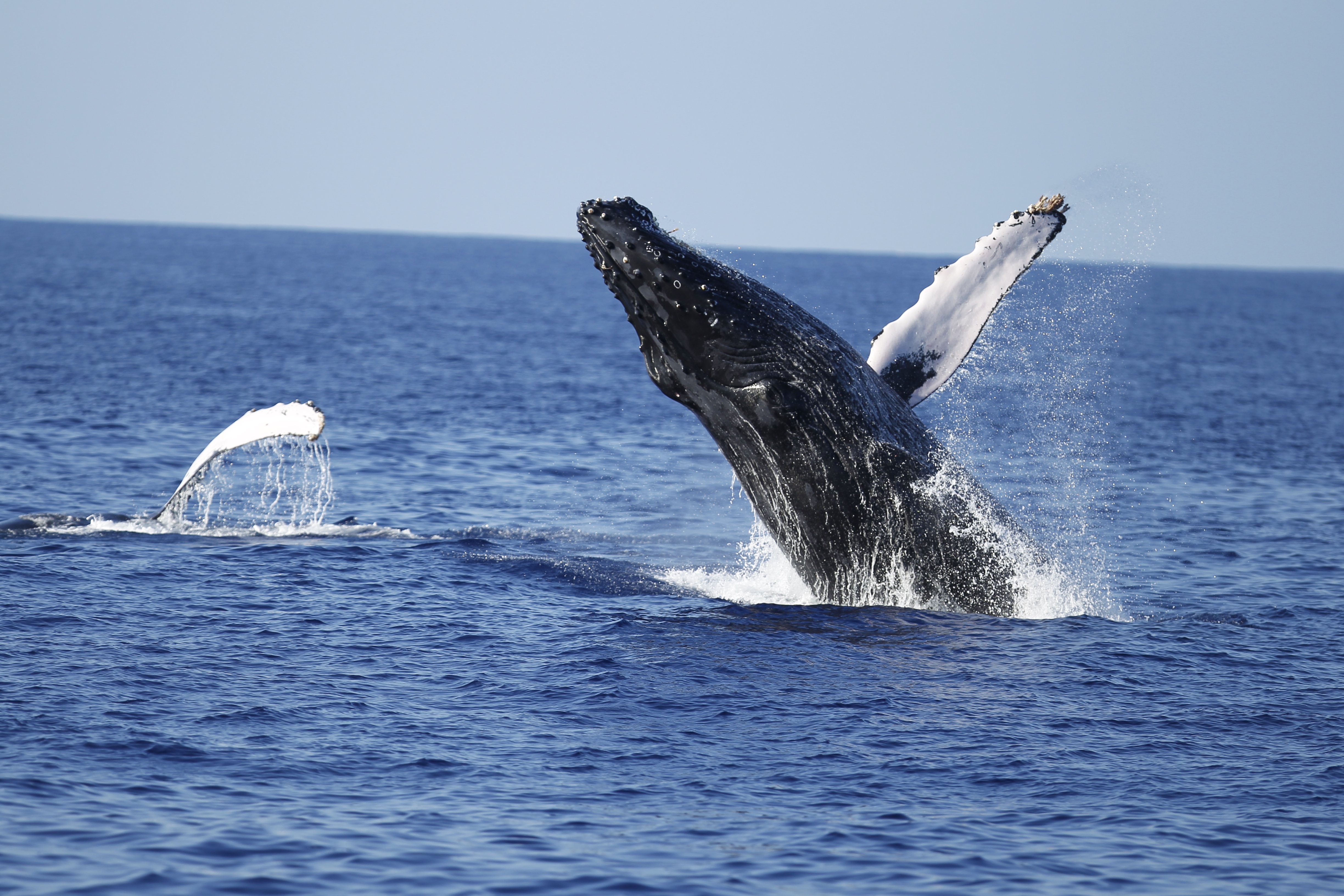
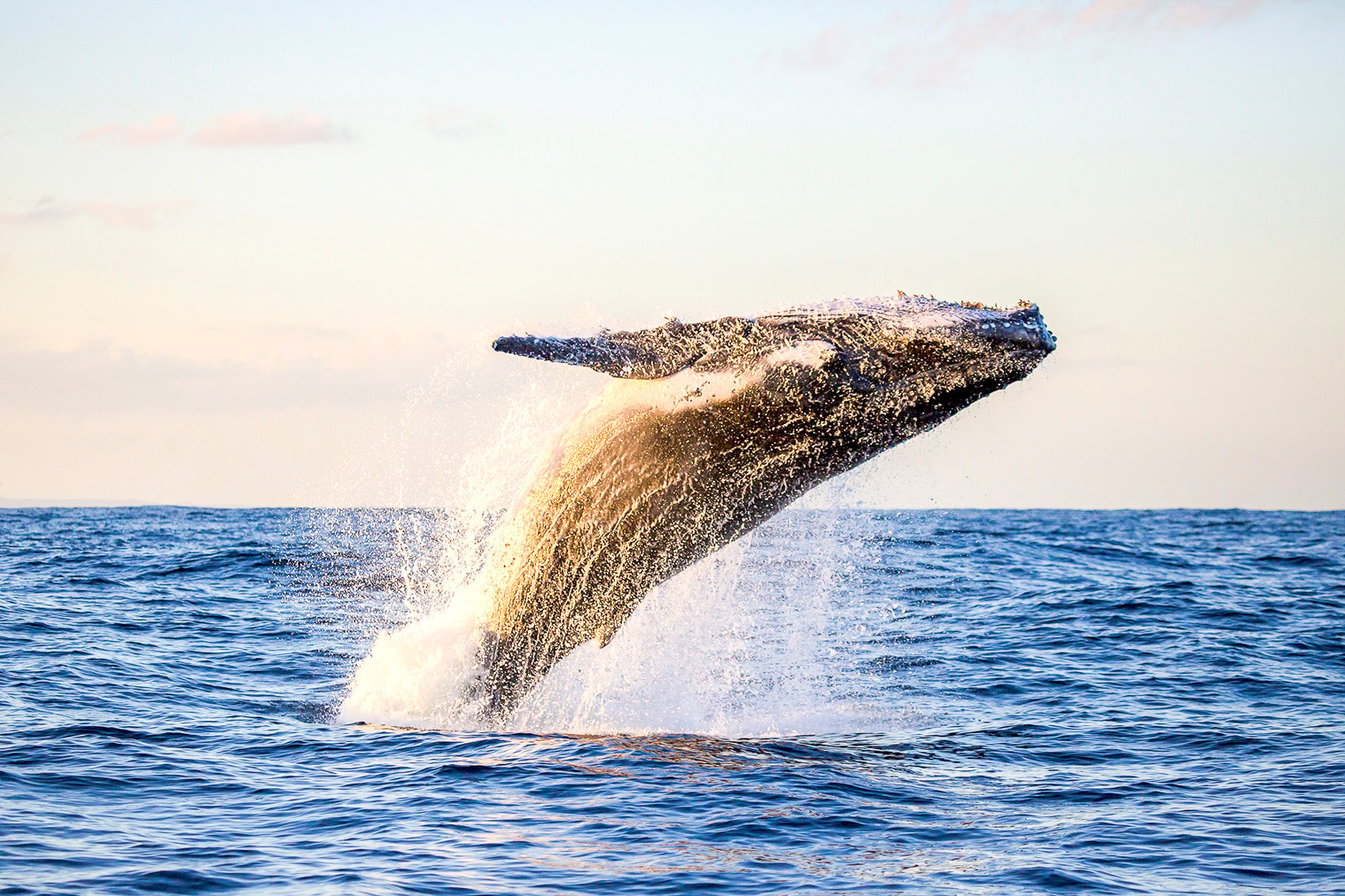
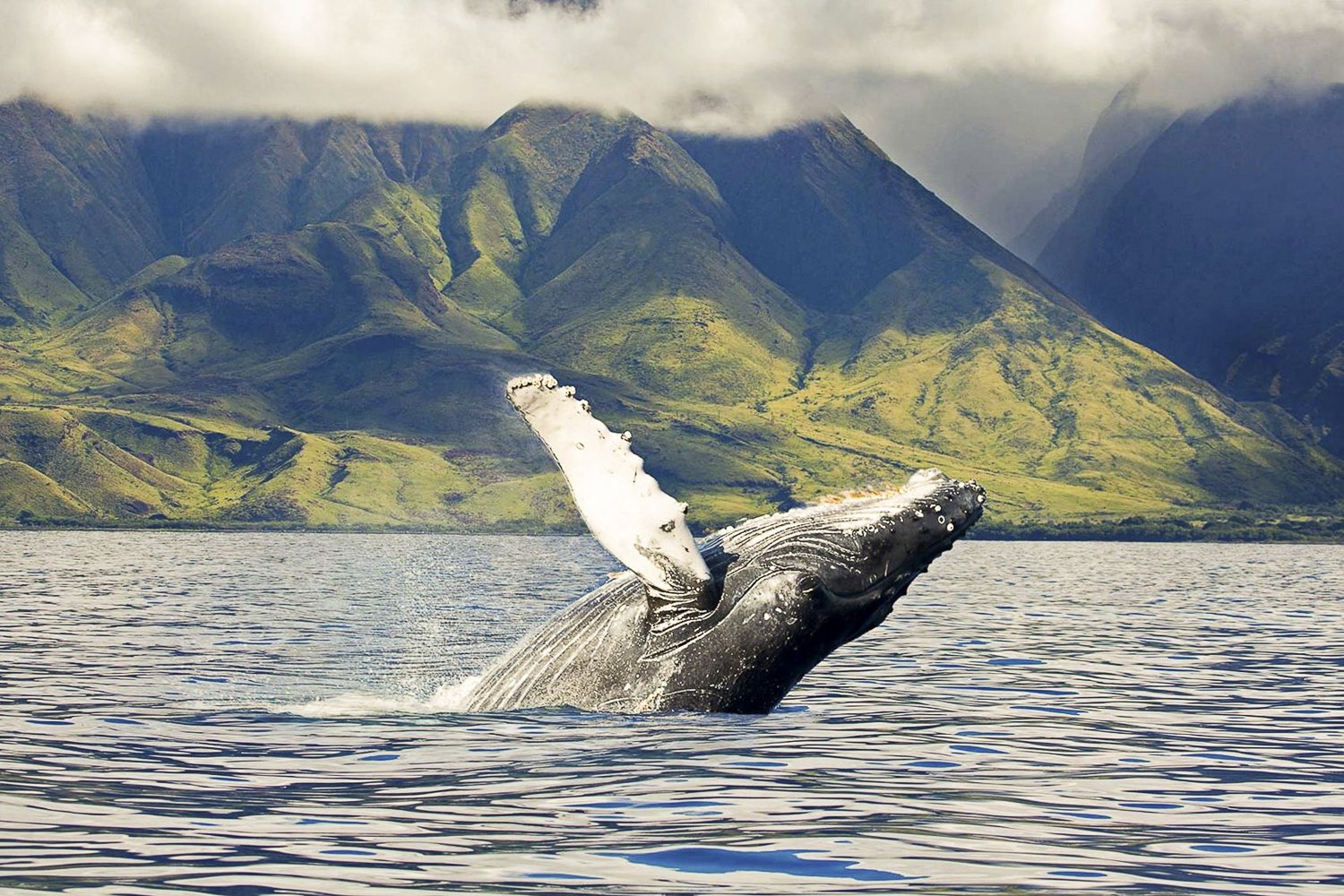
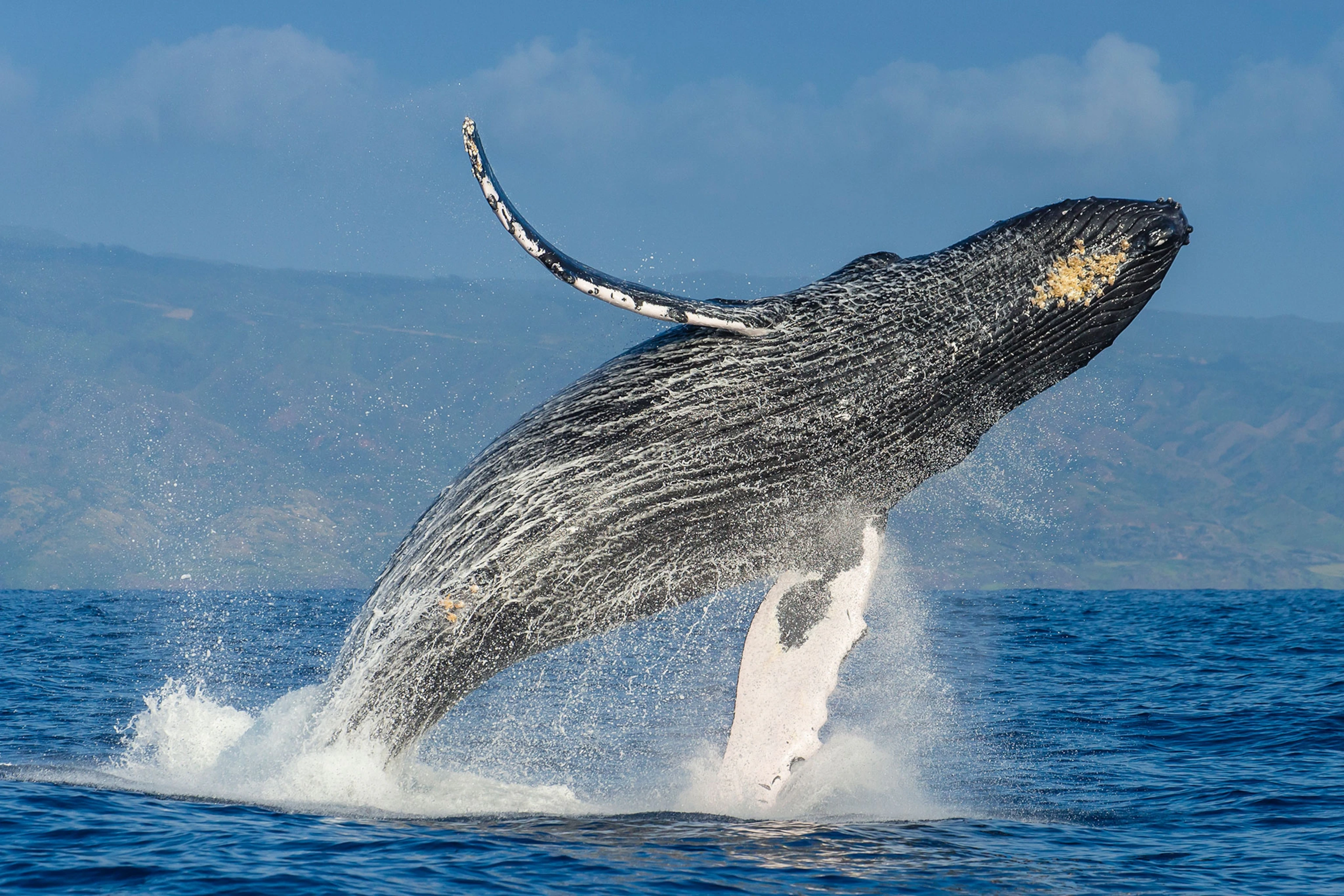
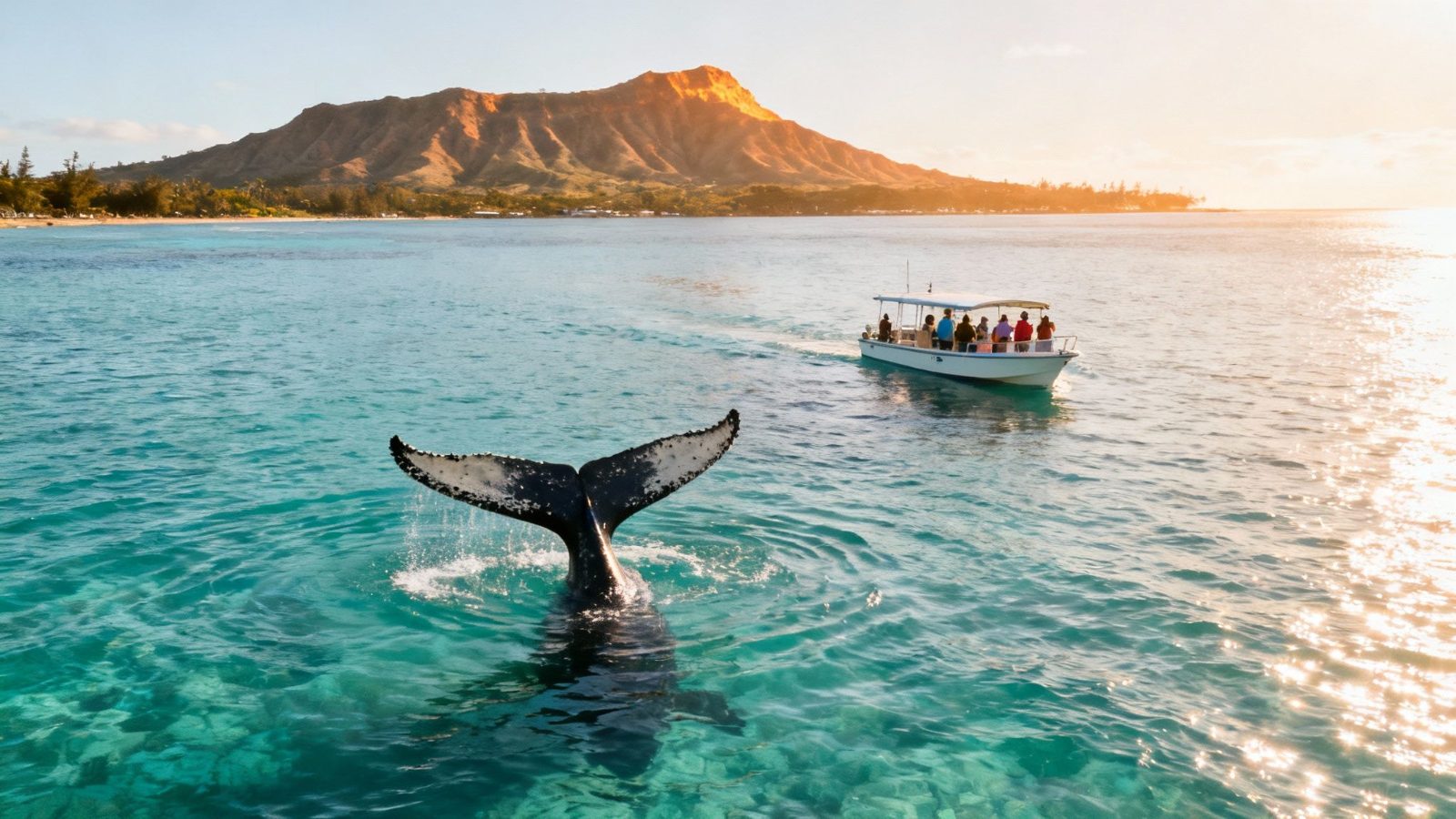
Twenty minutes offshore, the naturalist spots a blow—a vertical plume of mist rising three hundred yards to starboard. The engines cut to idle as a forty-ton humpback surfaces, its barnacle-encrusted head breaking the water in a slow roll. The whale exhales twice more before lifting its massive fluke skyward and diving. You scan the horizon as the guide explains fluke identification, each whale's tail pattern as unique as a fingerprint. A second whale breaches a quarter-mile ahead, its entire body clearing the surface before crashing back in an explosion of white water.

You move between the bow and stern as sightings accumulate—a mother and calf pair logging at the surface, a competitive pod of three males jostling for position, a lone singer whose haunting vocalizations the crew plays through a hydrophone speaker. The return crossing takes forty minutes, the Honolulu skyline growing sharper as you pass Diamond Head's volcanic profile.

Honolulu Whale Watching Tour
Everything You Need to Know

Your complete Honolulu Whale Watching guide

All the details about your upcoming adventure in one place

Between November and May each year, approximately 10,000 North Pacific humpback whales migrate 3,000 miles from Alaskan feeding grounds to the warm Hawaiian archipelago to mate, calve, and nurse their young.

The narrow channels between Oahu, Maui, Molokai, and Lanai create shallow protected waters that serve as the species' primary winter nursery in the central Pacific. Honolulu's position on Oahu's southern coast places it at the heart of this seasonal congregation, with Kewalo Basin Harbor functioning as the capital's primary departure point for marine observation since the early 1980s.

The humpback population that winters in Hawaiian waters represents one of the most studied baleen whale populations on Earth. Federal protections established under the Marine Mammal Protection Act of 1972 and the Endangered Species Act reversed decades of commercial whaling pressure, allowing the Hawaiian population to rebound from fewer than 1,400 individuals in the late 1960s to current estimates exceeding 11,000. The Hawaiian Islands Humpback Whale National Marine Sanctuary, designated in 1992, encompasses 1,400 square miles of ocean surrounding the main islands. Sanctuary regulations mandate 100-yard approach distances for vessels, creating standardized observation protocols that balance tourism access with species conservation.

Kewalo Basin itself evolved from a 1920s dredging project designed to create a small-boat harbor for Honolulu's commercial fishing fleet. The harbor's protected entrance and proximity to deep-water channels made it an ideal staging point for recreational ocean charters starting in the 1970s. Today the basin hosts more than thirty licensed tour operators offering whale watching excursions during peak season, alongside dolphin encounters, snorkeling trips, and sunset sails year-round. Most Honolulu whale watching tour departures occur between 8am and 10am, when calmer morning seas improve visibility and whale surface activity tends to peak.

Catamaran platforms dominate the local fleet due to their stability and deck space, though glass-bottom vessels offer submerged viewing options when whales dive beneath the surface. Naturalist guides trained through partnerships with the National Oceanic and Atmospheric Administration accompany most cruises, providing real-time identification of individual whales based on fluke patterns and behavioral displays. Breach frequency varies throughout the season—adult males perform more surface-active behaviors during early-season competitive displays, while mother-calf pairs dominate late-season sightings from March onward.

Federal protections reversed decades of commercial pressure, allowing the Hawaiian humpback population to rebound from fewer than 1,400 individuals to current estimates exceeding 11,000.

Dress code

Wear comfortable, non-slip footwear and bring a light jacket as ocean temperatures can be cooler.

Bags & security

Keep personal belongings in a small, waterproof bag to protect against ocean spray.

Photography

Bring a camera with a zoom lens to capture marine life from a respectful, legal distance.

Families & strollers

Children must be supervised at all times while on the docks and during the boat transit.

Accessibility

Not all vessels used for a honolulu whale watching tour are ADA compliant, so call ahead to verify boarding ramps.

Food & drink

Check if your chosen honolulu whale watching tour includes snacks; otherwise, bring bottled water and light refreshments.

Not allowed

× Drones × Alcohol × Glass containers × Large suitcases × Weapons × Illegal substances × Smoking materials × Fishing gear × Tripods

What to bring

✓ Sunscreen ✓ Sunglasses ✓ Hat ✓ Camera ✓ Waterproof bag ✓ Light jacket ✓ Motion sickness medication

Opening hours

Mon 08:00–17:00
Tue 08:00–17:00
Wed 08:00–17:00
Thu 08:00–17:00
Fri 08:00–17:00
Sat 08:00–17:00
Sun 08:00–17:00

How to get there

At a glance

Opening Hours

08:00–17:00

Address

Kewalo Basin Harbor, 1125 Ala Moana Blvd, Honolulu, HI 96814

Wheelchair Access

Variable by vessel; verify with your specific operator.

Arrival

08:00–10:00 for the best honolulu whale watching tour conditions.

Storage

Limited storage on vessels; bring only essentials.

Navigation

Kewalo Basin Harbor is located near the Ala Moana shopping area.

Cancellation policy

Tours typically offer full refunds if cancelled at least 24 to 48 hours in advance. Entrance fees are 0 USD, but private tour operators enforce their own booking terms.

Plan your time

Planning Your Honolulu Whale Watching Tour: Timing and Duration

Recommended time

3-4 hours

A typical honolulu whale watching tour takes about three to four hours, providing sufficient time for transit from Kewalo Basin Harbor to open waters. Visitors should prioritize the 08:00–10:00 arrival window, as early morning departures offer calmer seas and better visibility for whale sightings. Guests securing honolulu whale watching tour tickets for later in the day may encounter increased harbor activity while boarding their marine excursion. Those booking multiple honolulu whale watching tour tours should factor in additional buffer time for boarding procedures and vessel departure protocols.

Crowd levels through the day

08:00–10:00 Light
10:00–12:00 Moderate
12:00–14:00 Heavy
14:00–16:00 Moderate
16:00–17:00 Light
The story

The history of Honolulu Whale Watching

Commercial whale watching emerged in Hawaiian waters during the early 1970s, when marine biologists and tour operators on Maui first recognized the economic potential of North Pacific humpback whale migrations. By 1975, small boat operators in Lahaina were offering dedicated winter excursions to observe these marine mammals. The practice spread to Oahu by 1979, when charter captains departing from Kewalo Basin began experimenting with seasonal honolulu whale watching tour departures between December and April. Early operations faced minimal regulation, with boats often approaching whales within dangerous proximity. Federal intervention arrived in 1982 when Congress designated the Hawaiian Islands Humpback Whale National Marine Sanctuary, imposing strict approach distances and vessel speed restrictions. Tour operators initially resisted the 100-yard minimum distance rule, arguing it would diminish customer satisfaction. The National Marine Fisheries Service began enforcement patrols in 1986, issuing citations that forced the industry to adopt spotter protocols and engine cutoff procedures. These restrictions paradoxically improved the honolulu whale watching tour experience, as calmer observation allowed whales to surface naturally rather than flee from engine noise. The humpback population rebounded dramatically after international whaling bans took effect. Scientists documented fewer than 800 individuals in Hawaiian waters during 1979 surveys. By 2006, researchers estimated the population had surged past 10,000 animals, creating reliable sightings that transformed whale watching from speculative adventure into predictable seasonal attraction. Modern honolulu whale watching tour tickets now guarantee sightings or offer return vouchers, a promise impossible before population recovery. Hydrophone technology introduced in the 1990s allowed passengers to hear whale songs underwater, adding acoustic depth to visual encounters. Climate shifts and ocean warming patterns since 2015 have altered migration timing slightly, with some whales arriving earlier in November and lingering into May, extending the traditional season.

1975

Maui operators launch Hawaii's first commercial whale watching excursions during winter humpback season.

1979

Charter boats from Kewalo Basin begin offering seasonal whale tours off Oahu's southern coast.

1982

Congress establishes Hawaiian Islands Humpback Whale National Marine Sanctuary with approach restrictions.

1986

Federal enforcement begins issuing citations for vessels violating 100-yard minimum distance rules.

1990s

Hydrophone systems allow passengers to hear whale songs, transforming the auditory experience aboard tours.

2006

Humpback population exceeds 10,000 in Hawaiian waters, enabling tour operators to guarantee sightings.

2015–present

Ocean warming alters migration patterns, with whales arriving earlier and extending seasonal presence.

Photo spots

Best photo spots at Honolulu Whale Watching

Kewalo Basin Harbor Main Pier

Kewalo Basin Harbor Main Pier

Best light · 08:00–10:00

Position yourself at the end of the central pier to capture the harbor backdrop as your vessel departs for the honolulu whale watching tour. This vantage point provides a clear view of the docked boats and the distant skyline.

Ala Moana Beach Park Shoreline

Ala Moana Beach Park Shoreline

Best light · Early morning

Walk to the edge of the park bordering the ocean to frame the departing tour vessels against the horizon of the Pacific. This location is ideal for capturing the scale of the boat as it heads out into deep water.

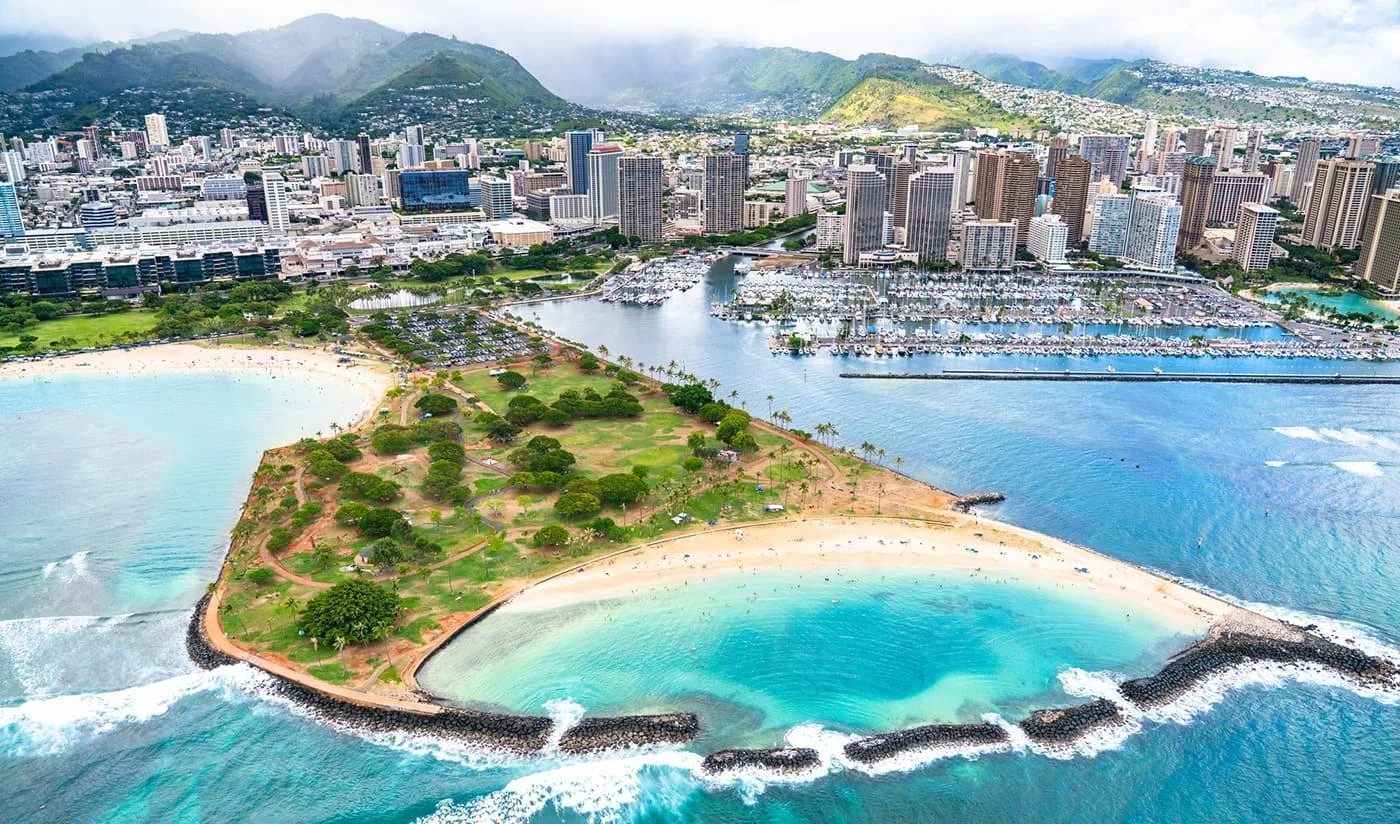
Magic Island Jetty

Magic Island Jetty

Best light · Before 09:00

Stand on the rock jetty to obtain a panoramic perspective of the coastline and the open sea. It is a preferred spot for photographers seeking to document a honolulu whale watching tour tour from the shore before the boat passes the horizon.

Kewalo Basin Harbor Entrance

Kewalo Basin Harbor Entrance

Best light · 08:00–09:00

Capture the moment of departure as vessels navigate through the harbor mouth. Use a telephoto lens here to isolate the boat against the breaking waves and mountainous backdrop.

Gallery

Moments from Honolulu Whale Watching

With kids

Family Logistics for Your Honolulu Whale Watching Tour

Bringing your children on a honolulu whale watching tour provides a unique opportunity to experience marine life in their natural habitat. Planning ahead ensures the experience remains comfortable and engaging for travelers of all ages.

Strollers

Kewalo Basin Harbor is accessible, but strollers must be left on the dock before boarding your Honolulu whale watching tour tours as most vessels have limited deck space for wheels. Collapsible strollers are recommended if you must bring one for the transit to the harbor.

Best ages

While most operators welcome all ages, school-aged children typically manage the open-ocean conditions of a Honolulu whale watching tour tour better than toddlers. Check specific operator policies regarding infant life jackets before booking your honolulu whale watching tour tickets.

Seasickness

Consult your pediatrician about motion sickness prevention well before your Hawaii marine excursion, as small children are often sensitive to boat movement. Choose a larger vessel to help minimize the roll of the waves during your time on the water.

Facilities

Most boats operating out of the harbor feature basic restroom facilities, though these are often small and difficult for young children to navigate independently. Use the facilities at the harbor entrance during the best arrival window of 08:00–10:00 to minimize mid-trip stress.

Pacing

Early morning departures offer calmer seas and better visibility for whale sightings, making these the preferred choice for families. Return to shore by midday to ensure children have plenty of time for rest after the excitement of the boat ride.

Food & drink

Where to Eat Near Your Honolulu Whale Watching Tour Departure

Dining options are concentrated just steps from Kewalo Basin Harbor, making it convenient to grab a meal before or after your honolulu whale watching tour. Most visitors find that grabbing a quick bite at the nearby Kakaako district eateries is the best way to fuel up for their ocean excursions.

Fisherman's Wharf

$15-30

Bistro — 2 min walk

This harborside spot offers fresh seafood and casual plates perfect for a pre-cruise meal. It is a local favorite for those seeking a relaxed atmosphere before boarding their honolulu whale watching tour tours.

FAQ

Honolulu Whale Watching — frequently asked questions

Everything you need to know for your journey

Ready for Adventure?

Join thousands of happy travelers who have discovered this incredible experience

Book Your Experience Now